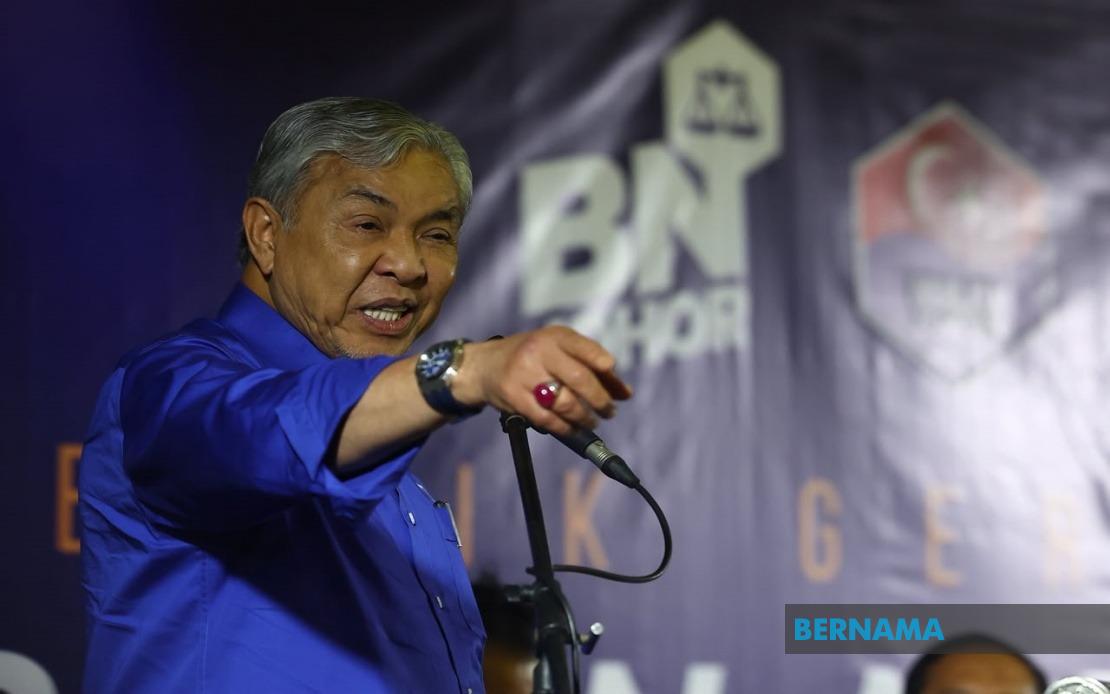
Malaysia's Cabinet has committed to a comprehensive review of both the e-invoice system and mandatory Employees Provident Fund contributions for foreign workers, responding to mounting concerns that these measures have become unduly burdensome for the business community during a period of global economic instability. Deputy Prime Minister Datuk Seri Dr Ahmad Zahid Hamidi announced the decision following a Cabinet meeting led by Prime Minister Datuk Seri Anwar Ibrahim in Johor Bahru on Monday, signalling a willingness to reconsider the timing and implementation approach of two significant fiscal policies.
The potential postponement of these measures represents a notable shift in regulatory direction and reflects growing pressure from business associations and coalition partners who argue that traders and employers are struggling under multiple compliance obligations. Ahmad Zahid noted that Barisan Nasional put forward the request for review, and credited Prime Minister Anwar Ibrahim and other Cabinet members for their receptiveness to the proposal. This cross-coalition support underscores the breadth of concern about the policies among Malaysia's entrepreneurial sector.
The e-invoice system became mandatory on August 1 last year as a cornerstone of the government's drive to modernise tax administration and ostensibly reduce compliance burdens on small and medium enterprises. However, the transition has proven problematic for many businesses, particularly those lacking sophisticated digital infrastructure or accounting systems. The Cabinet's willingness to reconsider suggests that implementation has faced friction beyond what authorities initially anticipated, with smaller traders finding the system technically demanding and costly to integrate into existing operations.
Parallel to the e-invoice complications, the mandatory two per cent Employee Provident Fund contribution for non-citizen workers that commenced from October's salary cycle has sparked separate grievances from employers. The measure was designed to extend social protection benefits to foreign workers while generating additional retirement savings. However, employers have argued that the additional payroll expense comes at a time when they face inflationary pressures, labour market uncertainties, and reduced consumer spending power across the region.
Ahmad Zahid framed the review within the context of current global economic challenges, particularly the instability emanating from geopolitical tensions in West Asia. These external pressures are constraining Malaysia's economic growth trajectory and affecting business confidence, particularly in export-oriented sectors. The government appears to be acknowledging that imposing new compliance costs and contributions during such uncertain times could exacerbate business closures and workforce reductions, particularly among small and medium enterprises that form the backbone of Malaysia's employment ecosystem.
The review process itself carries significant implications for Malaysia's tax compliance infrastructure and social security system. Any delay in e-invoice implementation could undermine the Inland Revenue Board's capacity to track transactions and detect tax evasion, potentially affecting government revenue forecasts. Similarly, postponing the foreign worker EPF contributions might necessitate alternative mechanisms to fund social protections or place the burden back on individual workers, creating a ripple effect through multiple sectors reliant on migrant labour, from manufacturing to hospitality.
Beyond the regulatory measures under review, Ahmad Zahid announced Cabinet approval for a ten-year extension of tax exemption status for Tunku Abdul Rahman University of Management and Technology. While technically a separate matter, the announcement demonstrates the government's approach to balancing coalition interests with broader policy objectives. The Deputy Prime Minister emphasised that despite the institution's historical association with the Malaysian Chinese Association, the extension benefits students from diverse political and ethnic backgrounds, including those from Democratic Action Party families and the Borneo states.
The tax exemption extension for TAR UMT comes with a caveat: the institution must continue submitting annual financial and audit reports to the Ministry of Finance, ensuring transparency and government oversight. This condition reflects the government's effort to maintain fiscal discipline while extending support to higher education providers that serve constituencies beyond their traditional political bases. The move signals a pragmatic approach to education policy that transcends partisan divisions, particularly important in Malaysia's increasingly complex political landscape.
For Malaysian businesses and foreign worker-dependent industries, the Cabinet's decision to review these measures offers temporary relief from implementation anxiety but does not guarantee postponement. The actual outcome of the review process remains uncertain, and enterprises must prepare contingency plans should the measures proceed as originally scheduled. The review period itself creates a window of policy uncertainty that could influence business investment decisions and hiring patterns in the coming months.
The government's receptiveness to these concerns suggests a broader recalibration of its approach to regulatory burdens during economic downturns. Rather than adhering rigidly to predetermined implementation timelines, policymakers appear willing to incorporate feedback from business stakeholders and recognise the cumulative impact of multiple concurrent policy changes. This flexibility, while administratively challenging, may ultimately strengthen policy outcomes by allowing more realistic implementation schedules and better-designed transition mechanisms.
Stakeholders including the Malaysian Employers Federation, small business associations, and multinational corporations with significant Malaysian operations are likely monitoring the review progress closely. The outcome could reshape Malaysia's competitive position for attracting foreign direct investment and maintaining workforce stability in labour-intensive sectors. Given the interconnected nature of Malaysia's economy with regional supply chains and ASEAN trade relationships, policy decisions affecting business costs and foreign worker employment have ramifications extending beyond domestic borders.

