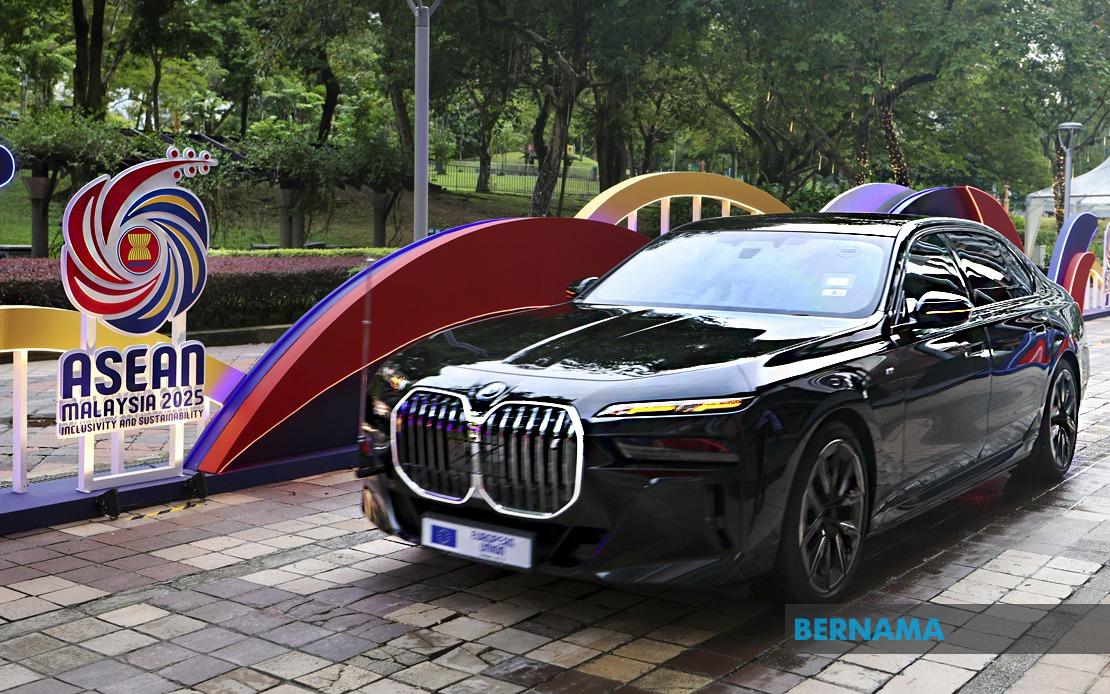
The Prime Minister's Department (JPM) and the Ceremonial and International Conference Secretariat Division (BIUPA) have moved to clarify the status of a luxury BMW vehicle that has attracted public attention in recent days, confirming that the automobile is part of Malaysia's existing government fleet rather than a newly acquired asset.
The clarification, issued via Facebook, addresses speculation and allegations that have circulated on social media regarding the ownership and procurement of the high-spec vehicle. According to JPM and BIUPA, the BMW falls under BIUPA's supervisory authority and has been designated specifically for Malaysia's official logistics requirements during diplomatic and state engagements.
The vehicle's primary function relates to international security protocols and established standards that govern the movement of heads of state and heads of government when they visit Malaysia. The asset exists within the government's operational framework to ensure that dignified and secure transport arrangements meet the expectations of international diplomatic practice. This distinction is important for Malaysian readers to understand, as it positions the vehicle not as an extravagance but as part of the country's infrastructure for hosting world leaders.
The automobile has been engineered to meet sophisticated security specifications that extend far beyond those of standard vehicles. It is equipped to withstand high-caliber ballistic threats, protect against explosive devices, and defend against contemporary security risks including drone-based threats. These features represent significant engineering and manufacturing investment, reflecting the escalating complexity of modern security environments that nations must navigate when protecting their leaders and international visitors.
According to the JPM and BIUPA statement, the Prime Minister's temporary use of this vehicle stems from a specific circumstance rather than a permanent change in his official transport arrangements. The Royal Malaysian Police (PDRM) conducted a security assessment and provided advice that prompted the temporary deployment of the BMW for the Prime Minister's movements. This professional assessment underscores the role of Malaysia's security apparatus in making practical determinations about protective measures.
The clarification explicitly notes that the Prime Minister's regular official vehicle, which was originally gifted by the Yang di-Pertuan Agong, is currently undergoing routine maintenance. The temporary nature of the arrangement is significant, as it suggests a standard operational decision rather than a policy shift regarding prime ministerial transportation. Regular maintenance of state vehicles is a normal administrative practice, though the timing coincided with heightened public curiosity about the BMW's deployment.
For Malaysian citizens and observers, this episode illustrates the technical and diplomatic considerations that underpin the movement of national leaders. The government's willingness to provide detailed explanation regarding the vehicle's status and purpose reflects an effort to maintain transparency about the assets and expenditures associated with the office of Prime Minister. Such clarifications help the public understand the difference between administrative necessities and discretionary spending.
The incident also highlights how social media speculation can rapidly amplify questions about government assets, making official responses necessary even for routine administrative matters. The JPM and BIUPA statement demonstrates an institutional recognition that public perception and factual clarity are both important dimensions of governance in the digital age.
From a regional perspective, Malaysia's emphasis on maintaining security infrastructure that meets international standards reflects the country's position as a host to significant diplomatic and international conferences. The existence of vehicles designed to international security specifications ensures that Malaysia can protect both domestic leaders and international visitors without placing undue burden on visiting delegations to provide their own transport security.
The security features described in the government statement—ballistic protection, anti-explosive specifications, and drone defense capabilities—represent the current state of executive protection globally. These requirements have evolved substantially over the past two decades as security threats have become more sophisticated and diverse. Malaysia's investment in such capabilities demonstrates commitment to maintaining standards consistent with other nations of similar regional standing and diplomatic importance.
The clarification also serves to remind the Malaysian public that government fleets support not only domestic operations but international obligations. When Malaysia hosts presidential or prime ministerial visits, the country's own vehicle assets become instruments of diplomatic protocol. The BMW, properly understood in this context, represents Malaysia's ability to honor international conventions and security standards rather than an example of improper expenditure.
This episode underscores a broader pattern in contemporary governance where technical and administrative matters increasingly require public explanation. The JPM and BIUPA response, by addressing the question directly and comprehensively, attempts to place the matter within its proper administrative and diplomatic framework. The emphasis on temporary status and maintenance schedules provides specificity that can help anchor public understanding against the more speculative claims that emerge on social platforms.
Moving forward, the incident may serve as a reference point for how Malaysian government agencies communicate about sensitive matters involving the Prime Minister's movements and assets. The balance between security confidentiality and public accountability remains delicate, and the JPM statement navigates this by providing sufficient detail to address the key factual questions without compromising operational security considerations.

