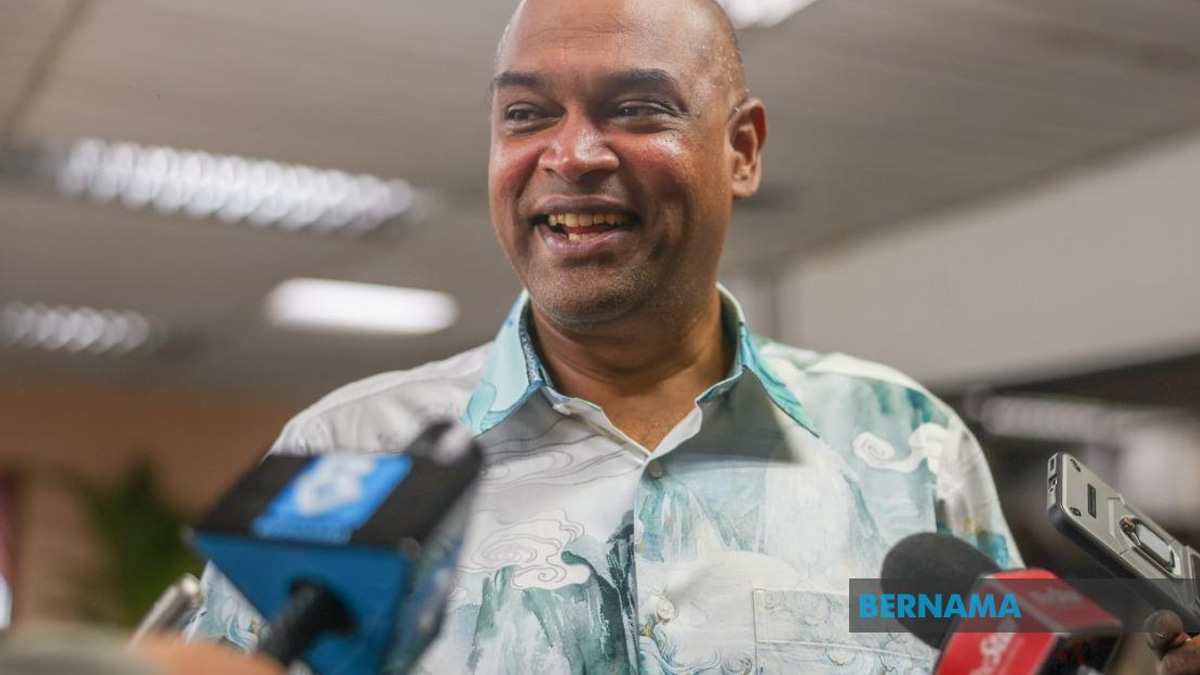
Parti Bersama Malaysia is set to reveal its full roster of candidates for the Johor state election at an event in Johor Bahru this Friday, party leader Datuk Seri Rafizi Ramli announced on Thursday evening. The timeline marks a critical juncture for the relatively new political party as it prepares to contest in the state polls scheduled for July 11, with nomination papers to be filed on June 27.
Rafizi, speaking at the Jelajah Kancil programme in Kota Bharu, confirmed that his party has completed the vetting phase for prospective candidates, though he refrained from specifying exactly how many seats Bersama intends to pursue in the election. This selective disclosure reflects a common strategy among emerging political formations, which often preserve strategic ambiguity regarding their electoral footprint until the final moment. The party's candidate announcement will provide clarity on the scale of its Johor ambitions and signal whether it plans a broad contest or a targeted approach focused on winnable constituencies.
The screening process itself has generated substantial interest, with the party receiving applications from more than 300 individuals since opening nominations just over a week prior. This figure underscores growing curiosity about Bersama's platform and its perceived prospects, particularly among aspiring politicians seeking alternative political vehicles in the competitive Malaysian landscape. The sheer volume of applicants suggests the party has managed to generate momentum and visibility despite its infant status in Malaysian electoral politics.
All candidates underwent a rigorous evaluation framework that extended beyond basic administrative requirements. Applicants were obliged to complete mandatory documentation and participate in formal interviews that incorporated standardised and personalised questioning. The interview protocol specifically included random questions designed to probe candidates' personal backgrounds and professional experience, a methodical approach intended to assess suitability beyond partisan loyalty or factional connections. Such thorough vetting signals Bersama's determination to project competence and integrity as it builds its organisational credibility.
Bersama's entry into the Johor contest represents a significant development in the state's political dynamics. Traditionally dominated by established coalitions, Johor's electoral landscape has begun to fragment with the emergence of newer entrants willing to challenge incumbent power structures. Bersama's participation adds another variable to calculations that voters and political analysts will make as the July 11 poll approaches. For Malaysian observers tracking political realignment, the party's performance in Johor will offer crucial insights into whether alternative political formations can gain traction beyond their core support bases.
The party has also expanded its recruitment beyond Johor's boundaries, simultaneously accepting applications for the Negeri Sembilan state election scheduled later. This multi-state approach demonstrates strategic ambition while distributing organisational resources across different electoral contests. The dual engagement reflects confidence that Bersama possesses sufficient capacity and appeal to mount meaningful campaigns in more than one state during this electoral cycle. However, it also raises questions about resource allocation and whether the party can maintain organisational coherence while juggling simultaneous electoral preparations across different states with distinct political cultures and dynamics.
For Southeast Asian observers, Bersama's emergence exemplifies the broader trend of political fragmentation occurring across Malaysia's major states. The traditional two-coalition system—comprising Barisan Nasional and opposition alliances—increasingly faces pressure from new entrants targeting specific regional grievances or offering alternative ideological positions. Bersama's growth, modest though it currently remains, contributes to this diversification and suggests Malaysian voters are exploring beyond conventional political binaries.
The timing of the candidate announcement is strategically positioned relative to formal electoral procedures. With nomination day set for June 27, Bersama's Friday revelation provides candidates and supporters approximately one week for final preparation before submitting nomination papers. Early voting is scheduled for July 7, followed by the main polling day on July 11. This compressed timeline concentrates electoral activity and limits the campaign window for voter persuasion, a challenge particularly acute for newer parties lacking entrenched grassroots networks that established organisations have cultivated over decades.
Rafizi's comments underscore Bersama's emphasis on meritocratic candidate selection rather than factional distribution of seats. By highlighting the interview process and applicant pool size, the party leader implicitly contrasts his party's approach with perceptions of how traditional parties allocate candidatures. This positioning appeals to voters frustrated with patronage-driven politics and seeking fresh political alternatives grounded in demonstrated capability rather than seniority or factional allegiance. Whether Malaysian voters ultimately reward such claims during the election itself remains uncertain, but the rhetorical strategy reveals Bersama's understanding of contemporary electoral sentiment.
The party's performance in Johor will carry implications extending beyond state-level governance. A credible showing would validate Bersama's model and likely accelerate interest from potential candidates and supporters elsewhere in Malaysia. Conversely, disappointing results might constrain the party's ability to recruit quality candidates for future contests and diminish its perceived viability as a genuine political force. For this reason, Johor represents not merely one of several state elections occurring during Malaysia's current electoral cycle, but rather a defining test of Bersama's capacity to translate organisational growth and application volume into actual electoral support.