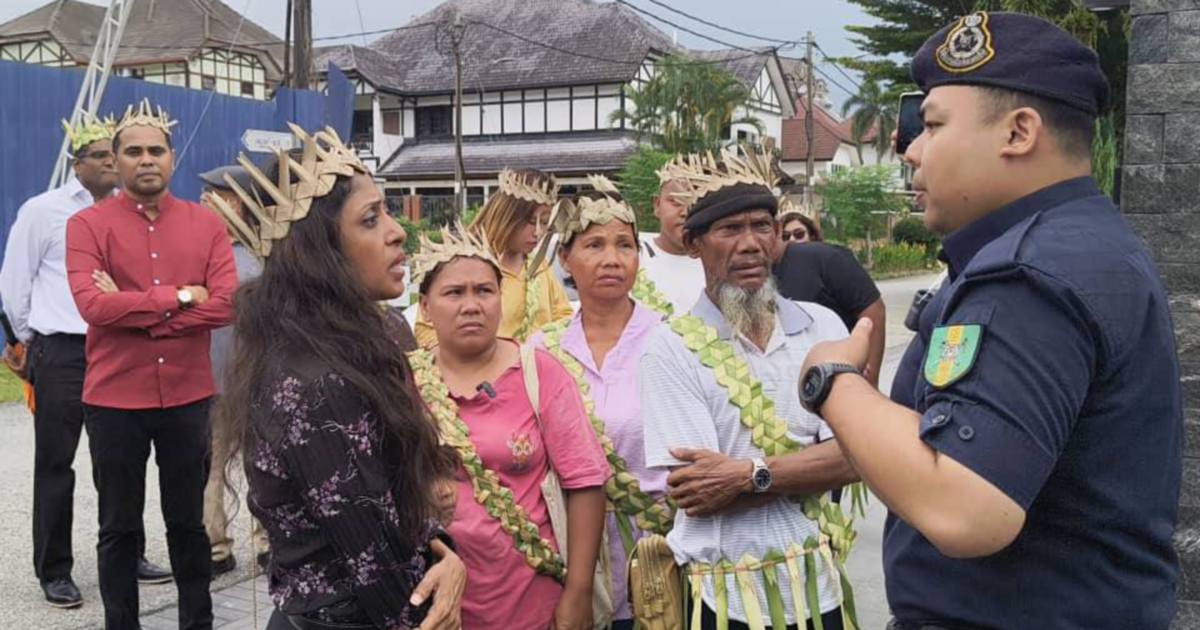
Residents of Kampung Sungai Cot in Kajang have found fresh optimism after Prime Minister Datuk Seri Anwar Ibrahim made a direct commitment to address the longstanding land disputes that have plagued their community. Juliana Jazlin Ismail, a villager whose family has been caught in the land conflict, expressed visible relief at the prospect of government intervention, marking a potential turning point for indigenous settlements that have endured protracted legal and administrative challenges.
The assurance represents a significant moment for Orang Asli communities across Malaysia who have historically faced systemic obstacles in securing legal recognition of their ancestral lands. Land disputes among indigenous groups often stem from competing claims between state governments, federal authorities, development corporations, and private entities—conflicts that have proven difficult to resolve through conventional legal channels. Many Orang Asli villages have existed in a state of precarious tenure for decades, unable to undertake meaningful improvements or investments in infrastructure due to the uncertainty surrounding their property rights.
For Kampung Sungai Cot specifically, the dispute has created considerable hardship for residents whose livelihoods and sense of security have been undermined by the absence of formal title recognition. The village, situated near Malaysia's urban heartland, exemplifies the vulnerability of indigenous settlements in rapidly developing regions where competing interests for land have intensified pressure on vulnerable communities. The Prime Minister's personal involvement signals an elevation of these concerns within the corridors of power, suggesting that the matter will no longer languish in bureaucratic channels.
Anwar Ibrahim's intervention aligns with his administration's stated commitment to addressing marginalized communities' grievances, though past promises regarding indigenous affairs have produced mixed results. The Prime Minister's willingness to engage directly with affected residents rather than delegating the matter to lower-ranking officials demonstrates at least symbolic recognition of the issue's gravity and the affected villagers' persistent advocacy. For communities that have felt ignored or dismissed, even such gestures carry meaningful weight in restoring confidence that their circumstances merit serious consideration.
The timing of this assurance comes amid broader debates about land use and indigenous rights across Southeast Asia. Malaysia's Orang Asli communities have become increasingly vocal about protecting their territories from encroachment and securing economic opportunities through land-based enterprises. However, their efforts have frequently collided with state development priorities and commercial interests that regard indigenous lands as available for resource extraction or property development.
Orang Asli leaders have consistently articulated that formal land ownership would enable communities to exercise genuine autonomy over their futures, including decisions regarding education, healthcare, and livelihood development. Without such recognition, villages remain dependent on government goodwill and vulnerable to displacement whenever political calculations shift or development opportunities attract powerful interests. The uncertainty also prevents indigenous communities from serving as collateral for agricultural loans or establishing microenterprises that require secure tenure.
The dispute affecting Kampung Sungai Cot likely involves competing claims that require careful investigation and negotiation among multiple stakeholders. The Prime Minister's involvement suggests that his office will bring substantial political capital to bear on finding an acceptable resolution, potentially overriding the jurisdictional or bureaucratic obstacles that have previously stalled progress. Whether such intervention translates into concrete outcomes remains to be seen, as resolving disputes frequently demands complex negotiations and sometimes requires clarifying ambiguous legislation.
For other Orang Asli communities experiencing similar difficulties, Anwar's commitment to Kampung Sungai Cot may establish a precedent or encourage them to escalate their own advocacy efforts. If the Prime Minister follows through on his assurance and achieves a meaningful resolution, it could embolden indigenous groups to pursue governmental engagement more aggressively rather than accepting prolonged legal conflicts. Conversely, should the intervention prove performative without substantive progress, it may deepen cynicism about political promises to indigenous communities.
Malaysia's handling of Orang Asli land disputes will increasingly shape international perceptions of the nation's commitment to indigenous rights, particularly as regional and international attention to indigenous issues intensifies. The country has signed international conventions recognizing indigenous peoples' rights to traditional territories, yet implementation remains inconsistent and often contested. A successful resolution of the Kampung Sungai Cot case could demonstrate Malaysia's genuine capacity to honor such commitments.
The relief expressed by villagers reflects not just optimism about their specific situation but also a broader yearning for recognition of Orang Asli communities' historical claims and legitimate grievances. After prolonged marginalization, indigenous residents have increasingly organized themselves to demand accountability from government officials and have begun framing their struggles in terms of human rights and social justice rather than merely administrative concerns.
As the Prime Minister's office develops concrete proposals to address the dispute, Kampung Sungai Cot's residents will be watching closely to determine whether Anwar Ibrahim's assurance translates into genuine progress or remains unfulfilled rhetoric. Their experience will likely influence how other affected communities assess the government's sincerity regarding indigenous affairs and will provide important lessons for policymakers attempting to balance development aspirations with indigenous rights protections.

