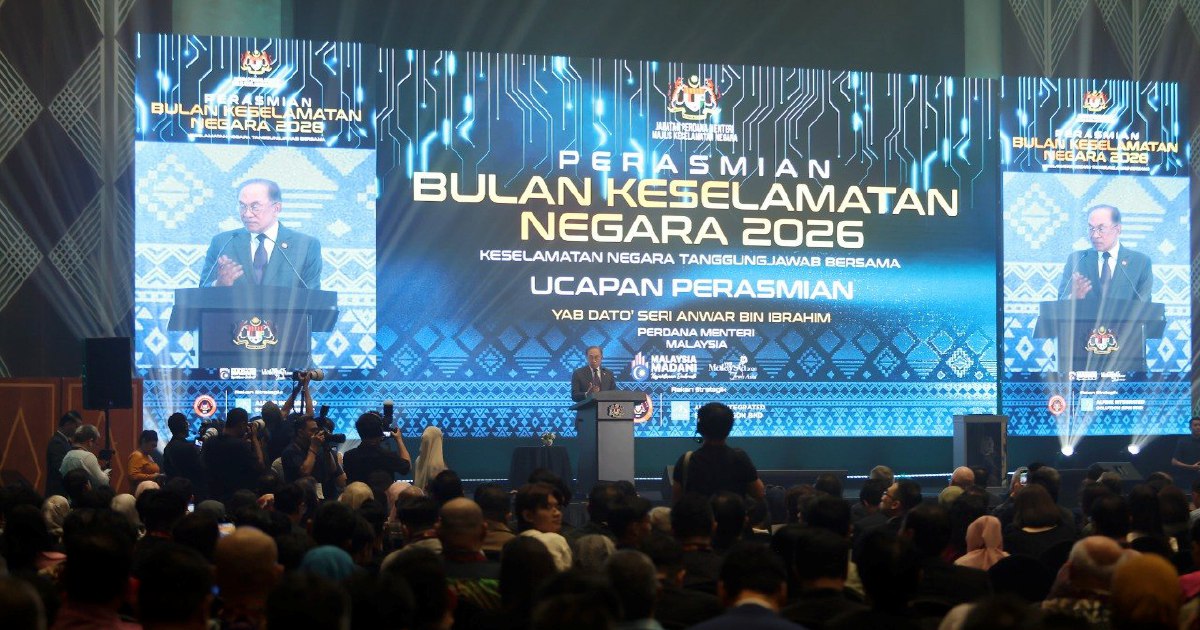
Prime Minister Datuk Seri Anwar Ibrahim has sounded an alarm over the resurface of racial and regional fault lines in Malaysian politics, particularly as Johor prepares for state-level elections. Speaking from Putrajaya, the premier expressed deep concern that the country risks remaining ensnared by outdated political divisions and inflammatory rhetoric—language that threatens to derail efforts toward national unity and inclusive development.
The timing of Anwar's intervention is significant, coming as Johor's electoral campaign gains momentum. The southern state has historically been a bellwether for national political trends, and its contests often preview broader shifts in Malaysian politics. By flagging the resurface of racial narratives in the campaign discourse, Anwar is attempting to steer the election conversation away from identity-based appeals toward policy-focused debates that could benefit voters across all communities.
Anwar's remarks reflect a growing frustration within the federal government at how state-level campaigns continue to deploy communal framing despite repeated calls for modernisation of political language. The repetition of such messaging, he suggested, keeps Malaysia locked in patterns of political behaviour that originated decades ago but remain largely unproductive for addressing contemporary challenges such as economic inequality, education quality, and infrastructure development.
For Malaysian readers accustomed to election cycles where communal messaging has been routine, Anwar's public criticism represents a notable pushback against established campaign practices. The warning carries particular weight given his position as national leader and his party's significant stake in the Johor outcome. By positioning himself as the voice advocating for transcendence of racial politics, Anwar is attempting to establish a moral high ground while simultaneously signalling to voters that his administration prioritises substantive governance over divisive rhetoric.
The concern raised also touches on the anxiety felt by Malaysia's business community and international observers who worry that perpetual racial framing of politics discourages investment, impedes meritocratic advancement, and reinforces stereotypes about the nation's political maturity. Foreign investors and multinational corporations increasingly factor political stability and the absence of communal tension into their site-selection decisions for Southeast Asian operations.
Johor's electoral significance extends beyond its state boundaries. As the second-largest economy among Malaysian states and a critical economic zone encompassing the Iskandar Malaysia development corridor, election outcomes here influence confidence levels among domestic and regional investors. Campaigns dominated by racial positioning have historically coincided with periods of political uncertainty that can depress investment sentiment throughout the broader region.
Anwar's intervention also reflects internal party dynamics within his coalition. Different partners maintain varying relationships with communal mobilisation strategies, and the PM's public warning provides political cover for those partners seeking to de-emphasise such messaging. This allows him to appear statesmanlike while supporting coalition candidates who wish to run campaigns focused on local governance issues rather than identity appeals.
The Malaysian political landscape has gradually shifted over the past decade, with younger voters and urban constituencies increasingly sceptical of traditional communal narratives. These demographic cohorts tend to prioritise economic opportunity, quality of public services, and transparent governance over group-based political promises. Anwar's remarks directly appeal to these constituencies, positioning his leadership as forward-looking and pragmatic rather than caught in historical grievances.
Regionally, Malaysia's ability to transcend communal politics carries implications for Southeast Asia's broader stability and integration. The Association of Southeast Asian Nations emphasises non-interference in member states' internal affairs, yet political instability rooted in communal tensions can spill across borders through migration, investment patterns, and diplomatic relationships. Anwar's concerns about racial rhetoric thus resonate with neighbouring governments watching Malaysia's trajectory.
The Johor election also serves as a test case for whether Malaysian political parties can sustain campaigns that focus on bread-and-butter issues—managing public utilities, maintaining roads, ensuring waste collection efficiency, and delivering healthcare services—rather than reverting to polarising identity appeals when electoral stakes rise. Success in such reframing would signal that Malaysian politics can evolve beyond established patterns.
Anwar's public stance should be understood within the context of his broader political positioning since becoming prime minister. His administration has emphasised economic recovery, youth employment, and technological advancement as national priorities. Campaigns built around racial grievances typically marginalise these agenda items, making his warning functionally tied to protecting his government's policy platform from being overshadowed by divisive rhetoric.
For Johor voters across all communities, the PM's comments offer an implicit permission structure to evaluate candidates and parties based on their records of service delivery and policy positions rather than ethnic appeals. This framing shifts the burden onto candidates to demonstrate tangible benefits they have delivered to constituencies and to outline specific plans for addressing recognised local problems rather than abstract positions on identity matters.

