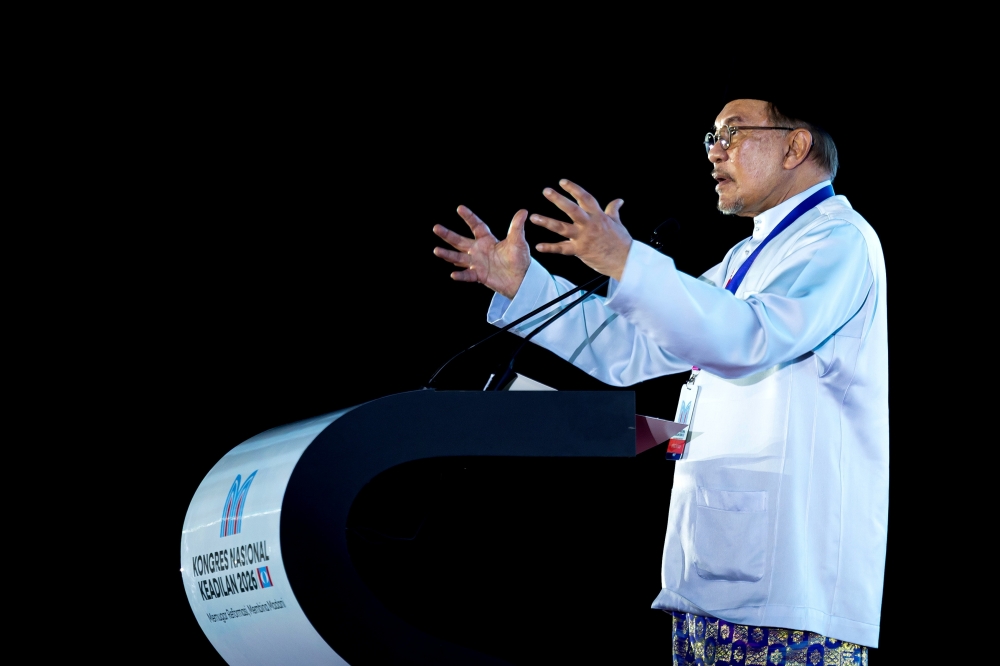
Prime Minister Datuk Seri Anwar Ibrahim has signalled that his administration intends to introduce several significant policy adjustments in the coming weeks, ahead of the formal presentation of the 2027 Budget. The government is preparing to roll out the initial tranche of these changes on Monday, according to statements made by the premier during his appearance in Melaka on Thursday. The timing suggests the administration is moving swiftly to implement reforms it views as essential for the nation's economic trajectory and governance framework.
The announcements are expected to touch on areas that the government has identified as requiring urgent recalibration. Although Anwar did not elaborate extensively on the nature of these changes during his remarks, his emphasis on their significance and immediacy indicates they extend beyond routine administrative adjustments. The Cabinet and relevant government agencies have apparently been preparing these measures in advance, suggesting a coordinated approach to implementation that aims to minimise disruption and ensure clarity in communication to stakeholders.
The decision to unveil changes before the Budget 2027 presentation represents a strategic sequencing of government communications. This approach allows the administration to set the policy foundation and explain the rationale behind reforms before revealing their budgetary implications and allocations. Budget announcements carry considerable weight in Malaysia's political and economic calendar, influencing business decisions, household planning, and market sentiment. By introducing policy changes beforehand, the government can frame these measures within a broader narrative of transformation and fiscal responsibility.
For Malaysia's business community and civil society, the timing carries particular importance. Companies and investors require clarity on the regulatory and policy environment in which they operate, and sequential announcements enable stakeholders to comprehend the government's overall direction before financial implications become clear. This structured approach to policy communication contrasts with last-minute policy reversals or surprise announcements that have occasionally generated uncertainty in Malaysian markets and among international observers assessing the country's institutional stability.
The broad nature of the anticipated changes suggests they may encompass multiple government portfolios and policy domains. Economic sectors, social programmes, and administrative structures could all be affected depending on the government's priorities. The administration under Anwar has previously signalled commitment to fiscal prudence, anticorruption measures, and economic modernisation, and these policy shifts may reinforce those declared objectives. Observers will scrutinise the announcements for evidence of how the government plans to balance fiscal consolidation with expenditure on development and social support.
Regional and international investors have been monitoring Malaysia's policy direction closely amid shifting geopolitical dynamics and economic competition within Southeast Asia. Countries in the region are pursuing different strategies to attract foreign direct investment and develop economic resilience. Clear, well-communicated policy frameworks enhance Malaysia's competitive positioning and investor confidence. The structured announcement of changes demonstrates the government's intent to maintain transparency and provide the business environment with predictability.
Domestically, the announcements will be scrutinised by parliamentarians and political observers for clues about the government's legislative agenda and resource allocation in the coming budget year. Coalition partners and potential critics will assess whether the changes align with stated manifesto commitments and public expectations. The political economy of budget-making in Malaysia requires the government to balance competing demands from different constituencies, regions, and economic interests while maintaining fiscal sustainability.
The emphasis on Monday's initial announcements suggests the government plans a phased release of information rather than a single comprehensive statement. This approach allows for sustained media attention and deeper public engagement with each policy announcement, while also providing time for government agencies to prepare detailed implementation guidance and address anticipated concerns. It also enables the government to gauge public and market reaction to early announcements before proceeding with subsequent measures.
For Malaysian households and workers, the nature and scope of these policy changes will ultimately determine their economic welfare and access to government services. Changes to tax structures, subsidy regimes, social welfare provisions, or labour market policies directly affect household budgets and employment prospects. The government's responsibility is to communicate clearly how proposed changes will affect different demographic groups and economic strata, ensuring that citizens understand both the rationale for reform and the mechanisms through which changes will be implemented.
The Budget 2027 cycle represents a critical juncture for the Anwar administration to demonstrate its governance competence and policy coherence. Economic growth, unemployment, inflation, and public service delivery remain central to public evaluation of government performance. The policy changes announced this week and incorporated into the budget framework will shape Malaysia's economic trajectory, competitiveness, and social cohesion through 2027 and beyond. The government's challenge is ensuring these changes build sustainable growth while addressing inequality and maintaining political stability amid diverse societal expectations and regional competition for investment and talent.

