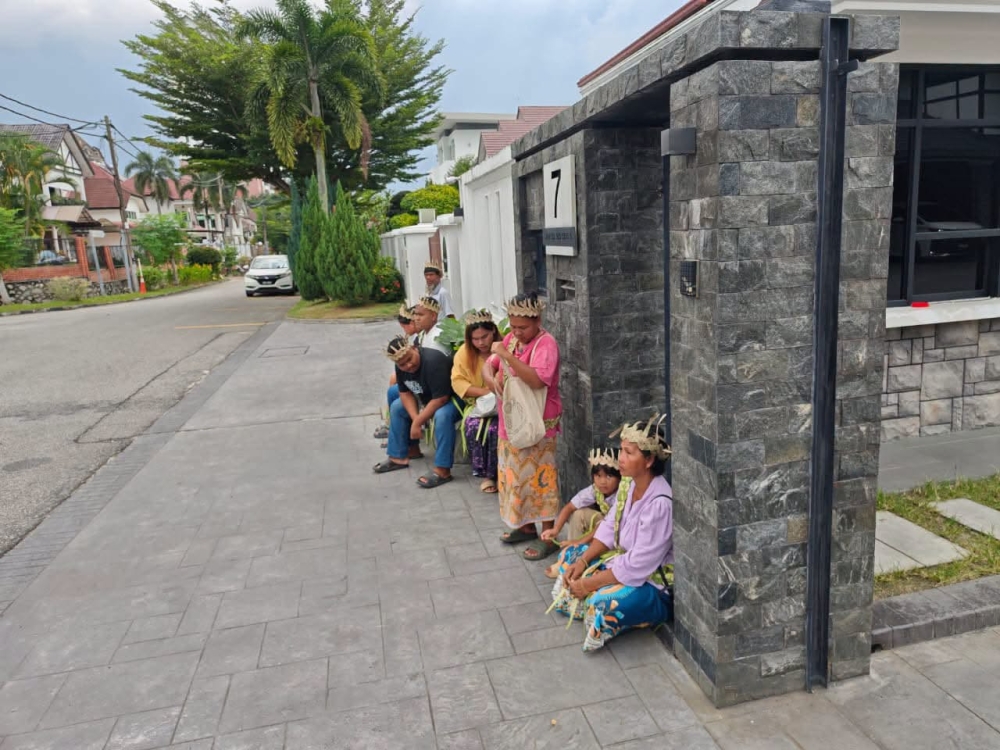
Prime Minister Datuk Seri Anwar Ibrahim has committed to escalating the Orang Asli land dispute in Maran directly to Pahang state government officials after engaging with residents about their grievances. The commitment emerged following Anwar's outreach to villagers grappling with longstanding territorial claims and property rights issues in the East Coast state.
The Orang Asli, Malaysia's indigenous populations, have historically faced challenges asserting their customary land rights within the modern legal framework. The Maran dispute appears to centre on competing interests between traditional indigenous occupancy and official land classifications or development proposals. Such conflicts have periodically drawn national attention and raised questions about how effectively existing safeguards protect indigenous communities' territorial interests and cultural heritage.
Anwar's decision to personally intervene reflects growing political sensitivity around indigenous affairs and the broader struggle for indigenous rights recognition across Southeast Asia. By committing to raise the matter at state level, the Prime Minister signals that such concerns now warrant cabinet-level engagement, potentially elevating the dispute beyond local administrative channels. This approach may encourage other indigenous communities facing similar challenges to seek higher-level political redress.
The Pahang government holds significant authority over land administration within the state, making the proposed dialogue with state officials a logical institutional pathway. However, the effectiveness of such interventions often depends on whether state authorities prioritise indigenous land claims against competing economic or development interests. Pahang's administration will face pressure to demonstrate responsiveness to Prime Minister's concerns while managing broader state development priorities.
Orang Asli communities across Malaysia have long advocated for stronger legal recognition of their customary land rights. Current legislation provides some protections, yet enforcement remains inconsistent, and competing claims frequently favour larger economic interests or government development schemes. The Maran case exemplifies broader structural challenges within Malaysia's land governance system regarding indigenous tenure security.
This intervention aligns with Anwar's administration's stated commitment to inclusive governance and social justice. However, translating political promises into concrete outcomes requires sustained follow-through and concrete legislative or administrative action. The Prime Minister's pledge will be assessed based on whether tangible progress materialises in resolving the Maran villagers' specific claims and broader recognition of Orang Asli land rights.
The timing of Anwar's engagement with Maran residents suggests his government remains attentive to indigenous constituencies and their electoral significance. In Malaysian politics, indigenous communities represent a considerable voting bloc, particularly in states like Pahang where Orang Asli populations are concentrated. Demonstrating responsiveness to their concerns can strengthen political support while addressing legitimate grievances about historical marginalisation.
Southeast Asian nations generally struggle with indigenous land disputes, as pressure for development, agricultural expansion, and resource extraction intensifies. Malaysia's approach to balancing indigenous rights with national development goals will influence regional standards and expectations. By prioritising dialogue and administrative engagement, Anwar's approach suggests preference for negotiated solutions over litigation or confrontational approaches, potentially setting constructive precedents for other disputed cases.
The villagers' willingness to engage with the Prime Minister indicates some confidence in the potential for high-level political intervention. Whether this translates into sustained momentum depends partly on bureaucratic follow-through by both federal and state officials. Without clear timelines, accountability mechanisms, and dedicated resources, such commitments risk becoming symbolic gestures rather than catalysts for institutional change.
Future developments in the Maran dispute will offer insight into how seriously Malaysia's federal government prioritises indigenous land rights reform. Success would require Pahang authorities to genuinely address underlying title disputes, potentially through land surveys, historical documentation review, or negotiated settlements between competing claimants. Failure could reinforce indigenous communities' perceptions that political engagement yields limited practical outcomes, potentially driving future activism toward more confrontational strategies.
The interaction between federal intervention and state autonomy over land matters represents a constitutional tension requiring careful navigation. Anwar must balance federal commitment to indigenous justice against respecting Pahang's administrative prerogatives. This delicate positioning could influence how effectively the Prime Minister's office translates promises into sustained policy action benefiting Orang Asli communities beyond Maran.
Broader implications extend to Malaysia's international standing regarding indigenous peoples' rights. Regional and global scrutiny of indigenous land issues continues intensifying, and how the government handles high-profile disputes affects its credibility on human rights commitments. The Maran case, now elevated to Prime Minister level, carries symbolic weight extending beyond local territorial concerns to reflect national governance standards regarding marginalised communities.

