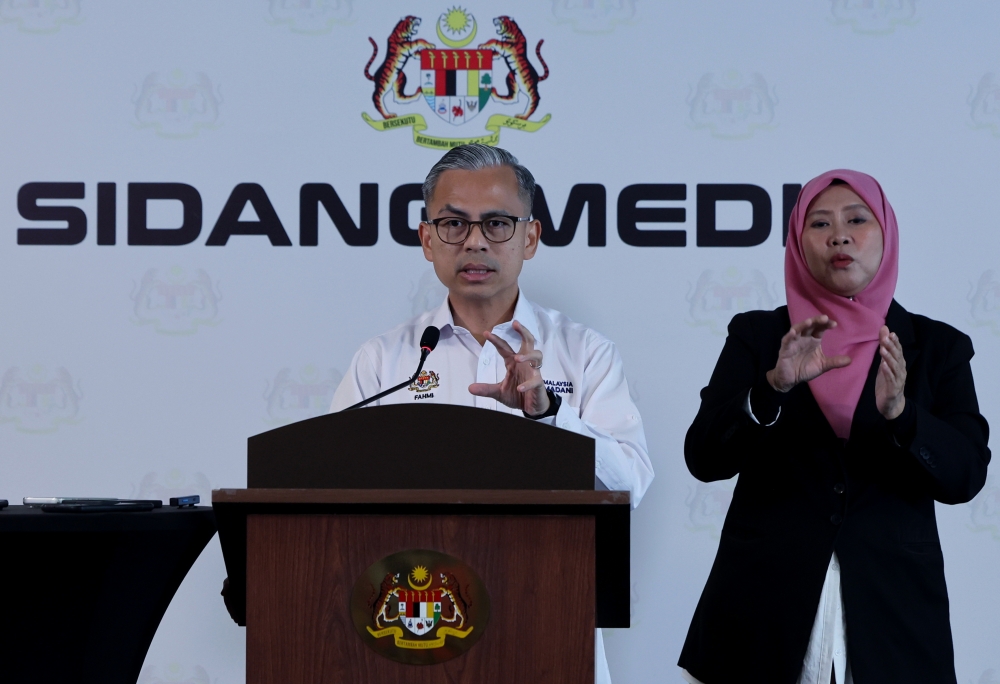
Prime Minister Datuk Seri Anwar Ibrahim has issued a directive to the Ministry of Human Resources to accelerate the processing of approximately 15,000 foreign worker applications currently in the system, marking a significant step to address persistent labour shortages affecting multiple economic sectors. Government spokesperson Fahmi made the announcement, underscoring the administration's commitment to streamlining bureaucratic procedures that have historically slowed visa approvals and contributed to operational bottlenecks for employers across the country.
The decision reflects growing concerns within the business community that delays in foreign worker placement are hampering productivity and competitiveness, particularly in manufacturing, construction, hospitality, and agricultural operations. Many Malaysian employers have reported struggling to fill vacancies with local talent, necessitating recruitment from neighbouring countries including Indonesia, Bangladesh, Myanmar, and the Philippines. The backlog of pending applications has created uncertainty for businesses seeking to maintain workforce stability and meet production targets in an increasingly challenging economic environment.
The initiative demonstrates recognition at the highest levels of government that Malaysia's labour market dynamics require pragmatic workforce solutions, even as domestic employment policies emphasise skills development and job creation for Malaysian citizens. The balance between protecting local employment opportunities and responding to genuine sectoral shortages remains a delicate policy consideration, particularly in industries where wage differentials make local recruitment difficult. By expediting approvals, the government aims to reduce hiring timelines that can stretch from weeks into months, a delay that carries significant financial consequences for employers.
Implementing the fast-track directive will require coordination across multiple government agencies, including the Immigration Department, the Human Resources Ministry's Foreign Worker Management Division, and sectoral regulators. The streamlining effort suggests that bureaucratic processes may have become unnecessarily cumbersome, with redundant verification steps potentially contributing to processing delays. Success will depend on whether the relevant departments can mobilise additional resources, prioritise case reviews, and simplify documentation requirements without compromising security screening or labour protection standards.
The announcement carries implications for Malaysia's position within the regional labour market. Singapore, Thailand, and other competitors actively recruit foreign workers and have developed more efficient visa systems that attract skilled personnel. If Malaysia can improve its processing capabilities, the country may become more attractive to migrant workers, enhancing its ability to compete for talent. Conversely, continued delays risk pushing employers towards alternatives or establishing operations in jurisdictions with more responsive immigration frameworks.
Labour advocates, however, will likely scrutinise the initiative closely to ensure that increased foreign worker recruitment does not undermine wage protections or working conditions for Malaysian employees. The government must demonstrate that the 15,000 positions represent genuine unfilled vacancies rather than opportunities to replace higher-wage domestic workers with lower-cost foreign labour. Transparent criteria for approving applications, regular audits of employer compliance with labour standards, and enforcement of wage agreements remain essential safeguards.
The timing of this directive coincides with Malaysia's economic recovery efforts following pandemic disruptions and reflects the reality that labour market tightness, particularly at lower skill levels, persists despite economic challenges. Sectors like palm oil, rubber processing, and food manufacturing have historically relied on migrant workers, and sudden restrictions on foreign recruitment could trigger production declines and inflation in critical commodities. The government's recognition of this reality suggests a pragmatic approach to labour policy that acknowledges both the primacy of Malaysian employment and the legitimate operational constraints facing employers.
Regional migration patterns also influence this decision. Workers from source countries increasingly seek opportunities in jurisdictions with transparent hiring processes and reliable payment systems. Countries perceived as having slow, opaque, or corrupt visa procedures lose out to competitors with streamlined systems. By improving processing efficiency, Malaysia sends a market signal that it values migrant workers and respects their time, potentially improving its attractiveness relative to alternative destinations.
The implementation of this directive will require careful monitoring and reporting. The government should establish clear timelines for processing each application category, publish monthly progress updates, and address bottlenecks as they emerge. Creating accountability mechanisms ensures that the fast-track initiative translates into actual approvals rather than simply pushing applications through bureaucratic layers without substantive review.
For Malaysian workers, this policy presents a mixed picture. In occupational categories where labour shortages are acute and genuine, faster foreign worker recruitment may actually benefit locals by enabling businesses to remain operational, competitive, and capable of investing in workforce development and training programs. However, in sectors where foreigner employment could suppress wage growth or displace local workers, rigorous oversight is essential. The government's communication strategy should emphasise how foreign worker management integrates with broader human capital development goals.
Moving forward, the government may consider broader reforms to the foreign worker governance framework, including digitised application systems, standardised documentation requirements, and regional processing centres that reduce in-person bureaucratic burden. The 15,000-application initiative, while addressing immediate backlog concerns, could serve as a pilot for more comprehensive modernisation of Malaysia's migrant worker systems, positioning the country as a regionally competitive destination for international labour.

