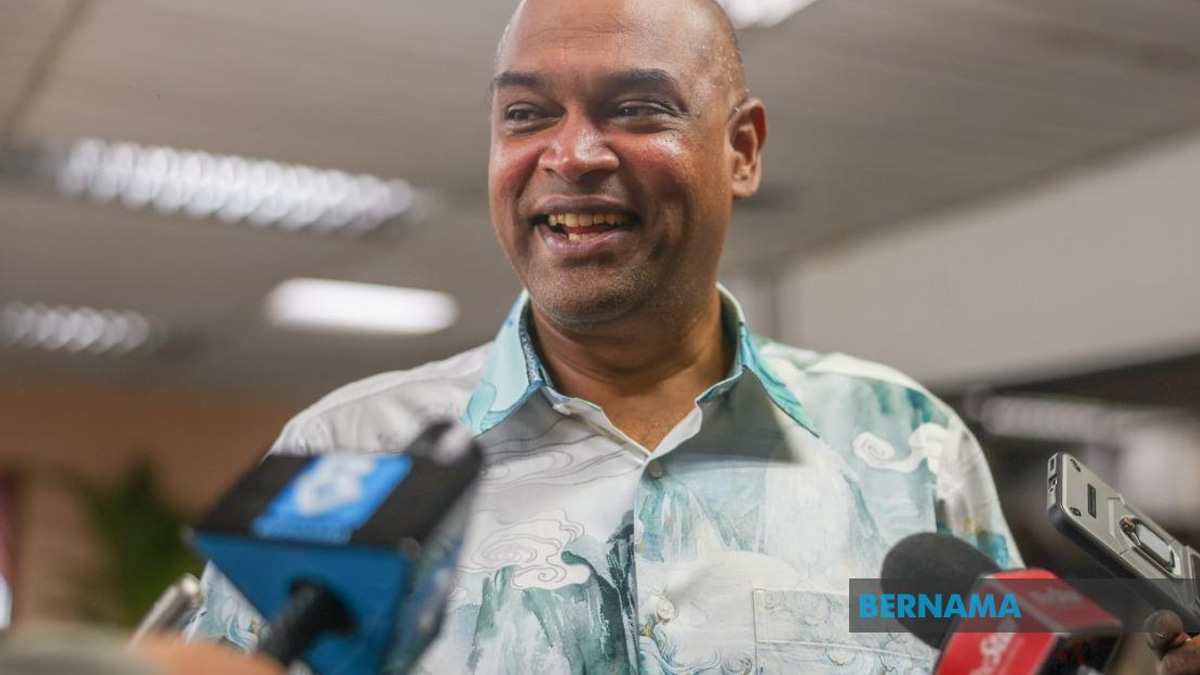
Prime Minister Anwar Ibrahim has made a fresh appeal to Malaysians to resist divisive political messaging, positioning the nation's multi-ethnic character as fundamental to its identity and future prosperity. In remarks that underscore growing concerns about polarizing rhetoric in Malaysian politics, Anwar framed Malaysia's diversity not merely as a demographic fact but as a defining competitive advantage that sets the country apart regionally and globally.
The call comes at a moment of heightened political tension across Southeast Asia, where several nations are grappling with identity-based divisions and the rise of populist movements that weaponize ethnic and religious identity for political gain. Malaysia, with its constitutionally enshrined social contract guaranteeing rights to indigenous Malays and Muslims while protecting the interests of Chinese and Indian citizens, has long positioned itself as a model of managed diversity. Yet recent political cycles have seen increasing attempts by various actors to stoke communal anxieties and exploit grievances for electoral advantage.
Anwar's intervention suggests the government recognizes that such divisive messaging, if left unchallenged, poses a genuine threat to social cohesion and economic stability. The rhetoric comes from multiple directions across Malaysia's political landscape—not confined to any single party or faction—reflecting a broader regional trend where leaders calculate that identity-based mobilization drives electoral turnout and media attention. The Prime Minister's emphasis on unity appears designed to reframe the political debate away from zero-sum ethnic competition and toward shared national interests.
Historically, Malaysia has weathered multiple episodes of communal tension, most notably the riots of May 13, 1969, which shaped the subsequent decades of national governance and resulted in explicit constitutional arrangements balancing different communities' aspirations. These arrangements, though imperfect and occasionally contested, have provided a framework within which diverse populations coexist. Yet each generation faces the challenge of renewing commitment to these foundational principles, particularly when economic pressures and political ambitions create incentives to exploit divisions.
The emphasis on diversity as strength carries particular resonance for Malaysia's economy, which depends heavily on attracting international talent, maintaining regional influence, and projecting itself as a cosmopolitan hub within Southeast Asia. Investors and skilled professionals increasingly factor social stability and inclusive governance into location decisions. Countries perceived as ethnically polarized face capital flight, brain drain, and reduced competitiveness in the global knowledge economy. Singapore's success despite its own ethnic tensions partly reflects meritocratic systems that transcend communal boundaries, a lesson not lost on Malaysia's business community.
Anwar's call also reflects the particular positioning of his Pakatan Harapan coalition, which draws support from multiple ethnic communities and positions itself as pro-reform and inclusive compared to some opposition parties that rely more heavily on identity-based appeals. The Prime Minister's rhetoric thus serves both a principled and a tactical function—it articulates genuine commitment to pluralism while distinguishing his government from political competitors. Whether such messaging can effectively counter the pull of identity-based politics, however, remains an open question, particularly given the deep roots such appeals have in Malaysian electoral behavior.
The challenge of maintaining communal harmony amid inequality is particularly acute in Malaysia today. Economic gaps between ethnic groups persist, generating resentment that cynical political actors can readily exploit. While diversity itself need not be divisive, unequal development and perceived injustices in opportunity allocation become flashpoints when politicians deliberately frame issues through ethnic lenses. The Prime Minister's broader governance agenda, therefore, cannot rely on appeals to unity alone but must deliver tangible improvements in living standards, education, healthcare, and economic participation across all communities.
Regional context matters here as well. Throughout Southeast Asia, political leaders face intensifying pressure from globalization, climate change, and technological disruption—challenges that do not respect ethnic or religious boundaries. Nations that fracture along identity lines find themselves unable to mount coherent responses to shared threats. ASEAN's own founding principle of non-interference, while protecting state sovereignty, has sometimes enabled leaders to pursue divisive agendas without external accountability. Malaysia's internal commitment to unity becomes part of its strategic positioning within the region and the wider world.
Anwar's repeated emphasis on rising above hate reflects a recognition that political culture itself is malleable—that citizens can be encouraged toward either greater solidarity or deeper fracture depending on the messages they receive from leaders and media. The Prime Minister is essentially making a countervailing argument to those who profit politically from division, suggesting that Malaysians possess the wisdom and maturity to resist such appeals. Whether this appeals-based approach, without accompanying institutional reforms and economic improvements, will suffice remains to be seen as Malaysia navigates an increasingly polarized political landscape.
Looking forward, the sustainability of Malaysia's multi-ethnic model will depend on whether leaders across the political spectrum internalize Anwar's message or whether the competition for narrow electoral advantage continues to override commitments to national cohesion. The diversity that the Prime Minister celebrates as strength can become vulnerability if allowed to harden into zero-sum communal conflict. Malaysia's trajectory in this regard will have implications not only for its own 34 million citizens but for how other Southeast Asian nations approach the perennial challenge of building prosperous, stable polities amid ethnic and religious plurality.