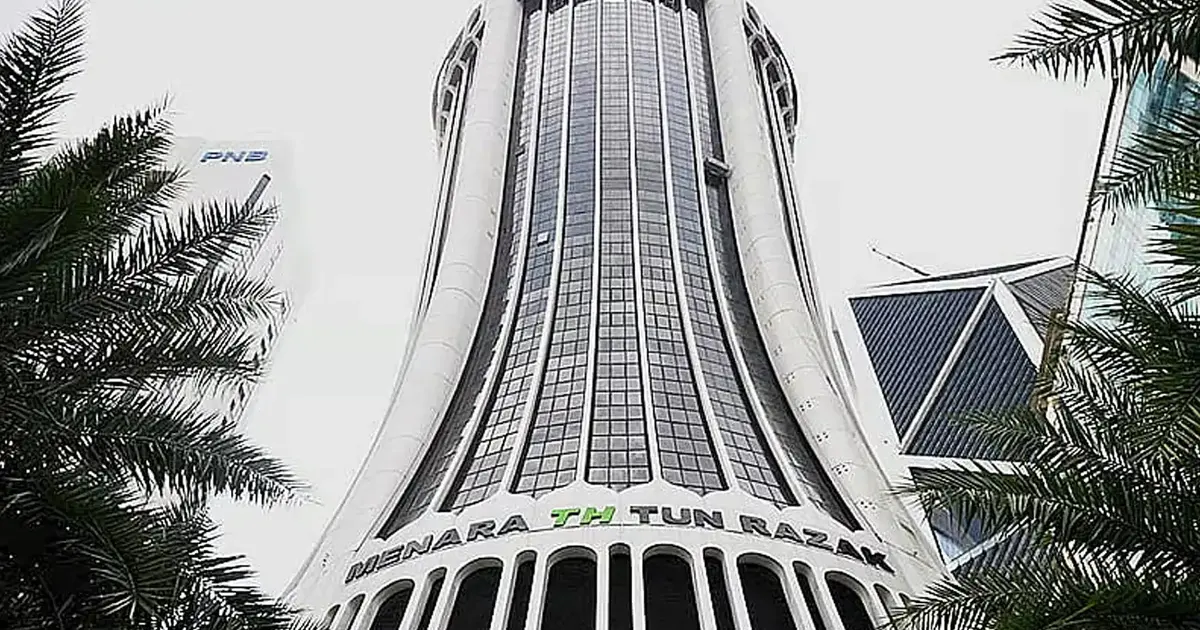
The Malaysian Anti-Corruption Commission (MACC) has intensified its scrutiny of Tabung Haji, dispatching a team of eight officers to the fund's Kuala Lumpur headquarters to conduct a systematic review of its documentary records. The development signals a deepening phase in the investigation into Malaysia's largest Islamic financial institution, which manages savings and facilitates pilgrimage arrangements for millions of Malaysian Muslims undertaking the hajj journey to Mecca.
Tabung Haji, officially known as Lembaga Tabung Haji, operates as a statutory body under the Ministry of Finance and serves as a critical custodian of hajj savings for the Malaysian Muslim population. The fund's mandate extends beyond simple financial intermediation—it manages complex investment portfolios, coordinates travel logistics for pilgrims, and maintains substantial reserves on behalf of its account holders. The institution's importance to the Malaysian financial ecosystem and its role in facilitating religious obligations makes the ongoing investigation a matter of considerable public interest.
The arrival of MACC investigators represents a significant moment in the probe's trajectory. Rather than conducting interviews or issuing preliminary notices, the deployment of a dedicated eight-member team suggests the commission is transitioning toward substantive evidence gathering and forensic examination of institutional records. Such document reviews typically encompass financial statements, board minutes, procurement records, investment decisions, and internal communications that might illuminate potential irregularities or governance failures within the organisation.
Tabung Haji has faced mounting scrutiny in recent years regarding its financial management and operational transparency. The institution encountered substantial investment losses during volatile market periods, raising questions about risk management practices and the adequacy of internal controls. These concerns have reverberated through Malaysia's Muslim community, where account holders depend on Tabung Haji to preserve and grow their hajj savings with prudent stewardship.
The MACC's investigative scope appears to encompass questions about governance structures, decision-making processes, and potential conflicts of interest at senior management and board levels. Such investigations typically examine whether officials have complied with fiduciary duties, disclosed conflicts appropriately, and ensured that institutional decisions prioritised the interests of account holders rather than narrow personal or institutional advantages.
For Malaysian citizens with savings in Tabung Haji, the investigation carries personal significance. Millions of Malaysians maintain accounts with the fund, treating it as a dedicated repository for hajj expenses and viewing their deposits as sacrosanct religious savings. Any evidence suggesting mismanagement or improper use of these funds would represent a profound breach of trust in an institution designed to serve the faithful.
The timing of the investigation also reflects broader efforts within Malaysia's anti-corruption apparatus to examine large public-sector financial institutions. Tabung Haji's status as a statutory body managing substantial assets makes it appropriately subject to MACC oversight, particularly when concerns emerge regarding governance practices or financial stewardship. The commission's approach of systematic document review provides a foundation for establishing factual records before any determinations regarding potential wrongdoing.
Sector observers note that investigations of this magnitude typically require several months of intensive work. The eight-officer team will likely need to cross-reference documents across multiple departments, interview staff members familiar with specific decisions, and coordinate with external auditors or financial specialists to evaluate the propriety of investment strategies and expenditure patterns. Such work demands meticulous organisation and careful preservation of investigative integrity.
The implications extend beyond Tabung Haji's institutional framework. Should the investigation uncover significant governance failures or mismanagement, it may prompt broader conversations within Malaysia about oversight mechanisms for Islamic financial institutions and whether existing regulatory structures adequately protect depositor interests. Policymakers and financial regulators may face pressure to strengthen governance requirements or enhance independent monitoring of such institutions.
For the hajj community specifically, the investigation underscores the importance of institutional accountability in managing resources dedicated to one of Islam's five pillars. The Malaysian government's commitment to investigating potential irregularities, through the MACC's independent authority, demonstrates responsiveness to public concerns about fiduciary responsibility in Islamic financial services.
The document review phase represents a critical inflection point in the investigation's progression. The evidence gathered during this systematic examination will likely determine whether the probe advances toward potential charges, expanded inquiries, or disciplinary recommendations. For stakeholders monitoring Tabung Haji's operations—from policymakers to account holders—the outcomes of this investigation will shape confidence in the institution's governance frameworks and financial practices moving forward.

