Financial analysts and industry observers have moved to reassure depositors of Lembaga Tabung Haji (TH) that their savings remain secure, even as the institution confronts findings from a comprehensive Royal Commission of Inquiry report that was publicly disclosed in late July. The reassurances come as TH management implements a series of remedial measures designed to strengthen operations and rebuild public confidence following the commission's examination of the institution's management and performance between 2014 and 2020.
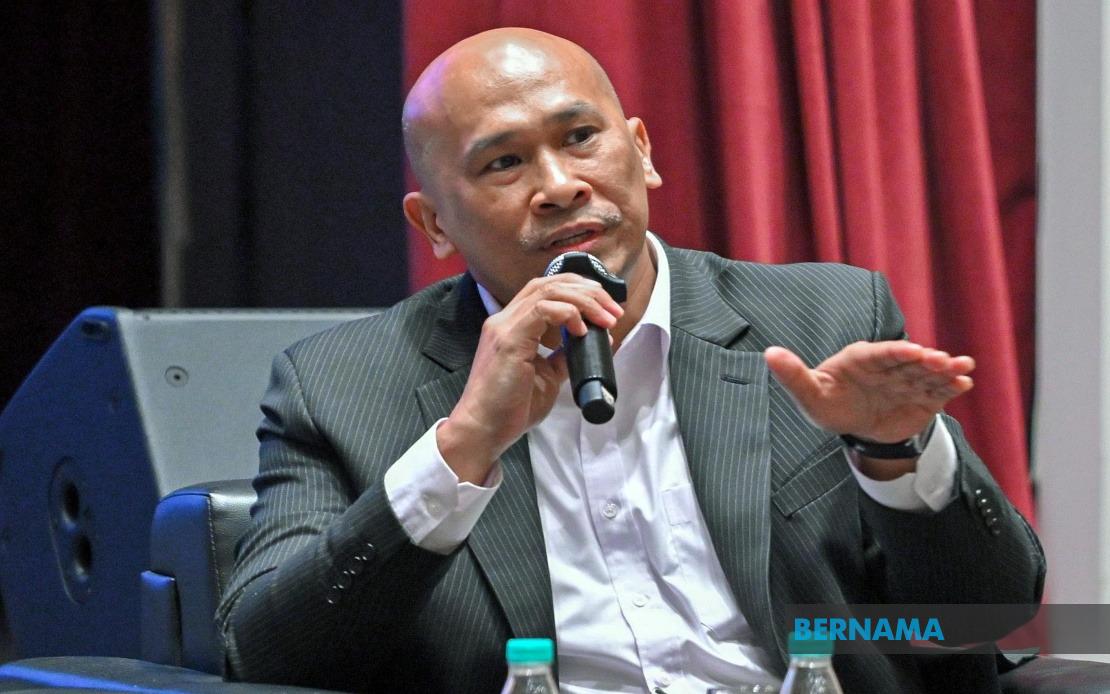
Dr Mohd Afzanizam Abdul Rashid, chief economist at Bank Muamalat Malaysia Bhd, emphasised that the problems documented in the Royal Commission report are not revelations but rather issues that have already been in the public domain and are now being systematically addressed. He drew attention to a particularly significant metric: TH has maintained positive net assets—the difference between total assets and liabilities—for five consecutive years from 2021 through 2023, demonstrating tangible financial recovery and growth. This sustained improvement provides concrete evidence that the institution's turnaround efforts are producing measurable results and warrant continued depositor trust.
The Royal Commission's 211-page report, released on July 29, detailed systemic weaknesses in TH's management and operational framework across the seven-year period examined. However, the commission also put forward 25 specific recommendations for reform and improvement. As of late July, TH had already implemented three-quarters of these proposals, indicating rapid and substantive response to the inquiry's findings. This implementation rate suggests that the institution's leadership has prioritised the remedial agenda and is moving decisively to correct identified deficiencies.
Dr Mohd Afzanizam stressed that governance enhancements warrant particular attention going forward, including structural changes to TH's leadership hierarchy and management systems. These organisational reforms address the report's core concerns about decision-making processes, accountability mechanisms, and operational oversight. The analyst positioned these changes not as evidence of institutional failure but as necessary evolution that strengthens the foundation upon which depositor protection ultimately rests. He cautioned against evaluating TH's performance through a purely financial lens, arguing that a more comprehensive assessment must account for the institution's broader role and responsibilities.
A crucial dimension of TH's institutional standing involves its management of the hajj pilgrimage operations and its strategic relationship with the Saudi Arabian government. Dr Mohd Afzanizam highlighted that TH maintains a strong reputation within Saudi Arabia's official circles, a factor that has proven instrumental in securing improved pilgrimage quotas for Malaysian Muslims. This diplomatic and operational success translates into tangible benefits for depositors, many of whom view their TH accounts as vehicles for fulfilling the Islamic obligation of hajj. The positive perception that Saudi officials hold toward Malaysian pilgrims—attributed in part to TH's discipline and organisational standards—represents a distinctive institutional asset that extends beyond conventional financial metrics.
Mohd Hafiz Abd Hamid, secretary-general of IKRAM Malaysia, articulated a perspective that reframes TH's identity and purpose within Malaysia's Islamic financial ecosystem. He argued against viewing TH narrowly as a mere savings vehicle, contending instead that the institution functions as a paramount custodian of Muslim aspirations, given its inextricable link to the hajj journey for millions of Malaysian believers. This characterisation underscores why breaches of confidence in TH carry implications far beyond conventional banking relationships; they touch upon matters of religious observance and spiritual fulfilment. He consequently urged all levels of TH management to prioritise the preservation of public trust and to ensure that institutional credibility remains intact amid ongoing reform efforts.
Among individual depositors, the publication of the Royal Commission findings has not visibly eroded confidence in the institution. Nooraishah Wahab, a 57-year-old housewife and depositor, stated explicitly that the report's disclosure has not prompted her to reconsider her decision to maintain savings with TH. Her continued commitment reflects a broader assessment that the institution's remedial trajectory and demonstrated financial stability outweigh concerns raised by the inquiry. This sentiment appears representative of many depositors who view TH's problems as historical rather than ongoing, and who interpret the aggressive implementation of the commission's recommendations as evidence of serious institutional reform.
The timing of the Royal Commission report's public release—nearly two years after its completion in 2022—may have actually served the institution's interests by allowing recovery initiatives to demonstrate concrete results before the document reached public scrutiny. The gap between completion and disclosure created space for TH to translate recommendations into practice, enabling the institution to present a narrative of active remediation rather than passive acknowledgement of problems. When depositors assess TH's current position, they can point to tangible improvements in financial metrics, governance structures, and operational systems rather than confronting the report in isolation.
The analyst perspective and depositor reactions collectively suggest that public confidence in TH can be stabilised and rebuilt through sustained demonstration of financial recovery, transparent implementation of reform recommendations, and continued excellence in hajj operations and Saudi Arabian relations. The five-year streak of positive net assets provides the foundational evidence upon which confidence rests, while the 75 per cent implementation rate of Royal Commission recommendations demonstrates institutional responsiveness. For Malaysian Muslims with plans to perform hajj, TH's maintained standing in Saudi Arabia and demonstrated capacity to manage pilgrimage operations effectively remain paramount considerations that support continued engagement with the institution.

