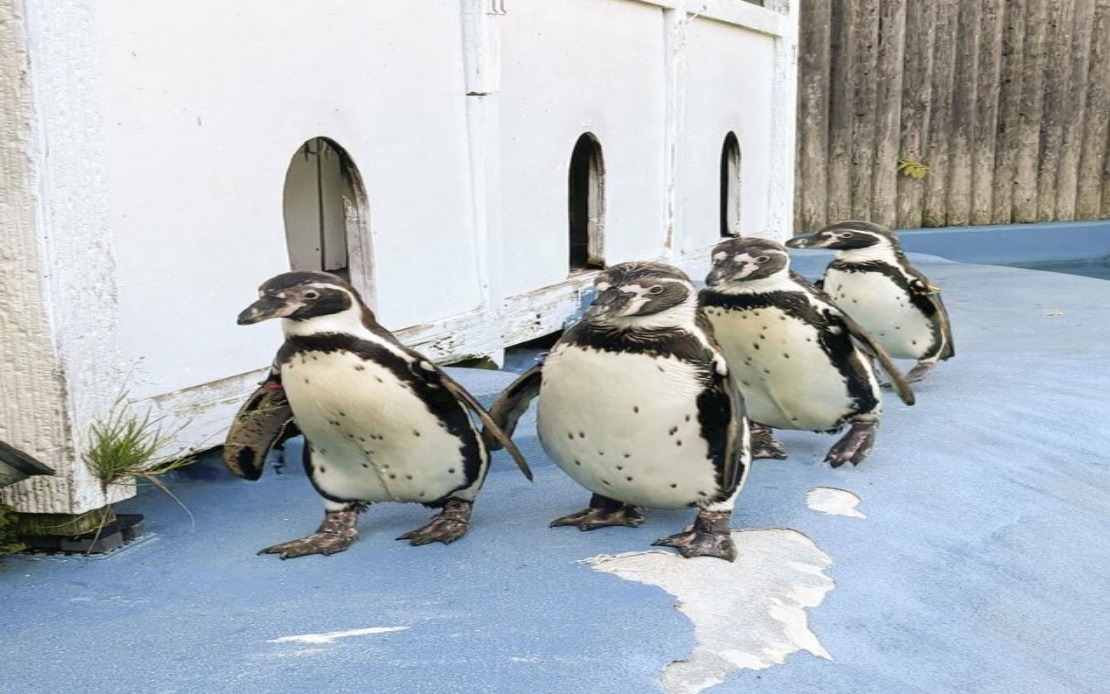
Investigators in Japan have determined that all four Humboldt penguins that perished at Yagiyama Zoological Park in Sendai last month succumbed to avian malaria, according to findings released Friday. The discovery follows an examination commissioned by the zoo and carried out by researchers at Iwate University, which identified the mosquito-borne illness as the cause of death across all four birds.
The tragic loss unfolded rapidly across a ten-day period in mid-July. Beginning with the death of Aramasa, a male penguin, the remaining three birds died in succession between July 9 and 19. What distinguished this outbreak was the sudden nature of the fatalities: none of the animals displayed observable symptoms of illness until the day immediately preceding their deaths, complicating early detection and intervention efforts.
Avian malaria represents a significant threat to captive birds globally, though the disease carries no transmission risk to human populations. The pathology of the infection can prove deceptively dangerous; while some infected birds may exhibit prolonged courses of illness, others experience a catastrophic progression where the disease moves from asymptomatic to fatal within hours. This unpredictable trajectory underscores why zoo management systems require robust disease prevention protocols.
The Humboldt penguin species, native to the Pacific coastlines of Peru and Chile, possesses biological advantages over Antarctic and subpolar penguin varieties in adapting to warmer environmental conditions. This adaptability has made them particularly popular exhibits across Japanese zoological institutions, where they attract considerable public interest. However, their preference for milder climates creates paradoxical vulnerabilities: the warmer temperatures that suit their physiology also provide ideal breeding grounds for the mosquito vectors that transmit avian malaria.
Yagiyama Zoological Park has made clear that no immediate timeline exists for replacing the deceased birds. Instead, management has prioritized a more cautious approach, committing to comprehensive preventative measures before introducing new penguins to the facility. This decision reflects heightened awareness of the conditions that precipitated the outbreak and a determination to eliminate similar risks.
Central to the zoo's remediation strategy is a complete redesign of the penguin enclosure architecture. The focus of this redesign targets the elimination of stagnant water accumulation points where mosquito larvae develop. Puddles and shallow water bodies that form naturally within zoo environments create ideal nurseries for the insects responsible for spreading avian malaria. By engineering the enclosure to prevent such pooling, administrators hope to break the disease transmission cycle.
For regional zoo operators and wildlife management professionals across Southeast Asia, the Sendai incident underscores the mounting complexity of managing exotic species in captivity amid changing disease epidemiology. Tropical and subtropical environments throughout the region provide optimal conditions for mosquito populations year-round, elevating the baseline risk for avian malaria across all captive bird collections. The case demonstrates that even well-maintained facilities with experienced staff remain vulnerable to rapid disease outbreaks without comprehensive environmental controls.
The investigation's conclusions also highlight broader ecosystem health concerns. The presence of avian malaria vectors at this Japanese zoo suggests that mosquito-borne pathogens continue circulating in temperate zones, potentially driven by climate change and global species movement. As regional temperatures gradually shift, the geographic range of disease-carrying insects may expand, presenting novel challenges to wildlife conservation efforts throughout Asia.
Authorities indicated that once infrastructure modifications are completed and monitoring protocols are established, Yagiyama Zoological Park will pursue the gradual reintroduction of Humboldt penguins. The timeline for such reintroduction remains uncertain and contingent upon the successful implementation and validation of preventative measures. This phased approach balances public interest in maintaining penguin exhibits against the fundamental imperative to ensure animal welfare and biosecurity.
The incident carries implications beyond Sendai's borders. Zoo operators and veterinary professionals throughout Malaysia and Southeast Asia may anticipate similar outbreaks, particularly given regional humidity levels and mosquito populations. The Sendai experience provides valuable lessons regarding enclosure design, preventative breeding site elimination, and the critical importance of rapid diagnostic capabilities when unexplained animal deaths occur in captive settings.

