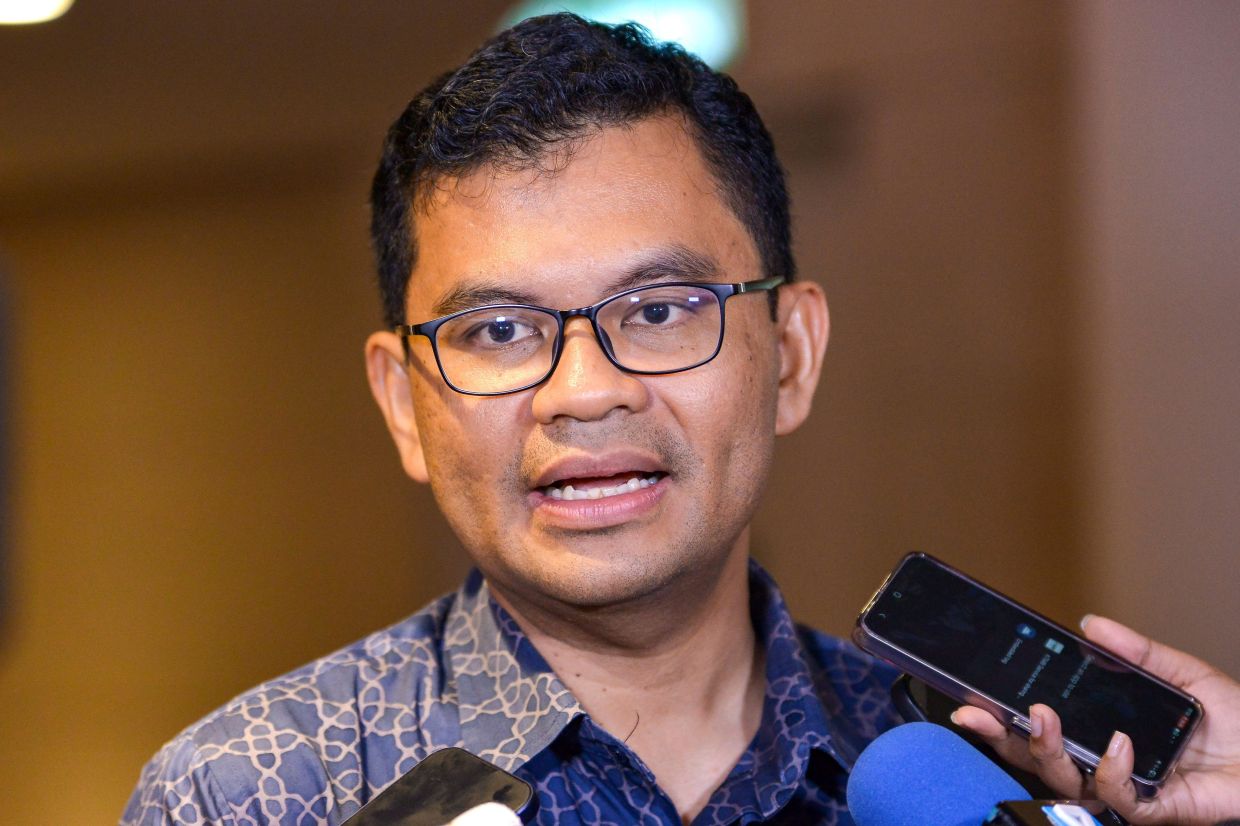
Malaysia's renewable energy push has gained significant momentum with the allocation of 42 Feed-in Tariff projects set to catalyse approximately RM4.3 billion in fresh investments, Economy Minister Akmal Nasrullah Mohd Nasir announced at the 7th International Sustainable Energy Summit in Kuala Lumpur. The portfolio encompasses a diverse mix of clean energy technologies, reflecting the government's commitment to transitioning away from fossil fuels while strengthening local manufacturing and employment prospects across the nation.
The successful applicants will develop 16 biogas installations, 11 biomass facilities, and 15 small hydropower schemes, collectively delivering 331.355 megawatts of additional renewable capacity to Malaysia's grid. This represents a substantial contribution to the country's renewable energy targets, particularly given the increasing demand for clean electricity driven by industrial decarbonisation commitments and corporate sustainability goals. The distribution across three technology types demonstrates a balanced approach to harnessing Malaysia's diverse renewable resources, from agricultural waste streams to water resources and landfill gas.
Capacity distribution reveals the dominant role of hydropower in this allocation round, with small-scale hydropower projects accounting for 169.23 megawatts, nearly half of the total approved capacity. Biomass projects follow with 135.94 megawatts, leveraging Malaysia's substantial agricultural and forestry biomass streams. Biogas installations, while comprising the largest number of individual projects at 16, contribute a more modest 26.185 megawatts, underscoring their complementary role in the renewable portfolio whilst addressing waste management challenges in the agricultural and food processing sectors.
The economic multiplier effects extend well beyond energy generation alone. The projects are anticipated to generate approximately RM617 million in demand for locally manufactured gas engines and boilers, providing a significant boost to Malaysia's renewable energy equipment manufacturing sector. This domestic supply chain development holds particular importance for Southeast Asia, where regional competition for clean energy manufacturing capabilities is intensifying. By anchoring demand within Malaysian producers, the FiT scheme creates a virtuous cycle of industrial development and export potential as neighbouring countries pursue their own renewable targets.
Employment generation represents another critical dimension of the initiative. The 42 awarded projects are projected to create approximately 7,738 indirect employment opportunities across construction, operations, maintenance, and supply chain functions. These jobs span both urban and rural areas, given the distributed nature of hydropower, biogas, and biomass facilities. For Malaysia's labour market, such opportunities are particularly valuable in regional and semi-rural communities where economic diversification remains limited, potentially mitigating rural-urban migration pressures whilst building technical expertise in emerging green sectors.
The selection process involved rigorous evaluation criteria that extended beyond simple tariff considerations. The Sustainable Energy Development Authority (SEDA) Malaysia assessed site suitability, technical feasibility, proposed tariff rates, and the availability of supporting ecosystems for each project. This comprehensive approach reduces implementation risk and maximises the likelihood of projects reaching commercial operation within projected timelines. Minister Akmal Nasrullah indicated that the selected developers are expected to have their installations connected to the grid between 2029 and 2030, providing a clear developmental pathway over the coming years.
Context matters here: the successful applicants emerged from a considerably larger pool of aspirants. SEDA Malaysia received 48 total applications for biogas, biomass, and hydropower projects, representing a combined proposed capacity of 370.480 megawatts. The selection of 42 projects thus reflects a competitive process that approved approximately 90 percent of applications by volume but 89 percent by capacity. This high approval rate suggests either exceptionally strong applications or a deliberate policy choice to maximise renewable deployment, though the screening for site suitability and technical considerations likely weeded out genuinely problematic proposals.
The FiT mechanism itself remains central to Malaysia's renewable energy strategy. By offering long-term tariff guarantees, the scheme reduces investment uncertainty and enables project developers to secure financing on more favourable terms. For Malaysian and foreign investors, the stability provided by FiT contracts is essential, particularly given the capital intensity of renewable energy infrastructure and the relatively long payback periods typical in the sector. Against the backdrop of global energy transition acceleration, Malaysia's continuation and expansion of the FiT programme signals policy consistency and commitment.
Regional implications warrant consideration as well. Malaysia's renewable energy capacity additions contribute incrementally to Southeast Asia's clean energy transition, with potential spillover effects on regional electricity trade and climate commitments. As ASEAN economies pursue increasingly ambitious renewable targets, successful FiT implementations in larger regional economies like Malaysia and Indonesia provide templates and lessons that smaller neighbours can adapt. The employment and manufacturing benefits also create regional precedents for capturing green economy value chains rather than remaining dependent on imported renewable equipment.
Investor confidence in Malaysia's renewable sector appears to be strengthening based on this award announcement. The combination of policy stability, transparent selection processes, and clear implementation timelines reduces perceived risks. For institutional investors, particularly those with environmental, social, and governance mandates, Malaysia's FiT projects offer the dual attractions of climate impact and financial returns in a relatively stable regulatory environment. The RM4.3 billion aggregate investment projection underscores the sector's growing financial significance within Malaysia's broader economy.
Looking ahead, the trajectory toward 2029–2030 grid connection represents a critical test of execution. Delays in project realisation remain common in renewable energy development, stemming from grid interconnection complexities, supply chain disruptions, or financing challenges. Successful completion of this FiT cohort would establish momentum for subsequent allocation rounds and reinforce Malaysia's position as a credible destination for renewable energy investment. Conversely, implementation shortfalls could erode investor confidence and complicate future procurement exercises.
The government's emphasis on renewable energy, supply chain strengthening, and employment generation reflects an integrated approach to energy transition that extends beyond mere decarbonisation. By linking renewable deployment to domestic manufacturing and job creation, policymakers have positioned the FiT scheme as a multidimensional economic development tool rather than simply an environmental initiative. This framing may prove essential in sustaining political commitment to renewable energy expansion as Malaysia navigates competing developmental priorities and budget pressures in coming years.

