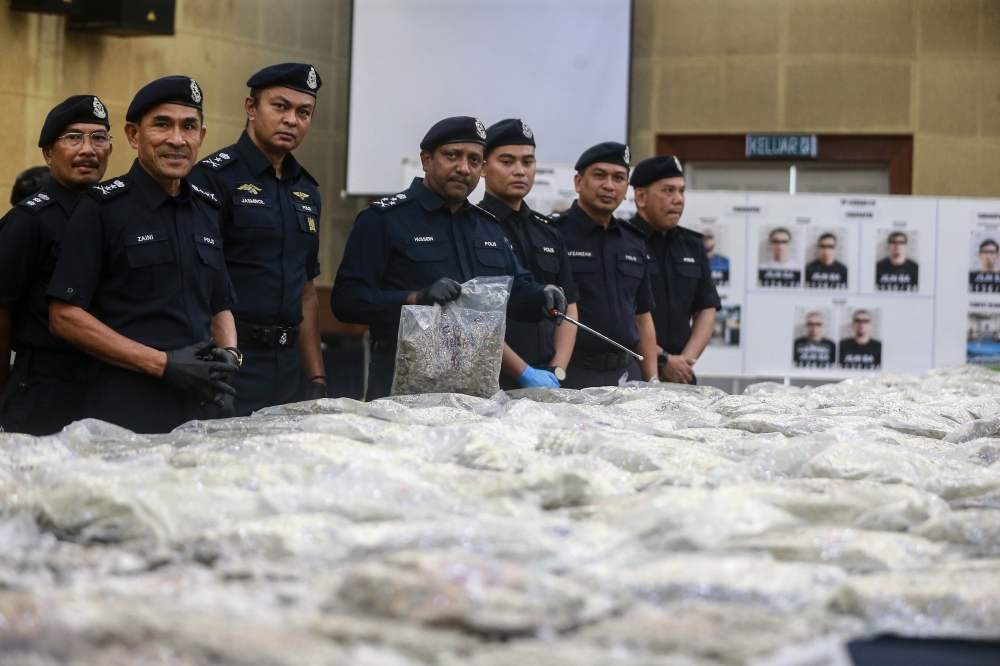
The Royal Malaysia Police have disclosed that 14 Malaysian nationals have faced arrest in countries abroad since the beginning of this year on suspicion of participating in international drug smuggling operations. The announcement, made during an official statement in Shah Alam on August 11, underscores the persistent vulnerability of Malaysia's transportation hubs to exploitation by criminal networks engaged in cross-border narcotics trafficking, a challenge that law enforcement agencies continue to grapple with despite enhanced border security measures.
The arrests represent a troubling pattern of involvement by Malaysian citizens in transnational drug trafficking schemes, many of whom appear to have utilised Kuala Lumpur International Airport (KLIA) as a transit point or departure venue for illicit substances destined for international markets. The diversity of jurisdictions in which these individuals have been apprehended suggests a sophisticated criminal enterprise with established networks spanning multiple continents, indicating that the problem extends far beyond isolated incidents of individual smugglers acting alone.
Police authorities have emphasised that these cases underscore the necessity for heightened coordination between Malaysian enforcement agencies and their international counterparts. The coordination challenges reflect broader structural issues within regional law enforcement, where information sharing protocols and joint investigative operations remain inconsistently implemented across Southeast Asia. Malaysia's position as a regional transportation hub—situated strategically between major drug-producing regions in the Golden Triangle and lucrative markets in Australia and East Asia—makes it particularly attractive to criminal syndicates seeking reliable transit routes.
The involvement of Malaysian nationals in overseas arrests raises uncomfortable questions about recruitment patterns and the economic incentives that drive participation in the drug trade. Many individuals arrested abroad have reportedly been drawn from lower socioeconomic backgrounds, where promises of quick financial returns through courier work or facilitation roles prove difficult to resist. Understanding these recruitment mechanisms becomes essential for developing prevention strategies that address root causes rather than merely pursuing reactive law enforcement responses.
KLIA's status as one of Southeast Asia's busiest international airports amplifies the enforcement complexity. The sheer volume of passengers transiting through the facility daily—combined with the sophistication of modern smuggling techniques—creates substantial investigative burdens for customs and narcotics officers. Concealment methods have evolved considerably, ranging from internal body carrying to sophisticated compartments in luggage and cargo shipments, requiring continuous investment in detection technology and specialist training.
The international nature of these arrests demonstrates that Malaysian authorities alone cannot effectively address the challenge. The coordination with foreign law enforcement agencies, whilst necessary, often occurs after criminal activities have already progressed across borders. Malaysian police have consequently advocated for earlier intervention points and intelligence sharing mechanisms that could prevent departure of suspect individuals or shipments before they leave Malaysian jurisdiction.
Regional drug trafficking networks have increasingly adapted their operations to exploit weaknesses in airport security and border control systems. The apparent success of these networks in recruiting Malaysians—and transporting narcotics through KLIA—suggests that existing deterrence mechanisms may be insufficient. Sentencing severity in destination countries, whilst often harsher than Malaysian penalties, has not deterred participation, indicating that individuals undertaking these high-risk activities may lack awareness of legal consequences or possess skewed risk assessment regarding detection probability.
The problem carries significant implications for Malaysia's international reputation and standing within regional security frameworks. Other countries increasingly scrutinise Malaysian compliance with international drug trafficking conventions and expectations regarding border control effectiveness. This scrutiny can affect diplomatic relationships and economic partnerships, creating indirect costs beyond the direct expenses associated with law enforcement operations and incarceration of returned Malaysian offenders.
Law enforcement officials have stressed that investigations into these arrested individuals continue, with particular focus on identifying higher-level organisers and financiers within Malaysia who orchestrate these smuggling operations. Courier-level arrests, whilst important for disrupting individual shipments, provide limited value unless they lead to prosecution of network leadership. The intelligence gathered from interrogations of arrested individuals has reportedly contributed to domestic investigations targeting kingpins believed to operate from within Malaysia.
Preventive measures announced by authorities include enhanced screening at KLIA, increased intelligence sharing with international partners, and community education campaigns targeting vulnerable populations susceptible to recruitment. However, enforcement officials acknowledge that such measures address symptoms rather than underlying demand for narcotics in consuming markets or the supply infrastructure within drug-producing regions. Sustainable reduction in trafficking requires engagement with demand reduction in destination countries alongside supply reduction efforts.
The sustained prevalence of Malaysian involvement in international drug smuggling reflects both the effectiveness of criminal networks in identifying and recruiting suitable operatives and the limited economic opportunities available to many Malaysians in lower-income brackets. Comprehensive responses must therefore integrate law enforcement intensification with economic development initiatives and drug awareness programmes that provide realistic alternatives to smuggling participation. Without such comprehensive approaches, the cycle of arrests overseas will likely persist regardless of enforcement intensity at Malaysian airports.

