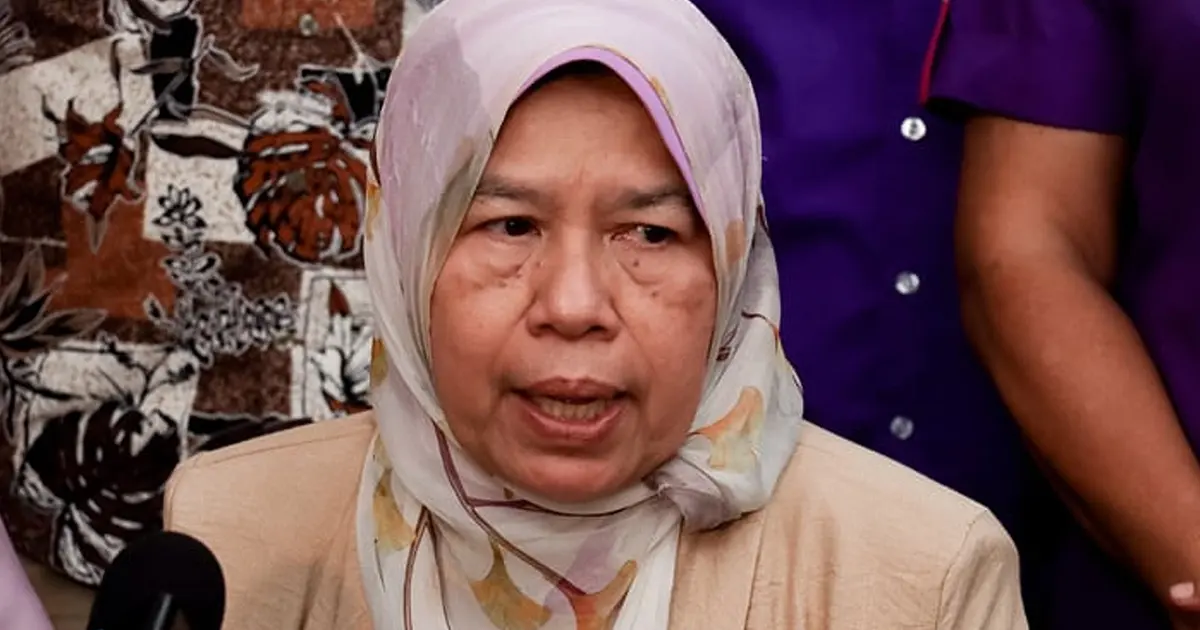
Zuraida Maktab, who previously held the position of vice-president in the People's Justice Party (PKR), has made clear her position on recent efforts to draw former members back into the fold. The politician stated unequivocally that she harbours no intention of heeding Prime Minister Anwar Ibrahim's call for party veterans to return, effectively closing the door on any possibility of reconciliation or reinstatement within the party's ranks.
Anwar Ibrahim, who currently leads both the government and PKR, has been reaching out to former party members as part of what appears to be a broader consolidation strategy within the coalition. His appeals to veterans represent an attempt to strengthen party unity and potentially rebuild institutional memory within PKR, which has experienced significant internal turbulence over recent years. However, Zuraida's categorical rejection of this overture suggests that not all former senior figures are receptive to such reunification efforts.
The refusal carries particular significance given Zuraida's seniority within PKR. As a former vice-president, she occupied one of the party's highest positions and would typically represent exactly the calibre of experienced member that Anwar's campaign is intended to attract. Her firm stance therefore signals that the rift between certain former leaders and the current party direction may run deeper than simple political convenience or grievance, pointing instead to fundamental differences in vision or principle.
Zuraida's departure from PKR and her subsequent decision to remain outside the party reflects broader patterns of fragmentation within Malaysia's opposition and government-aligned coalitions. The political landscape has seen numerous instances of senior figures leaving established parties to form new vehicles or join rival organisations, often citing philosophical disagreements or differences in leadership direction. Her case exemplifies how even determined efforts by current party leadership to restore unity cannot overcome deeply rooted reservations among some former members.
The timing of Anwar's outreach to party veterans coincides with a period of consolidation within the government coalition and PKR's position within it. By attempting to strengthen internal cohesion and draw back experienced hands, the Prime Minister appears to be addressing perceived weaknesses in organisational capacity or ideological coherence. Yet the reception his appeals receive from figures like Zuraida provides a reality check on the extent to which such gestures can reverse prior departures or mend significant ruptures.
From a broader Malaysian political perspective, Zuraida's stance underscores the importance of individual agency within party politics. Senior figures retain considerable discretion in determining their political futures, and invitations from top leadership do not automatically translate into acceptance, particularly when prior relationships have been strained or when members have developed independent political trajectories outside their original parties.
The rejection also highlights the challenge facing PKR in maintaining organisational coherence amid generational shifts and personality-driven politics. Retaining and reclaiming senior talent has become increasingly difficult as Malaysian politicians have grown more willing to shop around for political homes that offer better prospects or alignment with their personal ambitions. This fluidity characterises Malaysian politics across the spectrum, complicating efforts to build durable institutional structures.
Zuraida's current political standing and her reasons for declining the invitation remain important context. Politicians who have successfully established themselves outside their original parties often find little incentive to return, particularly if their previous departure represented a significant break or if they have built meaningful alternative roles. Her unwillingness to consider Anwar's call suggests she views her current position and circumstances as preferable to renewed involvement with PKR.
For PKR specifically, the unsuccessful effort to bring back Zuraida represents a setback in what appears to be a concerted strategy to strengthen the party ahead of potential challenges. Whether these challenges relate to internal factionalism, external political competition, or broader coalition dynamics remains implicit in the available reporting, but the party's inability to convince a former vice-president to return suggests limits to the appeal of its current direction or Anwar's leadership among departing veterans.
The broader implication for Malaysian politics is that party consolidation and leadership turnover often leave permanent marks on organisational cultures and member loyalty. Once senior figures depart, particularly under contentious circumstances, their return becomes complicated by questions of pride, political positioning, and substantive disagreements. Anwar's appeal to veterans, while strategically sound, encounters the reality that some departures represent definitive breaks rather than temporary absences.
Government stability and coalition coherence in Malaysia have frequently hinged on the personal relationships and organisational loyalty of senior figures. Zuraida's refusal to rejoin PKR, despite the Prime Minister's personal entreaties, suggests that even executive-level persuasion has limits when faced with determined individuals who have moved on to other political commitments. This dynamic will likely continue shaping Malaysian coalition politics as the nation navigates ongoing political evolution.

