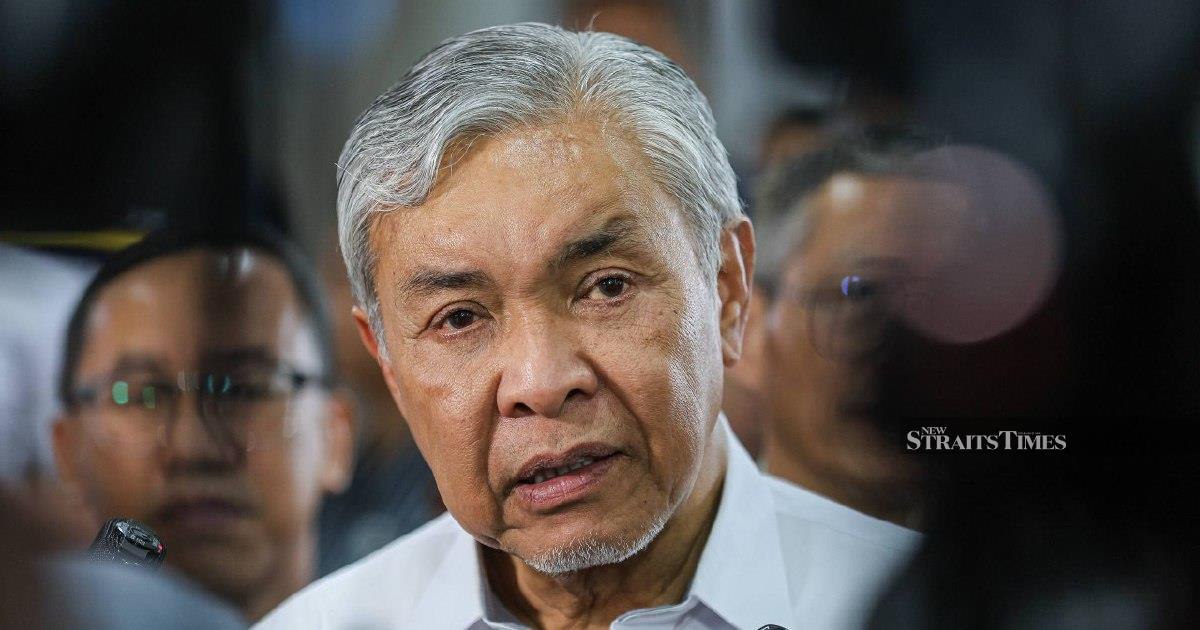
Barisan Nasional is preparing to shift into campaign mode for the Negri Sembilan state election, with party chairman Zahid Hamidi set to formally launch the coalition's election operations and introduce its complete slate of candidates tomorrow night. The event represents a critical juncture for the long-established political alliance, which has historically dominated Malaysian politics but faces a more fragmented electoral landscape in recent years.
The timing of the campaign launch signals BN's intention to consolidate support across the state before voting takes place. Negri Sembilan, strategically positioned in the western corridor of Peninsular Malaysia, remains an important battleground where the coalition seeks to maintain and expand its legislative presence. The formal unveiling of candidates typically serves as a rallying point for party machinery, allowing grassroots operatives and supporters to mobilize around specific personalities and campaign messages.
Zahid's direct involvement in the event underscores the national significance BN places on the Negri Sembilan contest. As party chairman, his participation lends weight to proceedings and reflects the coalition's commitment to contesting aggressively. The candidate announcement will provide voters with clarity on who will represent BN in each state constituency, a necessary precondition for launching effective ground campaigns across multiple electoral divisions.
For Malaysian political observers, such state-level elections serve as important indicators of shifting voter preferences and coalition strength between federal contests. Negri Sembilan offers a useful test case for measuring whether BN can retain support among traditional constituencies while adapting to newer demographic patterns and electoral demands. The composition of the candidate lineup may reveal how BN intends to balance experience with fresh perspectives.
The broader significance extends across Southeast Asia, where coalition-based politics face similar pressures globally. Malaysia's complex ethnic and religious composition has historically required multi-party alliances to govern effectively, and BN's approach to candidate selection and campaign strategy provides insights into how established political structures adapt to competitive pressures.
Candidates unveiled during such launches often become focal points for local media coverage and community engagement. Voters gain the opportunity to assess the qualifications and backgrounds of those seeking office, while candidates benefit from the publicity surrounding an official national launch. This double exposure amplifies the event's importance in shaping early campaign narratives.
BN's election machinery encompasses extensive organizational networks spanning party divisions, community associations, and aligned non-governmental organizations. Formal activation of this apparatus involves coordinating messaging, deploying resources strategically across constituencies, and ensuring operational readiness among party officials and volunteers. The tomorrow night event will kick-start these comprehensive mobilization efforts.
Negri Sembilan's particular characteristics as a state—including its demographics, economic composition, and historical political patterns—will likely influence both the candidate selection and campaign strategy BN unveils. The state's mix of urban, semi-urban, and rural constituencies creates distinct electoral challenges that the coalition must navigate systematically.
The candidate lineup announcement carries implications for party dynamics within BN itself. The coalition comprises multiple component parties, each with legitimate claims to certain constituencies and positions. How these internal negotiations translate into the final candidate slate reflects the relative strength and negotiating power of member parties, offering insights into coalition cohesion and prospects.
For Negri Sembilan residents and registered voters, tomorrow night marks the beginning of the campaign season proper. The formal launch transforms what may have been behind-the-scenes political activity into a public spectacle with clear messaging and defined participant roles. This transition from preparation to active campaigning typically increases political visibility and voter engagement across the state.
The event also signals broader party positioning as Malaysia approaches its next federal elections. Performance in state-level contests influences momentum, morale, and narrative strength heading into higher-stakes national contests. BN will likely leverage the Negri Sembilan campaign to demonstrate organizational vitality and voter relevance, countering any perception of decline or irrelevance that critics have occasionally promoted.
Observers will scrutinize not only the candidate lineup but also the messaging and thematic emphasis Zahid and other senior leaders employ during the launch. Whether BN emphasizes development achievements, economic management, stability, or other priorities will signal the coalition's assessment of voter concerns and its strategic approach to the contest. Such rhetoric often provides valuable insight into how established coalitions perceive their competitive position.

