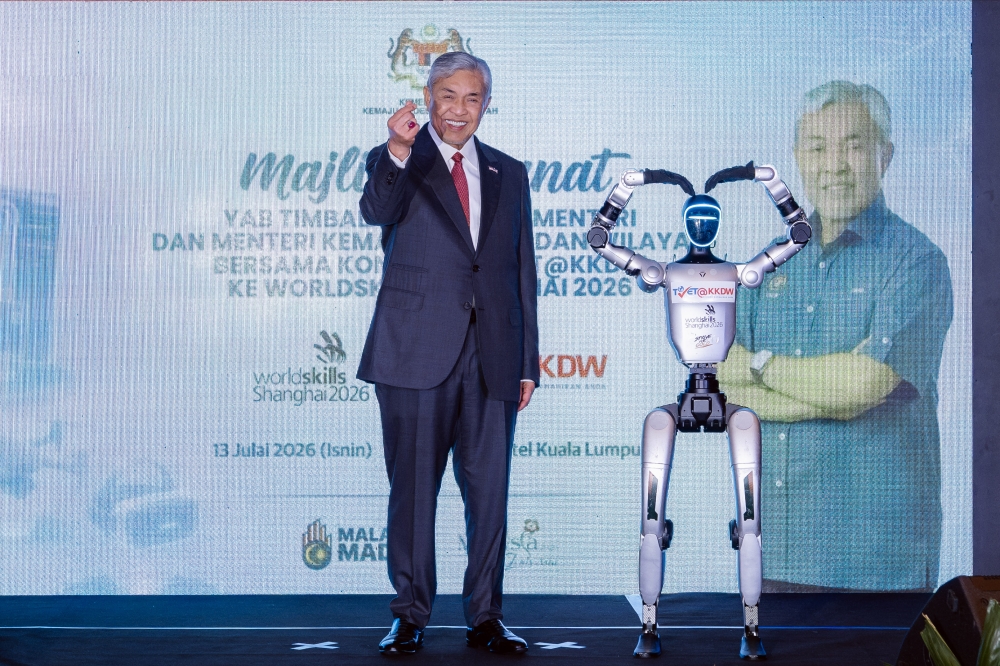
Deputy Prime Minister Datuk Seri Dr Ahmad Zahid Hamidi has sought to ease mounting concerns about the stability of Malaysia's ruling coalition by downplaying remarks from a senior government figure who recently threatened to step down. Speaking in Kuala Lumpur on July 13, Zahid suggested that the tensions surfacing within the Unity Government are nothing more than normal internal discourse among coalition partners and should not be interpreted as a fundamental threat to the administration's cohesion or longevity.
The deputy premier's measured response comes amid wider speculation about cracks within the ruling alliance that brings together Barisan Nasional, Pakatan Harapan, and smaller coalition members. Rather than treating the resignation threat as a serious development, Zahid opted to reframe the matter as merely reflecting the healthy give-and-take expected in any multi-party government arrangement. His approach suggests the leadership remains confident in the coalition's ability to withstand periodic disagreements without unraveling.
Zahid's personal emphasis that the individual involved remains his friend underscores an attempt to separate personality from policy. This distinction carries significance in Malaysian politics, where factional tensions can quickly escalate into public disputes that damage institutional credibility. By characterizing the relationship as intact on a personal level, Zahid appears to be signaling that disagreements remain manageable and do not reflect irreparable damage to the broader coalition structure.
The deputy PM's comments reflect a broader strategy by the government's senior leadership to project calm and continuity at a time when Malaysia's political dynamics remain fluid. The Unity Government, formed after the 2022 general election, represented a historic realignment bringing together traditionally opposing factions. This unprecedented arrangement has required careful management to prevent any single triggering incident from destabilizing the entire structure. Coalition partners have learned through experience that public displays of unity matter considerably for investor confidence and public perception.
For Malaysian readers and the broader region, the implications extend beyond mere domestic politics. A government in perceived crisis tends to lose momentum on critical policy initiatives, from infrastructure projects to economic reforms. International observers monitor coalition stability closely when assessing Malaysia's ability to execute medium-term development plans and maintain economic predictability. Any significant fracturing of the ruling alliance could affect everything from budget implementation to the pace of digital transformation initiatives.
The tension within the coalition also reflects deeper ideological and strategic differences that have not been entirely resolved through the unity arrangement. Partners bring competing visions about governance priorities, resource allocation, and the trajectory of Malaysian politics. These underlying tensions periodically surface, particularly when individual leaders feel sidelined or when decisions favor one coalition component over another. Zahid's intervention attempts to prevent such moments from escalating into full-blown crises that would dominate public discourse and undermine policy implementation.
From a Southeast Asian perspective, Malaysia's political stability carries regional importance. As one of the region's larger economies and a country with significant geopolitical significance, internal instability can ripple across the broader landscape. Neighboring countries and international partners prefer dealing with governments that demonstrate coherence and predictability. The Unity Government's ability to maintain internal discipline, even while accommodating diverse viewpoints, has become a barometer for Malaysia's broader institutional resilience.
Zahid's downplaying of the resignation threat also reflects confidence in the personal political standing of both parties involved. In Malaysian politics, threats of resignation often carry more weight when issued by figures with limited alternatives or diminishing influence. Senior leaders with substantial support bases and clear political futures can make such threats knowing the broader coalition has strong incentive to retain them. The deputy PM's response suggests he views the situation through this lens—as manageable precisely because both sides have sufficient stakes in maintaining the coalition's functionality.
The timing of these tensions deserves consideration as well. Coalition governments often experience periodic stress points as different partners jostle for position ahead of budgetary allocations, ministerial appointments, or strategic policy decisions. The Unity Government has now navigated over two years of joint governance, and such friction points have become increasingly routine rather than exceptional. Leadership has developed better mechanisms for containing such disputes and preventing them from becoming existential threats to the arrangement.
Moving forward, the cohesion of the Unity Government will likely continue to depend on its ability to deliver tangible results for Malaysians. Voters ultimately care less about the philosophical harmony between coalition partners and more about whether the government can improve their living standards, create employment opportunities, and provide functional public services. As long as the coalition can point to concrete achievements—whether in infrastructure, education, healthcare, or economic growth—internal tensions remain politically manageable.
Zahid's remarks ultimately seek to establish a narrative where disagreements reflect coalition maturity rather than weakness. A government where no one ever voices concerns might appear unified on the surface but would likely harbor resentments that eventually explode. A coalition that can accommodate differing viewpoints while maintaining forward momentum demonstrates a more resilient and sustainable model. Whether the Unity Government can sustain this balance through the coming years will significantly influence not only Malaysia's political future but its capacity to compete effectively within the region.

