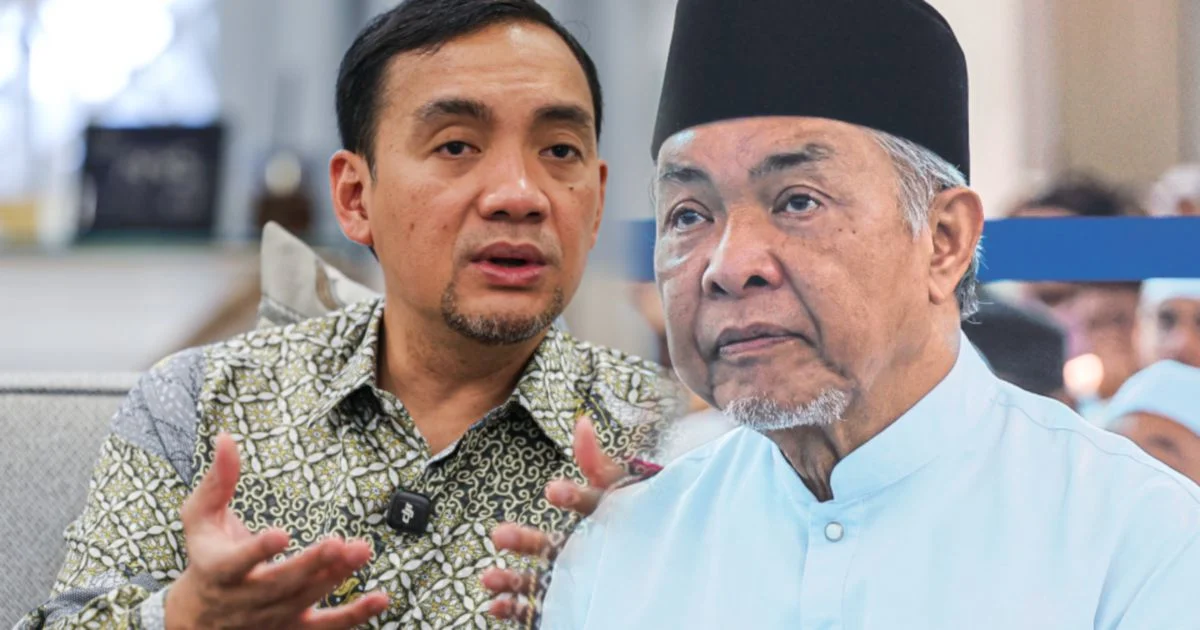
Deputy Prime Minister Datuk Seri Zahid Hamidi has dismissed reports suggesting that caretaker Johor Menteri Besar Datuk Onn Hafiz Ghazi faces restrictions on his movements within Federal Land Development Authority (Felda) settlements, stating categorically that no such directives have been circulated.
The clarification comes at a sensitive juncture in Johor's political calendar, as the state prepares for elections that will determine the composition of its legislature and executive. The timing of such denials often reflects underlying tensions within political coalitions, particularly regarding campaign access and the treatment of rival politicians during electoral contests. Felda settlements represent significant voting blocs throughout Johor, making access to these communities strategically important for any political player seeking electoral relevance.
Felda, established as a rural development scheme, comprises numerous settlements across Malaysia where land-based farming communities are concentrated. These areas have historically served as important constituencies for both Barisan Nasional and opposition parties. The scale of Felda's electoral influence in Johor cannot be overstated, as the organization's beneficiary communities collectively represent hundreds of thousands of registered voters spread across multiple parliamentary and state legislative districts.
Onn Hafiz's position as caretaker Menteri Besar places him in an unusual political circumstance. Caretaker administrations typically operate under constraints designed to maintain governmental neutrality pending electoral outcomes, yet they must simultaneously fulfill administrative responsibilities. The question of whether a caretaker leader can freely campaign in certain constituencies or communities touches upon the delicate balance between incumbent advantage and electoral fairness. Zahid's statement appears to address concerns that such neutrality arrangements might have been weaponized to limit Onn Hafiz's political activities.
The relationship between the Deputy Prime Minister and the Johor leadership carries significant weight within Umno's internal hierarchy. Zahid's intervention in clarifying this matter suggests that questions about fair treatment during the caretaker period may have escalated to senior party leadership. His public statement serves multiple purposes: it protects the caretaker administration from accusations of unfair practices, safeguards Umno's institutional credibility, and reinforces party cohesion during an election period when unity becomes essential.
Felda communities possess distinct characteristics that differentiate them from urban or conventional rural constituencies. Land ownership within Felda settlements typically comes with specific conditions and benefits tied to federal development programs, creating a direct relationship between settlers and the federal government. Politicians seeking support in these areas must navigate not only traditional electoral competition but also administrative relationships and programme implementation records. Access to such communities during campaigns therefore assumes elevated importance.
The denial itself raises questions about how such restrictions might have been proposed or implemented in the first place. Electoral conduct regulations and caretaker conventions ordinarily remain under the purview of the Election Commission and state administrations, though informal pressure or coordination between officials could achieve similar effects without explicit written instructions. By specifically stating that no instructions have been issued, Zahid effectively preempts any suggestion that bureaucratic mechanisms were being manipulated to constrain Onn Hafiz's campaign movements.
Malaysia's political environment has increasingly witnessed debates about the appropriate boundaries of caretaker responsibilities versus campaign activities. Johor's electoral cycle adds another layer of complexity given the state's significance within the Malay-majority Peninsular politics and its economy. Previous elections in the state have demonstrated that Felda support remains volatile and responsive to both material benefits and perceived political fairness, making campaign access to these communities genuinely consequential for electoral prospects.
The intervention by the Deputy Prime Minister also signals Umno's determination to maintain institutional discipline and prevent intra-party disputes from becoming public knowledge that could damage electoral performance. By providing an authoritative clarification early in the process, Zahid potentially forestalls escalating complaints that could consume attention and resources better deployed toward winning votes. This approach reflects sophisticated party management during competitive electoral periods.
For Malaysian voters and particularly those within Felda communities, Zahid's statement carries implications regarding the character of the forthcoming campaign. It ostensibly guarantees that electoral competition will proceed on relatively equal footing for major contestants, at least concerning basic access to campaigning locations. The assurance matters for the perceived legitimacy of electoral outcomes and for maintaining voter confidence in democratic processes. Whether formal statements alone suffice to ensure compliance with such principles, however, remains a persistent question in Malaysian electoral contests.

