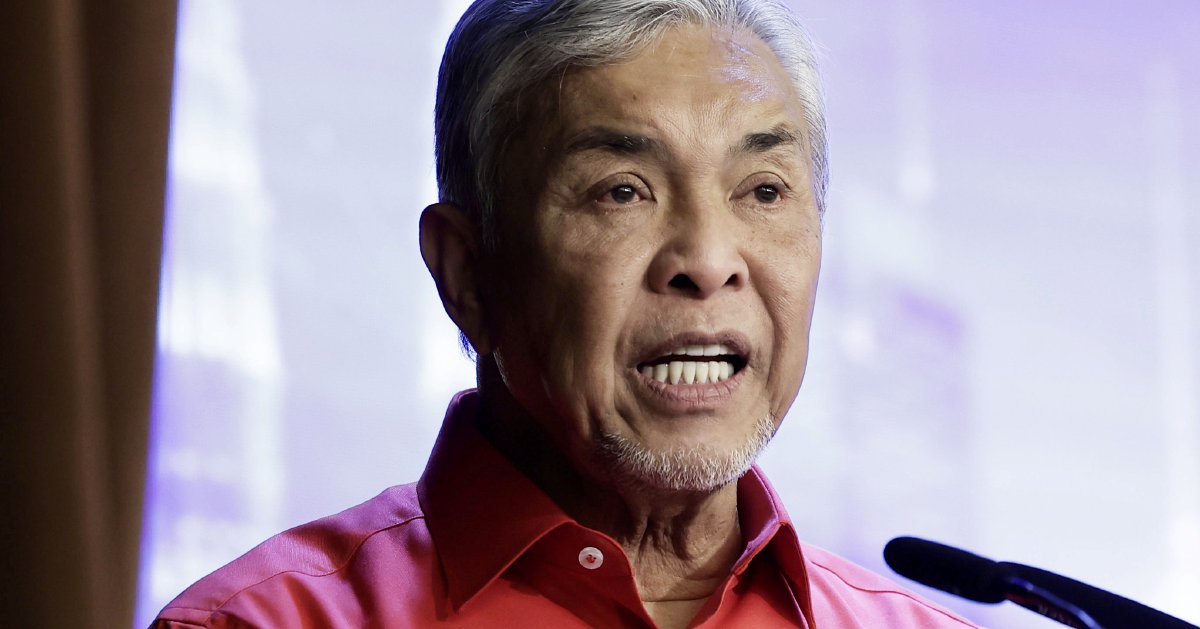
Deputy Prime Minister Datuk Seri Dr Ahmad Zahid Hamidi has publicly appealed for greater responsibility in public discourse surrounding Lembaga Tabung Haji (TH), urging stakeholders to refrain from promoting allegations and perceptions that lack factual basis. His call reflects growing concern about the reputational challenges facing the Islamic pilgrimage savings fund, which manages deposits from over 9 million Malaysian Muslims saving for the Hajj.
The timing of Zahid's intervention underscores the sensitivity surrounding TH's institutional standing. The fund has faced sustained scrutiny following earlier financial difficulties, including operational challenges and calls for enhanced governance frameworks. Public confidence in such institutions remains crucial for their long-term viability, particularly when deposits represent deeply personal savings tied to religious obligations and family aspirations.
Zahid's remarks suggest that current discourse around TH has become increasingly polarized, with speculation and unverified claims potentially damaging the organization's credibility beyond its actual operational performance. This phenomenon reflects a broader challenge facing Malaysia's major institutions in an era of rapid information dissemination, where rumors and impressions can circulate as readily as verified facts.
The Deputy Prime Minister's position carries particular weight given his role in government oversight and his previous engagement with institutional reform efforts. His appeal essentially frames irresponsible commentary not merely as unfair criticism but as counterproductive to genuine accountability and improvement. When substantive concerns become mixed with baseless allegations, legitimate reform discussions risk becoming obscured.
TH's significance extends beyond financial management to its role as a religious and cultural institution embedded in Malaysian Muslim life. The fund operates under unique mandate combining commercial banking functions with sacred trust responsibilities, making it susceptible to heightened public expectation and scrutiny compared to ordinary financial entities. When millions of working-class Malaysians entrust their modest savings to TH, the psychological and spiritual dimensions transcend typical financial relationships.
Public trust in TH has demonstrated resilience despite earlier controversies, with the fund maintaining its deposit base and continuing to facilitate pilgrimages. However, perception management remains essential, as negative sentiment—whether factually grounded or not—can influence withdrawal decisions and undermine the long-term stability that accumulated deposits provide. This dynamic creates pressure for both transparent governance and responsible public communication.
The challenge for TH management involves addressing legitimate concerns through substantive action while simultaneously countering misinformation. Zahid's call implicitly acknowledges that TH cannot tackle reputational damage through defensive posturing alone, instead requiring broader societal commitment to factual accountability. This suggests official recognition that institutional reform and public relations must advance simultaneously.
Southeast Asian financial institutions increasingly face similar credibility pressures, particularly those managing collective savings across Muslim-majority populations. The broader regional context indicates that maintaining public confidence requires both demonstrable operational improvements and active counter-messaging against unfounded claims. Malaysia's experience with TH offers lessons applicable across the Islamic financial sector throughout the region.
Zahid's intervention also hints at internal government discussions about TH's future direction and the political dimensions of institutional management. When senior officials make explicit calls for restraint in public discourse, it typically reflects recognition that current narrative patterns are creating governance complications. The statement may serve partly as signal to government supporters and media allies regarding desired tone in official discourse.
Moving forward, the effectiveness of Zahid's appeal depends on parallel initiatives to enhance TH's operational transparency and address documented concerns. Public calls for factual discourse ring hollow without corresponding institutional actions demonstrating responsive governance. TH would benefit from proactive communication strategies that provide regular operational updates, address common concerns preemptively, and engage directly with pilgrims and account holders.
For Malaysian Muslims managing TH savings, the equation remains straightforward: genuine trust requires both trustworthy institutional performance and honest acknowledgment of challenges where they exist. Zahid's position essentially advocates for replacing perception-driven debate with evidence-based discussion, a reasonable position that simultaneously demands TH demonstrate through action why such trust remains warranted.
The broader implication of Zahid's remarks extends to public discourse standards within Malaysia more generally. As institutional credibility faces challenge across multiple sectors, the distinction between legitimate criticism and baseless allegation becomes increasingly important for maintaining functional democratic institutions. His call reflects recognition that excessive noise obscures genuine accountability concerns, ultimately weakening rather than strengthening institutional oversight.

