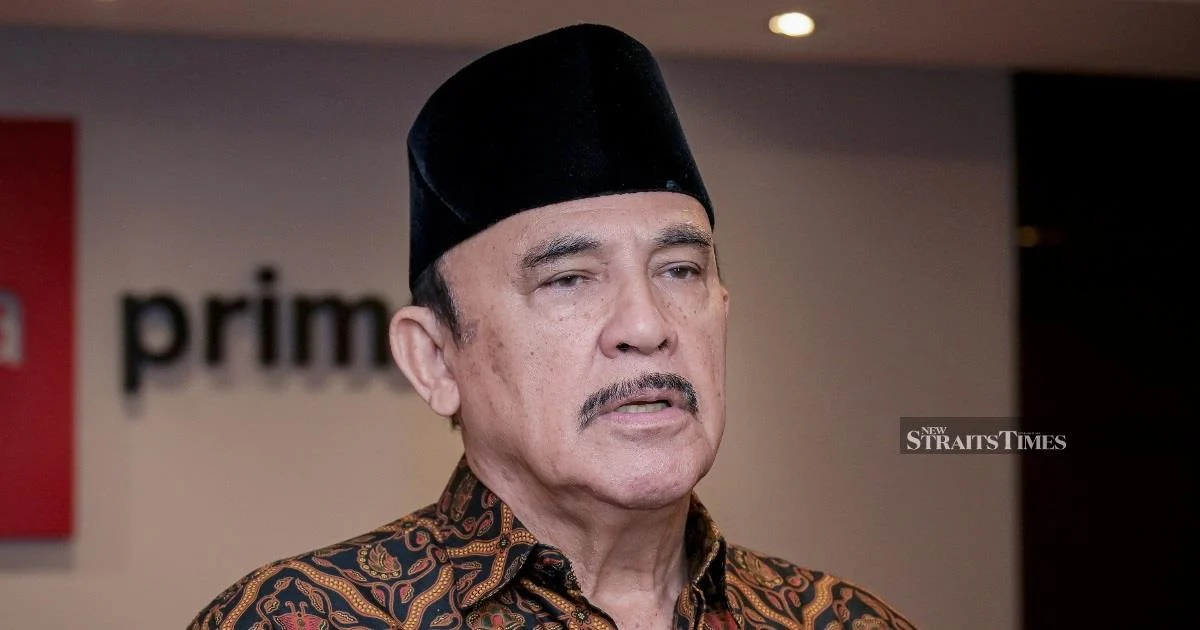
Respected film producer Datuk Yusof Haslam has chosen discretion over commentary regarding actress Tisha Shamsir's escalating legal predicament, sidestepping potential controversy by allowing Malaysia's court system to proceed without his intervention or public pronouncement. The acclaimed filmmaker's measured stance reflects industry protocol when peers face serious allegations, particularly those involving controlled substances, which carry significant stigma and legal jeopardy in Malaysian society.
Shamsir's situation emerged after authorities apprehended her at an entertainment establishment in Kuala Lumpur, where she tested positive during a drug screening procedure. This development thrust the accomplished performer into a criminal justice process that will likely dominate media discourse for months ahead. The case underscores persistent challenges within Malaysia's creative industries, where substance-related incidents occasionally ensnare prominent figures despite the sector's generally professional standards.
Haslam's characteristically diplomatic response—suggesting that "everyone makes mistakes"—signals compassion without endorsement, a delicate rhetorical balance that allows him to acknowledge human imperfection while respecting both legal proceedings and societal expectations. His decision to refrain from elaborate commentary or public advocacy reflects the complex position occupied by veteran industry figures who maintain professional relationships across competing interests and institutional loyalties.
The producer's reluctance to dominate the narrative around Shamsir's case illustrates how Malaysia's entertainment establishment navigates crises differently from Western counterparts. Here, senior figures typically maintain studied neutrality in publicised legal disputes, recognising that premature commentary—whether supportive or critical—can inadvertently prejudice proceedings or inflame public opinion. This institutional restraint, rooted partly in cultural norms around hierarchy and respect for authority, shapes how industry leaders respond to scandals involving their peers.
Shamsir's predicament carries professional ramifications extending beyond immediate criminal liability. Malaysian audiences and production companies closely monitor legal entanglements involving performers, and convictions can substantially diminish future employment prospects regardless of eventual rehabilitation or reputation management efforts. The entertainment sector, while generally progressive compared to other Malaysian institutions, remains sensitive to moral narratives that resonate with conservative constituencies within the broader viewing public.
Haslam's filmography and production legacy position him as an elder statesman within Malaysia's creative industries, lending weight to his carefully chosen words. His acknowledgment of universal human frailty, while seemingly generic, communicates something meaningful to both supporters and critics of Shamsir—namely, that legal trouble need not define a person's entire identity or future. Yet simultaneously, his deference to the court system respects the seriousness of drug-related charges under Malaysian law, where penalties remain comparatively stringent.
The case also illuminates broader questions about celebrity responsibility and public conduct in Malaysia. Unlike jurisdictions where substance use receives greater social tolerance, Malaysia maintains relatively conservative drug policies informed by Islamic principles embedded in the federal constitution. For public figures, this context means that even recreational drug use carries exponentially higher reputational and legal consequences than in neighbouring secular democracies or Western nations.
Haslam's generation of filmmakers built Malaysia's entertainment infrastructure during periods of significant social and political constraint, cultivating professional approaches emphasising discretion, protocol, and institutional respect. His response pattern reflects those formative influences, suggesting that older industry figures prioritise preserving institutional credibility over individual advocacy, even for people they may know personally or professionally. This institutional conservatism has both protective and limiting dimensions for industry personnel facing crisis.
The producer's statement also implicitly acknowledges that Malaysian courts will ultimately determine Shamsir's culpability and appropriate sanctions. This recognition of judicial authority—expressed through his willingness to allow proceedings to unfold without interference or commentary—underscores the formal separation between entertainment and legal spheres that Malaysian institutions maintain, albeit imperfectly. Celebrity status, while conferring obvious advantages, does not translate into exemption from legal processes or judicial scrutiny.
Shamsir's case, unfolding within this complex institutional landscape, will likely test Malaysian society's capacity for nuance regarding rehabilitation versus punishment. Whether creative peers, audiences, and production entities ultimately demonstrate clemency toward performers who experience legal jeopardy for substance-related matters remains an open question. Haslam's measured compassion, combined with his respect for legal processes, models a potentially constructive approach that neither condemns nor excuses, instead trusting institutions to function appropriately while acknowledging that people are capable of redemption.
The coming months will reveal whether this balanced institutional response—exemplified by Haslam's public posture—characterises broader industry reactions to Shamsir's situation or whether more partisan positions emerge. What seems certain is that the actress faces a genuinely consequential legal process that extends far beyond immediate criminal liability, touching on employment prospects, professional relationships, and public perception within Malaysia's still-evolving entertainment ecosystem.

