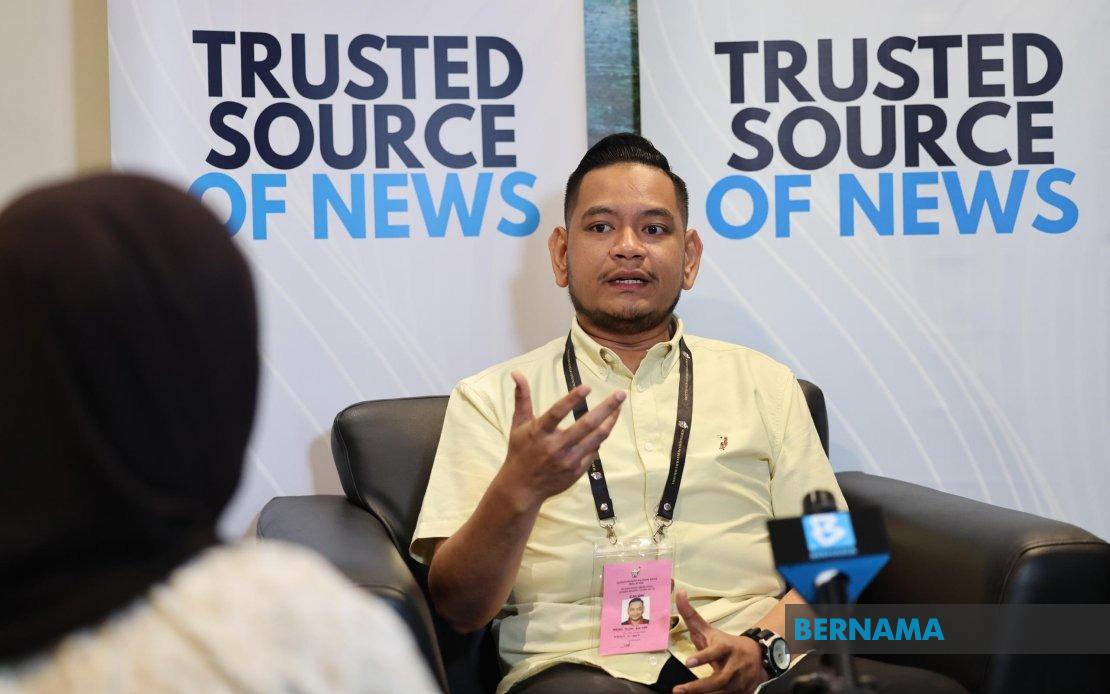
In an intriguing gambit ahead of Johor's state election on July 11, Pakatan Harapan's Sedili candidate Amirul Huzni is leaning into his relative youth and political newcomer status rather than attempting to match the experience of his opponents. The 29-year-old Amanah Youth chief faces a formidable challenge in the traditionally Barisan Nasional-held constituency, where his rivals include incumbent Muszaide Makmor and former Sedili assemblyman Rasman Ithnain, who has represented the seat across three separate terms and now runs under the Perikatan Nasional banner.
Amirul Huzni's strategic framing of inexperience as an electoral advantage reveals an increasingly common pattern among younger candidates in Malaysian politics: the positioning of generational renewal against the perceived staleness of established political figures. By characterising himself as a "blank canvas" unburdened by past failures or unfulfilled promises, the Amanah Youth leader suggests that voters in Sedili may be receptive to candidates offering a break from conventional political narratives. This approach particularly resonates with constituencies undergoing demographic shifts toward younger, more digitally engaged electorates.
The Sedili contest serves as a microcosm of broader tensions within Malaysian electoral politics, where personality-driven campaigns increasingly challenge the traditional dominance of incumbency and party machinery. Amirul Huzni's acknowledgement that he lags substantially behind his opponents in what he terms "traditional influence" signals realistic self-assessment. Nevertheless, his framing transforms this disadvantage into a narrative strength: if the contest ultimately hinges on who wins rather than accumulated political credentials, then every candidate enters on equal footing on polling day itself.
Central to Amirul Huzni's campaign platform is a notably concrete and locally grounded priority: the construction of a fuel station in Sedili. This focus distinguishes his approach from broader policy pronouncements that often characterise state election campaigns. According to his account, the site has been identified and land cleared for over a year, yet the project remains unexecuted—a common frustration for communities awaiting infrastructure development. By anchoring his candidacy to this single, tangible objective, Amirul Huzni sidesteps the risk of overcommitting to initiatives beyond the scope of state-level authority while addressing a genuine need that would particularly benefit the local fishing and angling communities.
The decision to eschew expansive campaign promises in favour of achievable, community-centric objectives reflects lessons learned across multiple Malaysian election cycles. Voters increasingly evaluate candidates on their ability to deliver incremental improvements to daily life rather than transformative policy agendas. The fuel station thus becomes emblematic of Amirul Huzni's entire candidacy: tangible, measurable, and directly responsive to expressed local needs rather than ideological aspirations.
Amirul Huzni's insistence on conducting his campaign in a "mature and respectful manner" while explicitly engaging with opponents demonstrates an evolving consciousness about electoral conduct in Malaysia. His stated commitment to preserving community harmony even amid electoral competition reflects a recognition that constituencies must continue functioning as cohesive social units after votes are counted. This maturity in framing, paradoxically, strengthens rather than weakens his candidacy among voters fatigued by vituperative campaign rhetoric.
The Sedili seat represents a particularly significant battleground within the Johor electoral landscape. As a BN stronghold, any substantial inroads by PH would signal shifting dynamics within the state's political economy. The presence of a PN candidate—itself a relatively recent phenomenon in Malaysian politics—further fragments the opposition narrative. Amirul Huzni's campaign must navigate not merely traditional left-right political positioning but the three-way triangulation characteristic of contemporary Malaysian electoral contests.
For Amanah specifically, the Sedili contest carries additional weight. The party has positioned itself as a centrist force within the broader PH coalition, and the performance of its candidates in traditional BN strongholds will substantially influence its credibility and resource allocation in future elections. A respectable showing by Amirul Huzni, even in defeat, could validate Amanah's strategy of fielding younger, locally embedded candidates in challenging constituencies.
The early voting scheduled for July 7, preceding the main polling on July 11, introduces an additional variable into campaign dynamics. Voters casting ballots before nomination day celebrations often represent engaged segments of the electorate, potentially favouring candidates with demonstrable policy specificity and community rootedness. Amirul Huzni's emphasis on the fuel station project potentially resonates more powerfully with such voters than broader partisan appeals.
Amirul Huzni's campaign ultimately embodies a generational inflection point within Malaysian politics. Whether voters in Sedili ultimately prioritise fresh perspective and concrete local initiatives over accumulated political experience and party machinery will yield insights applicable across multiple constituencies. His candidacy tests whether political inexperience can genuinely constitute electoral strength, or whether Malaysian voters continue to reward the institutional knowledge and networks that experience provides.
The Sedili contest also reflects broader Southeast Asian patterns in which younger candidates increasingly challenge establishment politics. Regional democracies from Thailand to Indonesia have witnessed generational tensions in electoral competition, with youth-oriented candidates leveraging anti-establishment sentiment and perceived openness to newer governance models. Should Amirul Huzni perform creditably in a BN stronghold, it may signal that Malaysian voters share regional inclinations toward younger political representations.
Ultimately, the outcome in Sedili will likely depend less on abstract generational appeals and more on whether Amirul Huzni's specific focus on local infrastructure delivery—the fuel station—resonates more powerfully with voters than the institutional networks and historical mandates of his opponents. This contest represents less a simple clash between youth and experience than a fundamental question about what constitutes political legitimacy in contemporary Malaysia.

