Amid the endless stream of wellness content flooding social media—from fitness influencers to diet fads and longevity hacks—a troubling medical consensus is emerging from major research institutions worldwide. Young people today are exhibiting biological markers of ageing that far exceed what doctors would expect for their chronological age, contradicting the widespread belief that current generations are healthier and better-informed than their predecessors.
Researchers at Washington University in the United States have documented a significant disparity between how old people's bodies actually are biologically and how many years they have lived. This gap, according to the institution's findings published recently, carries profound health implications. The wider this discrepancy—between biological age and chronological age—the greater the risk of developing serious diseases like cancer, even in younger individuals who might otherwise consider themselves in the prime of health.
The research presents a sobering pattern: younger generations display larger age gaps than their older counterparts, a phenomenon that researchers suggest helps explain the dramatic rise in early-onset cancers across multiple demographics. This is not merely a matter of lifestyle choices or delayed health consequences. Rather, younger cohorts appear to be experiencing fundamental changes in how their cellular and organ systems function relative to their actual age.
The Washington University team identified specific connections between accelerated ageing in particular organ systems and heightened cancer vulnerability. For instance, an immune system that appears biologically older than it should be has been linked to early-onset lung cancer in younger patients. Similarly, prematurely aged fat tissue in the body correlates with the troubling global increase in colorectal cancer among younger adults—a disease previously considered primarily a concern for older populations.
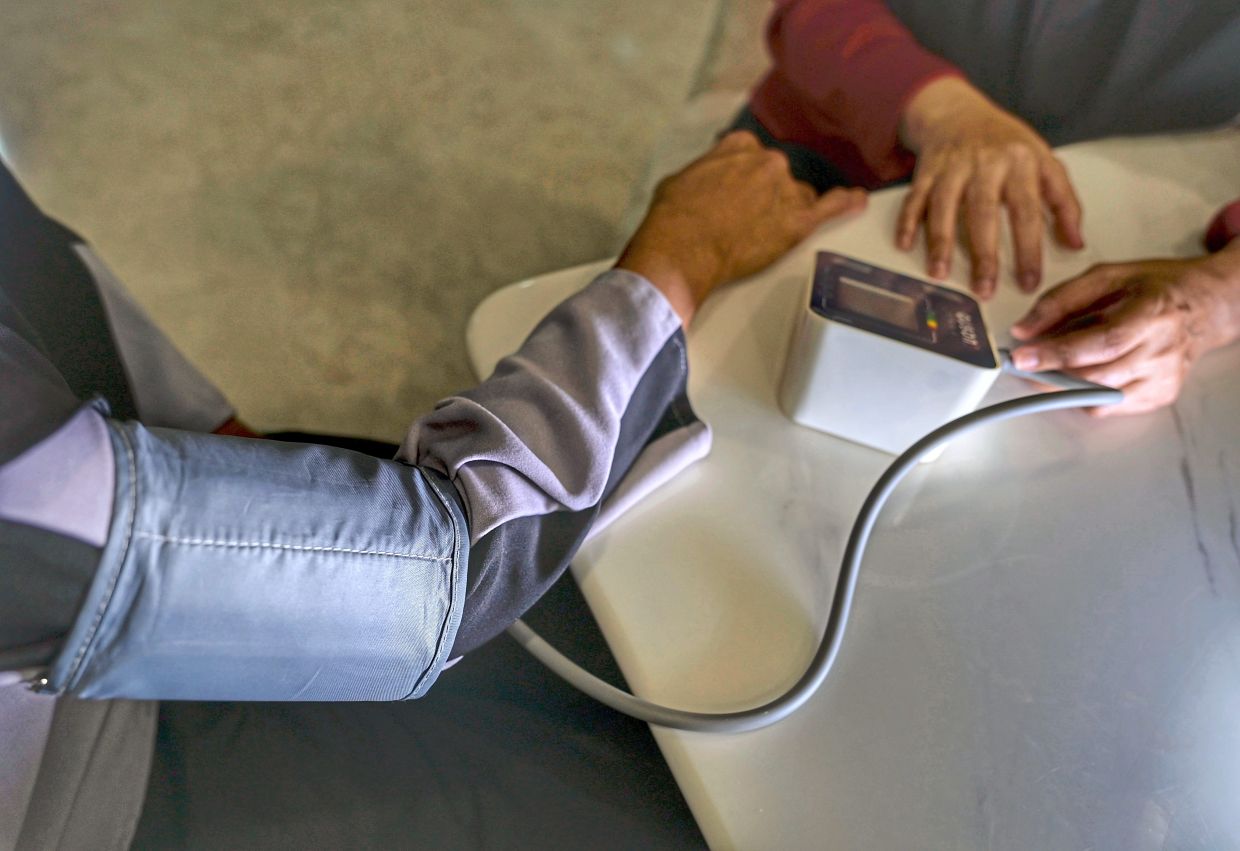
These findings align with warnings from other leading medical institutions. The Mayo Clinic recently emphasised that hypertension, conventionally understood as a disease of ageing, sedentary lifestyles, and metabolic dysfunction, can now manifest at virtually any age. The global prevalence of high blood pressure among people in their twenties, thirties, and forties has risen markedly in recent years, defying historical patterns. Some younger individuals carry genetic predispositions to hypertension that may remain undetected because they appear otherwise healthy and fit the conventional profile of low-risk patients.
The consequences of untreated high blood pressure are particularly severe for younger people who may dismiss early warning signs. Beyond the immediate cardiovascular risks—heart attack, heart failure, and stroke—chronic hypertension in younger populations can trigger kidney damage, vision problems, dementia, and metabolic syndrome, setting the stage for cascading health problems across decades of life. Young adults who ignore early hypertension today may face a lifetime of complications that could have been prevented through timely intervention.
For Malaysian and Southeast Asian readers, these findings carry particular significance. The region has witnessed rapid urbanisation, dietary shifts toward processed foods, increased sedentary work patterns, and rising obesity rates, especially among younger urban populations. These environmental and behavioural changes mirror those documented in Western populations where premature ageing and early-onset diseases are most pronounced. Additionally, healthcare access across Southeast Asia remains variable, meaning many younger people may not receive regular screening to detect hypertension or other age-accelerating conditions until serious complications arise.
Beyond specific diseases, researchers at the University of Edinburgh and the Max Planck Institute have examined a broader evolutionary mechanism contributing to health decline across generations. They have documented that spontaneous genetic mutations accumulate over time and, generation by generation, introduce heritable changes that tend to reduce overall fitness in populations. This suggests that the phenomenon of premature ageing may not stem solely from lifestyle or environmental factors but partly from evolutionary processes that no individual lifestyle intervention can fully counteract.
The irony is particularly sharp: despite unprecedented access to health information through digital platforms, despite fitness trackers and wellness apps proliferating across smartphones, and despite knowledge about nutrition being more democratised than ever, younger people are paradoxically showing signs of biological decline that exceed what older generations experienced at comparable chronological ages. This suggests that information availability alone is insufficient to reverse these trends, and that systemic factors—from air quality and food systems to work stress and sleep deprivation—may be overwhelming individual health-conscious choices.
For policymakers and public health officials in Malaysia and across Southeast Asia, these findings underscore the urgency of shifting from individual responsibility models of health toward population-level interventions. Mass screening programs targeting younger age groups for hypertension and early cancer markers should be considered standard public health infrastructure. Workplace wellness initiatives need rethinking, as current programs often focus on fitness rather than addressing the root causes of premature ageing such as chronic stress, poor sleep, and unhealthy food environments.
The medical community's message is clear: assumptions about youth conferring immunity from age-related diseases are no longer valid. Those under 55 cannot rely on their chronological age as reassurance. Regular health screening, genuine lifestyle modifications addressing root causes rather than cosmetic wellness trends, and public health policies that tackle systemic drivers of premature ageing have become essential. The question facing younger generations is not merely how to look youthful, but how to ensure their bodies age at a rate commensurate with their years—a challenge that requires medical vigilance, informed policy, and honest reckoning with the health costs of modern living.

