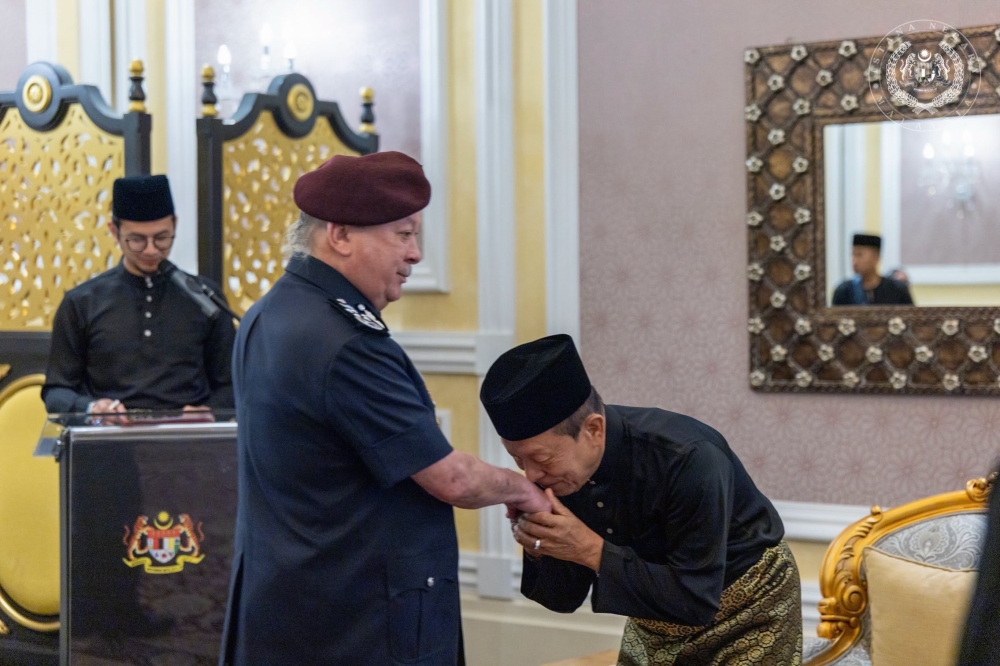
His Majesty Sultan Ibrahim, King of Malaysia, held a formal audience with Malaysian Anti-Corruption Commission (MACC) Chief Commissioner Tan Sri Abdul Halim Mohyiddin on July 14, during which the senior official presented an overview of the commission's recent activities and strategic directions. The meeting, held in Kuala Lumpur, reflected the monarchy's continued engagement with key national institutions responsible for upholding governance standards and public accountability.
The timing of this royal briefing underscores the prominence that anti-corruption efforts maintain within Malaysia's institutional landscape. The MACC, established as an independent agency vested with investigative and prosecutorial powers, plays a critical role in addressing financial misconduct, abuse of public office, and illicit activities that undermine public confidence in government. Direct dialogue between the nation's constitutional head and the MACC leadership signals the crown's attentiveness to matters affecting institutional integrity and the rule of law.
Royal audiences of this nature have historically served as important channels through which senior officials apprise the Yang di-Pertuan Agong of developments in their respective portfolios. Such meetings are particularly significant when they involve bodies overseeing sensitive areas like anti-corruption enforcement, where operational independence and public trust are essential to effectiveness. The audience provided an opportunity for the MACC chief to communicate directly with the monarch regarding the commission's work, challenges, and resource requirements.
Malaysia's anti-corruption framework has evolved considerably since the MACC's establishment, particularly following high-profile cases and public scandals that prompted institutional reforms. The commission operates across multiple domains, investigating financial crimes, corruption allegations involving public officials, and violations of anti-money laundering regulations. Its work intersects with broader national development priorities, as corruption diverts resources from public services, erodes investor confidence, and complicates regional economic cooperation.
The audience comes at a period when anti-corruption agencies across Southeast Asia face intensifying scrutiny regarding their operational capacity and political autonomy. Malaysia's MACC, like its counterparts in neighbouring jurisdictions, must navigate complex terrain where maintaining investigative vigour remains essential while safeguarding institutional independence from political interference. The commission's recent initiatives and ongoing investigations likely featured prominently in the briefing materials presented to His Majesty.
From a governance perspective, the MACC's relationship with other institutions—including the judiciary, law enforcement bodies, and regulatory agencies—remains pivotal to achieving measurable outcomes. The commission coordinates with the Attorney General's Chambers on prosecution matters and liaises with financial intelligence units on money laundering investigations. Such inter-agency cooperation requires sustained commitment and adequate funding, matters that would naturally be addressed in strategic discussions with the crown.
Public perception of anti-corruption efforts significantly influences the effectiveness of any enforcement regime. When citizens observe that credible allegations receive serious investigation and that prosecutions proceed objectively, confidence in institutions strengthens. Conversely, perceived selectivity or political motivations can undermine legitimacy. The MACC's challenge involves maintaining this balance while operating within Malaysia's constitutional framework and subject to parliamentary oversight.
For Malaysian readers and businesses, the state of anti-corruption enforcement carries immediate practical implications. Companies navigating the local operating environment, particularly those bidding for government contracts or working in regulated industries, maintain heightened awareness of MACC priorities and enforcement patterns. International investors similarly scrutinise governance and anti-corruption indicators when assessing market entry or expansion strategies. The commission's effectiveness therefore influences capital flows, foreign direct investment decisions, and Malaysia's competitiveness within regional and global markets.
The briefing also reflects broader patterns of institutional coordination that characterise Malaysia's governance structure. The Yang di-Pertuan Agong, while constitutionally ceremonial in most matters, maintains important consultative relationships with heads of major institutions. These interactions provide the crown with comprehensive understanding of government operations across critical domains and allow the monarch to fulfil the constitutional role of safeguarding democratic institutions and the rule of law.
Looking forward, the MACC faces ongoing demands to enhance investigative capabilities, strengthen evidence management systems, and expand capacity in specialised areas such as digital forensics and international asset tracing. As cross-border financial flows become increasingly complex and criminal organisations exploit digital technologies, anti-corruption agencies require continuous modernisation. The resources and strategic direction necessary for such development often depend on high-level political and institutional support, making dialogues with the Yang di-Pertuan Agong particularly valuable.
The audience concluded without public disclosure of specific operational details, consistent with practices that protect active investigations and preserve investigative strategies. However, the mere fact of this formal engagement demonstrates institutional coordination at Malaysia's highest levels and reinforces the importance that the crown attaches to combating corruption as a matter affecting national stability and public welfare.

