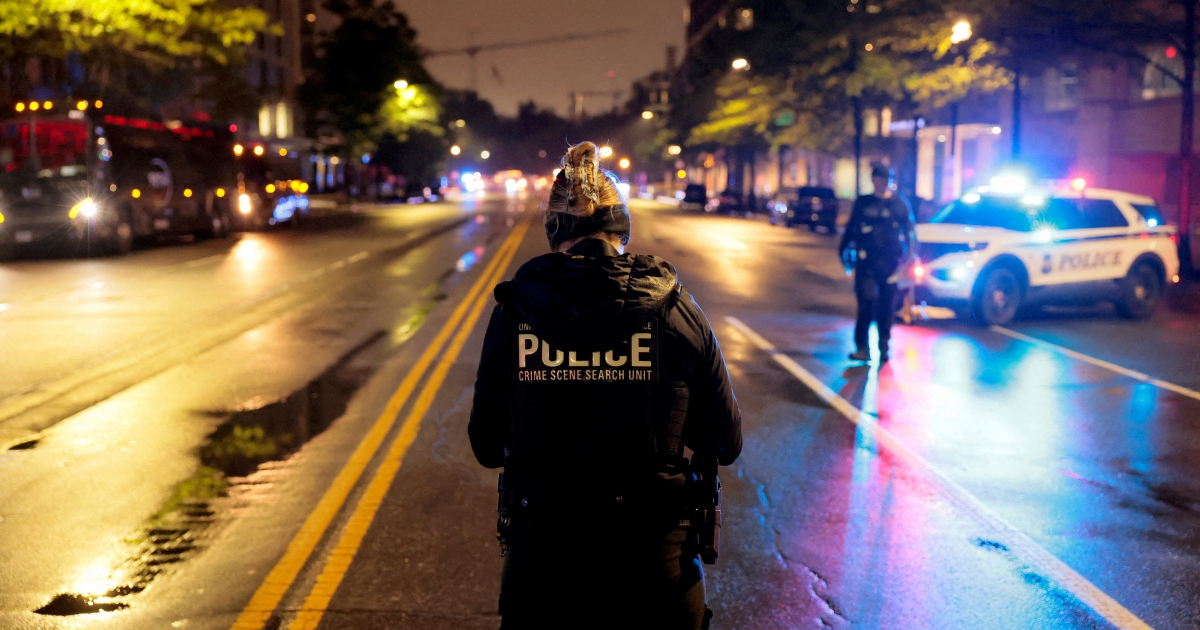
A civilian caught in crossfire during a confrontation between US Secret Service officers and an armed suspect outside the White House in May has decided to pursue legal remedies, with legal representatives announcing plans to file a personal injury lawsuit against the federal agency. The decision marks a significant escalation in the aftermath of the incident, raising important questions about civilian protection protocols and agent accountability during high-security operations in sensitive areas.
The shooting occurred at one of the world's most fortified locations, where perimeter security and threat response procedures are among the most stringent anywhere. The involvement of a bystander in the incident—someone not involved in the initial confrontation—underscores the complex challenges facing law enforcement in active shooter scenarios, particularly in heavily populated urban environments with significant civilian presence. Such incidents force a re-examination of how protective services balance immediate security threats with the safety of innocent people in the vicinity.
Personal injury lawsuits against federal agencies typically navigate complex legal frameworks, including qualified immunity doctrines that shield government officials from certain liability claims. This case will likely explore whether the Secret Service's response protocols adequately considered civilian safety, whether warning systems were effectively deployed, and whether the force used was proportionate to the threat posed. For Malaysian observers, this situation illustrates how even technologically advanced democracies must grapple with balancing security imperatives against individual rights and protections.
The White House remains one of the most visible symbols of American government, attracting both tourists and protesters daily. Security incidents there receive intense scrutiny from media, legal professionals, and the public, making this particular case highly significant for setting potential precedents regarding civilian liability in protective operations. The incident raises broader questions about how much risk ordinary people must accept when they are in proximity to high-security installations.
Legal experts anticipate the lawsuit will examine detailed aspects of the May encounter, including communications between responding officers, rules of engagement documentation, and whether non-lethal alternatives were adequately considered before deadly force was deployed. The civil litigation process will likely produce detailed public disclosure of operational procedures previously kept confidential, offering insights into Secret Service decision-making during crisis situations. This transparency, though resulting from litigation rather than voluntary disclosure, can inform discussions about protective service operations elsewhere.
For Southeast Asian security professionals and policymakers, such cases provide valuable comparative lessons about accountability mechanisms in democratic societies. The pursuit of legal redress for collateral injuries during protective operations reflects a legal culture where civilians can challenge government agencies even in national security contexts. Malaysia's own security protocols and civilian protection frameworks may benefit from monitoring how this case develops and what standards emerge regarding bystander safety in high-threat situations.
The timing of the lawsuit announcement adds another layer to ongoing American political and policy discussions about gun violence, law enforcement training, and the responsibilities of security agencies toward the public they protect. The incident occurred during a period of heightened national security awareness, yet it also demonstrates that threats and confrontations can arise unexpectedly even at the most heavily secured locations. The response to such incidents—both operationally and legally—shapes public confidence in protective services.
The personal injury claim represents just one avenue through which the incident's consequences are being addressed. Regulatory reviews, internal investigations, and potential procedural modifications typically accompany such events, though these mechanisms often remain less visible to the public than civil litigation. The lawsuit will complement these processes by creating public accountability through the judicial system, where evidence and testimony become part of the record.
Legal observers will monitor how federal courts handle questions about proportionality and civilian protection during protective service operations. Precedents established in this case could influence how similar incidents are handled elsewhere and what liability exposures security agencies face when bystanders are harmed during suspect confrontations. The case highlights the enduring tension between security necessity and individual rights that persists across democratic societies.
For civilians and visitors to Washington, this incident and its legal consequences underscore the real risks present even at iconic, heavily protected locations. It demonstrates that despite sophisticated security systems and highly trained personnel, dangerous situations can still develop in ways that affect innocent people. The legal process now underway will determine what responsibilities and accountability apply when such outcomes occur, potentially reshaping how protective services operate in high-profile locations.
The lawsuit's progression will be watched not only by American legal and security communities but also by security professionals globally, including those in Malaysia and across Southeast Asia. How American courts address civilian injury claims against protective agencies during threat response operations may influence discussions about security doctrine, training standards, and liability frameworks in other jurisdictions. The case ultimately reflects broader democratic principles about government accountability, even in matters involving national security and executive protection.

