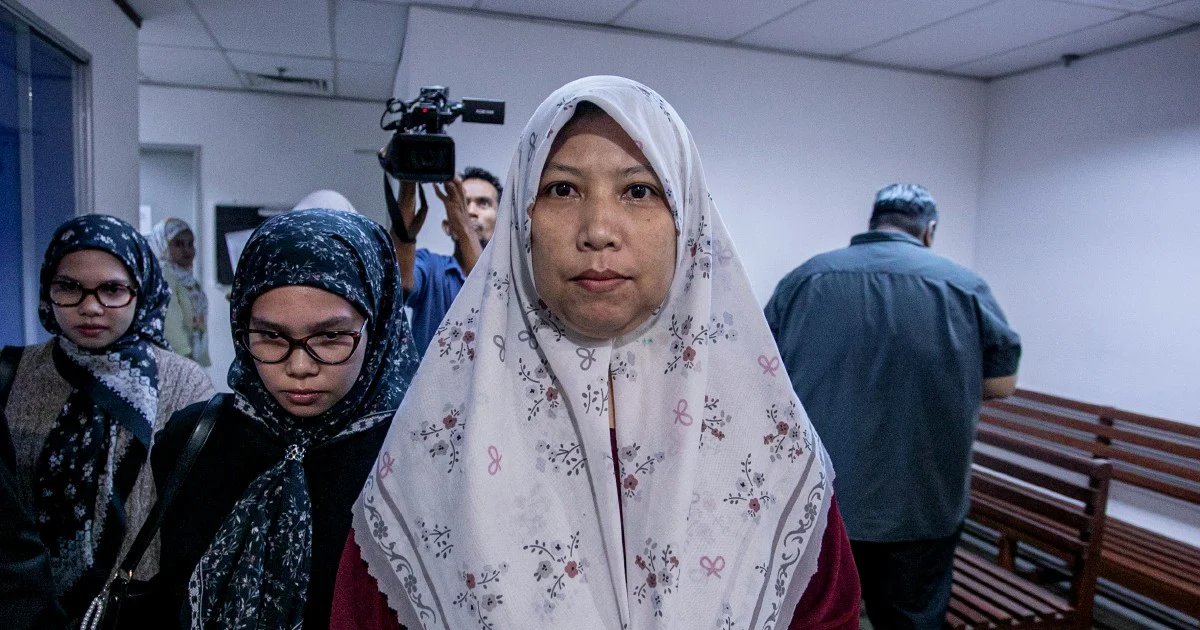
A woman faced judicial consequences in Ipoh's magistrate court when she was ordered to pay a RM500 fine following her guilty plea to charges of using criminal force against Sultan Nazrin Shah, the reigning Sultan of Perak. The incident in question took place during last year's National Day celebration held in the state, prompting authorities to launch proceedings against the individual involved.
The gravity of the allegation—assaulting a royal figure—underscores the seriousness with which Malaysian courts handle offences involving members of the institution of the Malay Rulers. Under Malaysian law, attacks or disrespectful conduct directed at the Sultan or other high-ranking royals are treated as criminal matters that warrant prosecution and punishment. The relatively modest fine suggests the court may have viewed the incident as less severe than more serious assault cases, or that the circumstances warranted leniency given the defendant's voluntary admission of guilt.
National Day celebrations in Malaysia typically draw large public gatherings and often include official ceremonies, formal processions, and public participation. During such events, security measures are typically heightened, and state officials including the Sultan are present to lead commemorative activities. The incident during Perak's National Day observance highlights potential risks during large public events, particularly those involving official dignitaries and members of the royal household.
The prompt resolution of the case through the defendant's guilty plea avoided a lengthy trial process. By accepting responsibility for her actions, the accused moved the matter swiftly through the judicial system. This approach is common in Malaysian courts when evidence is clear and the defendant acknowledges culpability, allowing magistrates to focus on appropriate sentencing rather than prolonged evidence-gathering procedures.
The fine imposed—RM500—represents a moderate financial penalty. In context of Malaysian criminal sentencing, this amount reflects a lower-tier punishment for assault charges, particularly when the assault does not result in significant physical injury or extensive aggravating circumstances. The court's decision demonstrates judicial discretion in balancing the seriousness of assaulting a royal personage with factors such as the defendant's plea and potential mitigating circumstances that may have been presented during proceedings.
Such incidents involving disruption during official state ceremonies are uncommon in Malaysia, where public events and royal functions generally proceed without incident. The rarity of such occurrences makes this case notable, as it involves a breach of both legal protocols surrounding assault and the customary respect accorded to the sultanate. The prosecution and conviction affirm Malaysia's commitment to maintaining public order during significant national observances and protecting the dignity of state institutions.
For Perak residents and the broader Malaysian public, this case reinforces important boundaries regarding acceptable conduct in public spaces, particularly during official state functions. The incident and its legal resolution serve as a reminder that while Malaysia maintains a vibrant democracy where citizens can express themselves freely, such freedoms operate within defined legal and social boundaries that protect public order and institutional respect.
The Perak Sultan, Sultan Nazrin Shah, ascended to the throne in 2018 and has since been actively engaged in state affairs and public-facing ceremonial duties. His role encompasses both constitutional responsibilities and cultural leadership within Perak, making incidents involving his security and personal safety matters of state concern. The judicial handling of this assault case demonstrates the legal system's readiness to prosecute those who violate the boundaries of respectful conduct toward royal personages.
The case also reflects broader Southeast Asian patterns regarding how different jurisdictions protect their respective royal institutions. While the specifics vary by country, most Southeast Asian nations maintain legal frameworks that extend particular protection to monarchs and members of royal families, recognising their constitutional significance and symbolic importance to national identity and stability.
From a practical perspective, law enforcement and security planners responsible for large public events in Malaysia will likely review protocols following such incidents to identify preventative measures. The incident provides valuable lessons for event security teams tasked with managing access and maintaining order during national celebrations that attract substantial public attendance.
The swift conclusion of this case in Ipoh's magistrate court exemplifies Malaysia's functioning judicial system handling matters from initial charge through trial and sentencing. The transparency of the proceedings, with publicly reported details, reflects Malaysia's commitment to open justice principles where court outcomes are made accessible to citizens and media.

