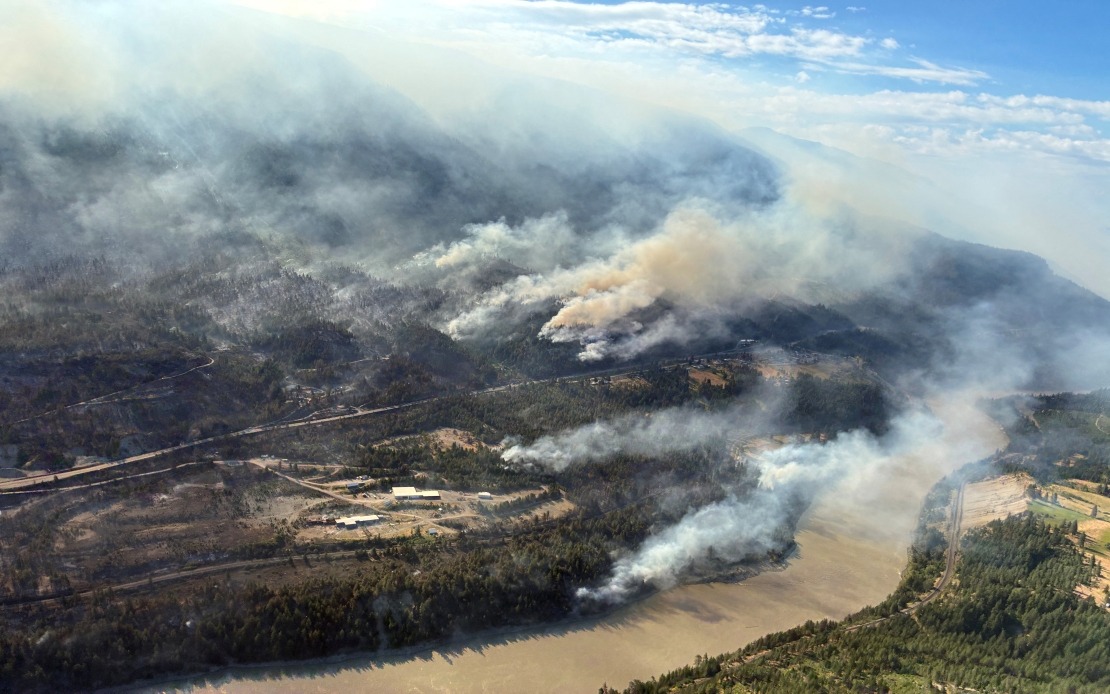
A Cessna O-1 "Bird Dog" aircraft engaged in wildfire suppression operations crashed in Canada's Northwest Territories on Thursday, resulting in the deaths of all three people aboard, according to NWT Fire, the territorial authority responsible for wildfire management and coordination. The crash occurred near Fort Simpson in a region experiencing severe fire activity across multiple fronts.
NWT Fire confirmed the incident through official channels, stating that the aircraft had been actively engaged in suppressing wildfire FS009-26 when the crash occurred. The confirmation came after an initial period during which authorities described the incident as "serious" while investigations were underway to determine the exact circumstances. The tragic outcome represents a significant loss for Canada's wildfire management operations at a time when resources are stretched across the territory.
The response to the crash involved coordinated efforts between multiple agencies. The Royal Canadian Mounted Police was dispatched to the crash site to conduct investigative procedures and assess the condition of those aboard, working in coordination with the N.W.T. Environment and Climate Change Ministry. This multi-agency approach reflects the serious nature of aviation incidents and the need for comprehensive investigation protocols.
The wildfire that the aircraft was fighting, designated FS009-26, is located in the Marten Hills area within the Dehcho region of the Northwest Territories. The fire is described as uncontrolled and has already consumed approximately 100 hectares since its natural ignition on June 23. The loss of this aircraft represents a considerable setback in suppression efforts for this particular fire, as specialized aircraft play a crucial role in monitoring and treating active fire zones across the remote northern landscape.
The broader wildfire situation across the Northwest Territories underscores the escalating pressures facing Canada's fire management infrastructure. As of June 25, the territory was grappling with 28 active wildfires that have collectively affected nearly 91,400 acres of land. This scale of simultaneous fire activity demonstrates the resource-intensive nature of wildfire management in northern Canada, where access to remote areas depends heavily on aerial capabilities.
The status breakdown of these fires reveals a concerning distribution of uncontrolled blazes. Nineteen of the 28 active fires remain classified as out of control, while only five have achieved containment status. Four additional fires are being held at current boundaries, and eight have been extinguished. This distribution indicates that a significant portion of active fire zones continue to pose threats to surrounding ecosystems and communities, placing considerable strain on suppression personnel and equipment.
The incident highlights the inherent risks faced by wildfire management personnel, particularly those operating specialized aircraft in challenging environmental conditions. The Bird Dog aircraft, a designation derived from its historical military observation role, has been adapted for civilian wildfire applications. These small, agile aircraft are valued for their ability to navigate challenging terrain and provide real-time fire monitoring, but their operation remains hazardous, especially in the presence of active wildfires that can generate unpredictable wind conditions and reduced visibility.
For Southeast Asian readers and regional observers, this tragedy underscores vulnerabilities in wildfire management systems that many developing nations in the region also face. Southeast Asia's increasing susceptibility to transboundary haze and large-scale fire events, particularly in Indonesia and Malaysia, mirrors the capacity challenges evident in Canada's operations. The dependency on specialized aircraft for fire suppression and monitoring represents a significant infrastructure investment that not all nations can sustain.
The incident also raises questions about the sustainability and safety protocols surrounding wildfire suppression operations in an era of intensifying fire seasons. Climate-related changes have extended fire seasons and increased fire intensity across multiple regions globally, including Canada. This trajectory suggests that demand for aerial wildfire management will continue rising, placing greater pressure on existing aviation resources and personnel.
The Northwest Territories' fire management authority will likely intensify investigations into the crash's root causes to identify any systemic issues or improvements needed in operational procedures. Such investigations typically examine factors including weather conditions, aircraft maintenance records, pilot experience, and operational decision-making. The findings could have implications for wildfire suppression protocols across Canada and potentially inform international best practices in aerial fire management.

