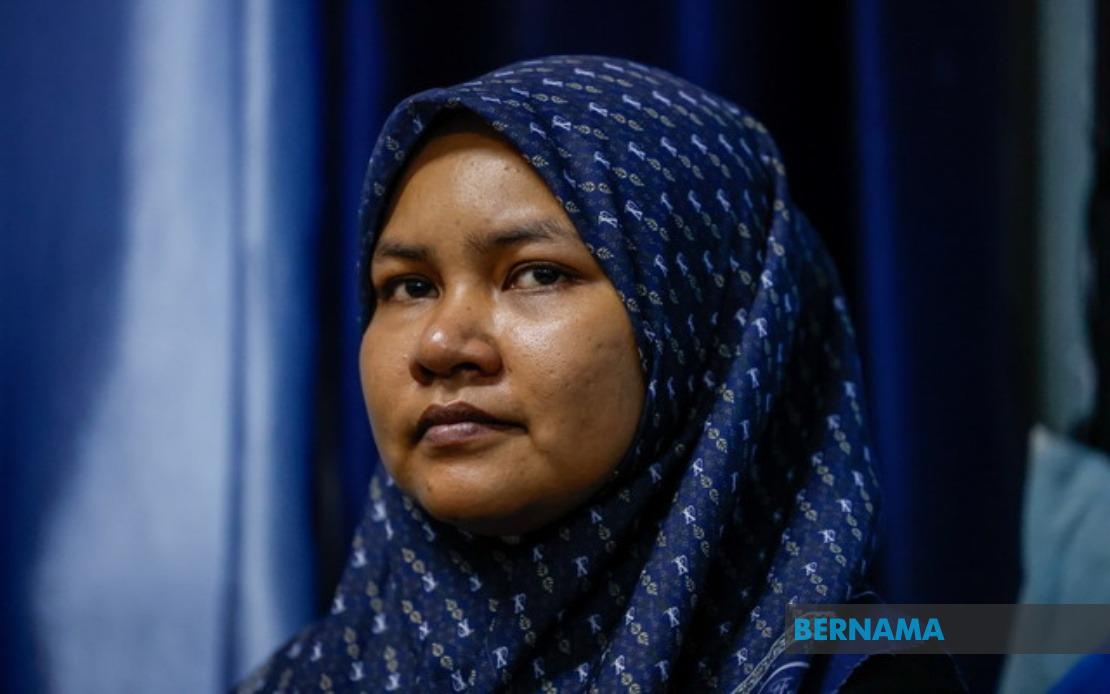
The widow of delivery rider Amirul Hafiz Omar, who died in a hit-and-run incident allegedly involving a drug-impaired driver in Klang, plans to pursue a RM1 million civil claim against the accused motorist. The legal action, which is expected to proceed in August following administrative requirements, represents an important step toward securing financial compensation for the family left behind in the aftermath of the March 29 tragedy that claimed the 33-year-old's life.
According to Nor Nadia Abdul Majid's legal representative, Lawyer Nur Iffah Hizwani Omar, the preparatory groundwork for the lawsuit has been substantially completed. A writ of summons and comprehensive statement of claim have already been drafted on behalf of the widow, but formal filing remains contingent upon obtaining a Letter of Administration from the courts. This administrative document serves as the necessary legal instrument that grants Nor Nadia the formal authority to act on behalf of her husband's estate in civil proceedings.
The high court is scheduled to make a decision on the Letter of Administration application on July 28, a critical juncture that will determine the timeline for moving the civil case forward. The legal team must also secure supplementary income documentation from the e-hailing platform through which Amirul Hafiz generated additional earnings beyond his primary delivery work. These financial records will be essential for calculating the precise compensation amount to be sought in the claim, ensuring that the figure accurately reflects the family's economic loss and the deceased's earning capacity.
The RM1 million figure currently under consideration by the legal team represents an initial assessment of damages appropriate for the case. However, this quantum may be adjusted once the court verifies the additional income records and the legal team gains clearer insight into the full extent of the family's financial dependency on the deceased's earnings. The suit will ultimately be filed at the Shah Alam High Court, where the matter will proceed through the civil jurisdiction rather than the criminal proceedings already underway.
Meanwhile, the accused driver, R. Saktygaanapathy, 28, faces serious criminal charges stemming from the same incident. He was initially charged under Section 302 of the Penal Code with murder when brought before the Klang Magistrate's Court on April 1, though no plea was recorded due to the matter falling within High Court jurisdiction. The case took a procedural turn when he subsequently pleaded not guilty on June 3 to an amended charge under Section 15(1)(a) of the Dangerous Drugs Act 1952 for self-administering tetrahydrocannabinol (THC), the psychoactive component of cannabis. This dual legal framework—where criminal prosecution proceeds on drug charges while civil action addresses compensation—reflects the Malaysian justice system's parallel approach to accountability.
Nor Nadia's emotional journey over the past four months reveals the profound personal toll of losing a primary breadwinner and devoted family member. She has candidly described how the initial weeks following her husband's death felt surreal, almost as though he had merely departed for another work shift. The true weight of grief descended only after three months had elapsed, a delayed emotional reckoning that has intensified considerably as she confronts the daily realities of single parenthood and financial responsibility.
The widow's most poignant reflections center on her children's loss and the daily routines her husband meticulously maintained. Amirul Hafiz was devoted to a structured morning ritual of personally transporting his children to school and returning at midday to share lunch with them before afternoon pickup, a commitment he honored consistently regardless of weather conditions. These moments of connection have become the most visible absence in Nor Nadia's life, serving as constant reminders of his dedication to family life and the sacrifices he made through his demanding work schedule.
Nor Nadia has now absorbed these parental responsibilities entirely, transforming herself from a supported partner into the sole provider and decision-maker for her household. The transition has been neither swift nor easy, requiring her to manage grief simultaneously with practical demands of employment, childcare logistics, and household management. Each glance at her children triggers memories of her husband's unwavering commitment to their welfare and his systematic approach to ensuring their educational progress and nutritional needs were met.
This case carries significant implications for Malaysian workers in the gig economy and delivery sector, where income streams often remain precarious and accident protection measures remain inadequate. The push for RM1 million in damages reflects both the family's legitimate claim for lost earnings and the broader question of accountability when impaired drivers cause fatal road incidents. As Malaysia grapples with rising road fatalities and substance-related driving incidents, civil suits such as this one place financial consequences directly on those whose actions destroy families and livelihoods, potentially serving as deterrent mechanisms beyond criminal sentencing alone.

