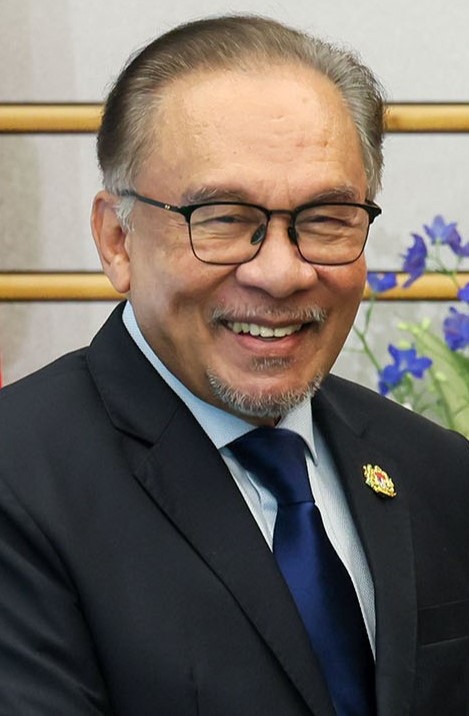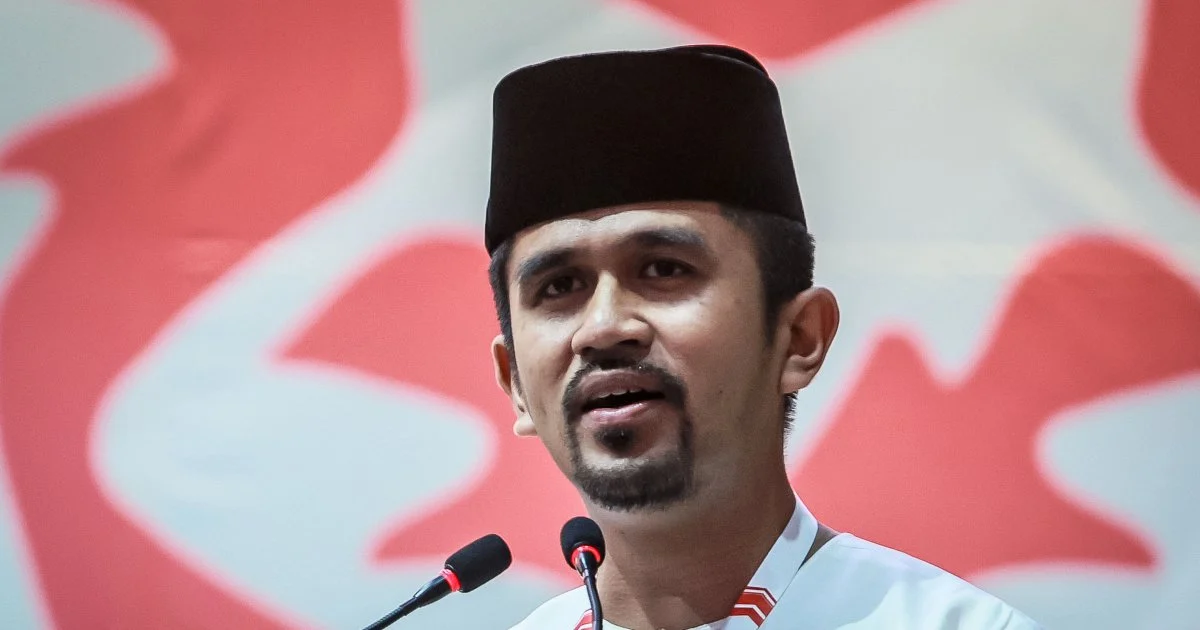
The Barisan Nasional coalition is mounting a pointed challenge to Pakatan Harapan's credibility in Johor, with Umno Youth secretary-general Hafiz Ariffin zeroing in on a notable gap in the opposition's electoral strategy. Ariffin has publicly questioned why several prominent PH figures and seasoned politicians from the southern state have chosen not to field themselves as candidates in the upcoming July 11 state election, implying that their reluctance signals internal doubts about the coalition's electoral prospects.
This line of attack strikes at a sensitive point for PH as it prepares for a crucial battle in Johor, long considered a stronghold of Barisan Nasional. The choice by established party leaders to sit out the contest presents a narrative vulnerability that BN Youth is eager to exploit, even as it raises genuine questions about succession planning and the bench strength of the opposition coalition in one of Malaysia's most competitive political battlegrounds.
For Malaysian observers accustomed to reading the tea leaves of electoral positioning, the absence of senior figures from candidate lists often tells a story beyond the publicly stated reasons. When established politicians opt out, it can reflect calculations about their personal electoral security, reservations about party direction, or strategic decisions to preserve political capital for future contests. In Johor's case, the decision by key PH personalities to sit this round out potentially signals concerns about the coalition's ability to break BN's historical advantage in the state.
The Ariffin challenge is particularly significant because youth wings in Malaysian politics frequently serve as the vanguard for attacking opponents on matters of credibility and commitment. By highlighting the absence of senior PH figures, BN Youth is essentially questioning whether the opposition coalition possesses sufficient confidence in its own platform and candidates to field its most recognizable and experienced names. This framing attempts to undermine PH's standing just as voters are forming their final electoral decisions.
Johor remains strategically vital for both coalitions. The state has delivered substantial representation to whichever faction commands its constituencies, making each election cycle in Johor a bellwether for broader political trends across peninsular Malaysia. A strong PH showing would reinforce the coalition's national relevance following its 2020-2023 tenure in federal government. Conversely, a comprehensive BN victory would consolidate Umno's recovery narrative and suggest that the damage from the 1MDB scandal has substantially healed among voters.
The absence of senior PH politicians from Johor's candidate slate reflects broader structural questions within the opposition coalition. PH comprises diverse parties including PKR, DAP, Amanah, and others, each with competing interests and leadership hierarchies. The decision by prominent figures to step back from direct electoral competition may reflect either pragmatic assessments about specific constituencies or tension between party headquarters and state-level organizations regarding resource allocation and strategic direction.
BN's approach of highlighting these absences represents a calculated effort to dominate the narrative surrounding candidate quality and coalition strength. By forcing the issue publicly, Ariffin and other BN figures are attempting to frame the election not as a straightforward contest between two coalitions, but rather as a choice between a united, committed BN establishment and a fragmented opposition struggling to field its strongest roster. This narrative warfare often proves as consequential as actual policy differences in shaping voter perceptions.
For Johor voters, the prominence or absence of familiar faces from their state's political leadership creates psychological cues about who commands confidence within their respective organizations. When voters see new or lower-profile candidates, they may interpret this through multiple lenses—as an opportunity for fresh voices, as a sign of political turmoil, or simply as a normal generational transition. BN's framing attempts to steer interpretation toward the second reading.
The broader context matters significantly here. Johor has witnessed considerable political volatility over the past decade, from the rise of Pakatan Harapan to the fluid coalitional arrangements that followed. Within this environment, questions about who is and isn't running acquire additional weight as indicators of political stability and internal morale. Parties confident about their prospects typically field their full array of resources and experience.
This controversy also illuminates differences in political risk tolerance between BN and PH approaches in Johor. Established politicians with long track records face considerable pressure and scrutiny in any election. Some may rationally conclude that protecting their existing positions through non-participation represents a better strategy than risking defeat. The decision to step back, while potentially appearing to confirm BN's narrative of opposition weakness, might actually reflect mature political judgment about personal sustainability.
Looking forward, the exchange between Ariffin and the PH coalition establishes an important test case for how narrative and institutional presentation shape electoral outcomes. As Johor voters prepare for the polls, they will be absorbing not only messages about policies and performance, but also impressions formed by these meta-political debates about candidate selection, coalition strength, and organizational confidence. Whether PH can effectively counter BN's framing or whether this critique will gain traction remains a significant variable in the state's electoral calculus.