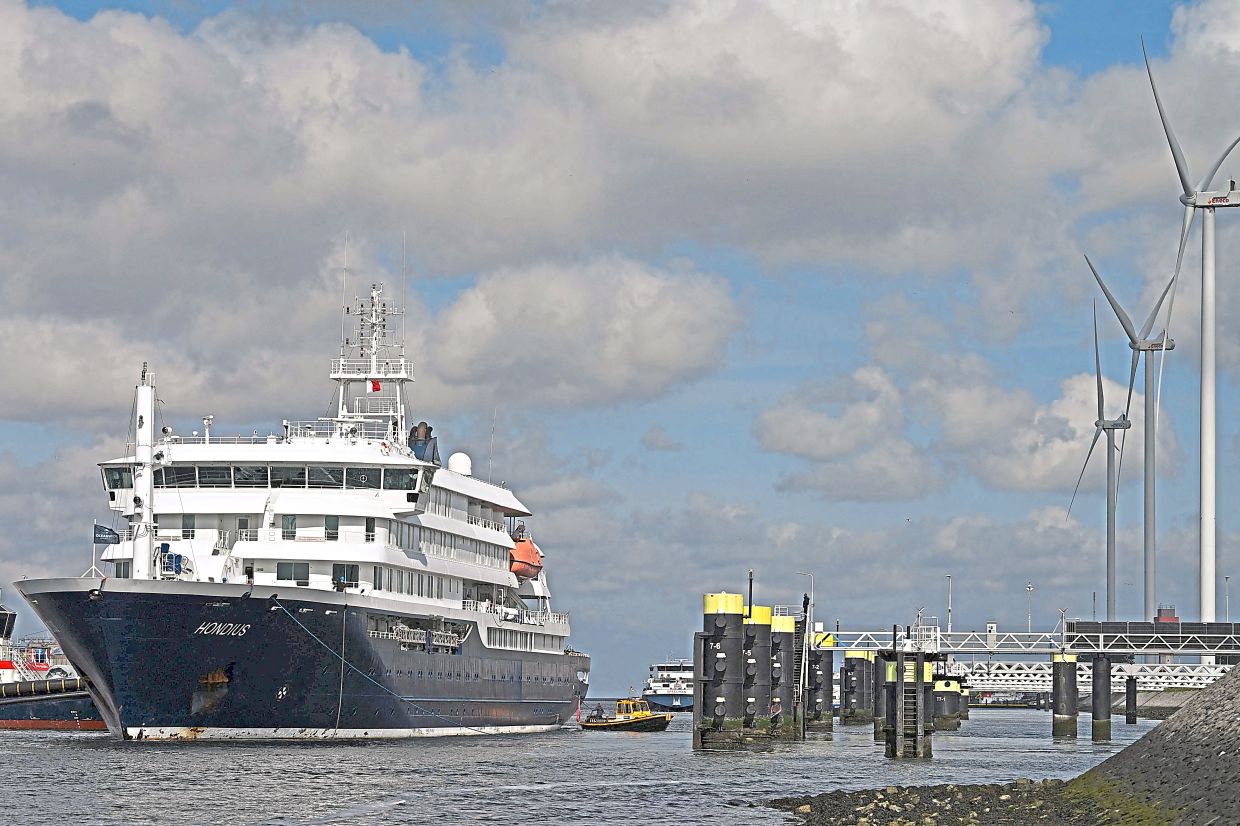
The World Health Organization has formally declared an end to the hantavirus outbreak connected to the MV Hondius, marking the conclusion of a public health episode that drew global attention and triggered coordinated responses across multiple nations. The official closure came after the final person under quarantine related to the incident tested negative and completed isolation on July 2, 2026, according to WHO Director-General Tedros Adhanom Ghebreyesus.
The outbreak resulted in 12 confirmed cases and one probable case, with three fatalities occurring among those who contracted the virus aboard or shortly after exposure from the vessel. The Dutch-flagged polar exploration ship had departed from Ushuaia in Argentina on April 1, 2026, embarking on a remote voyage through the South Atlantic that included stops at the isolated Tristan da Cunha archipelago before proceeding toward Tenerife in Spain's Canary Islands, where authorities ultimately evacuated the remaining passengers due to the health emergency.
The international dimension of this outbreak proved substantial and underscores the reality of modern disease transmission in our interconnected world. Health authorities in 33 different countries and territories identified and monitored more than 650 individuals who had potential contact with confirmed cases, reflecting the extensive reach of a single vessel's itinerary and the complex web of secondary exposures that can develop from maritime outbreaks. This level of cross-border coordination represents both the capabilities and the vulnerabilities of the global health system when confronted with emerging infectious diseases on ships that traverse multiple jurisdictions.
Hantavirus itself remains a concerning pathogen precisely because of its characteristics and the limited medical arsenal available to combat it. The virus is naturally transmitted through contact with infected rodent populations, yet it rarely affects humans under normal circumstances. However, the Andes strain that emerged in this outbreak possesses a particularly troubling distinction: it is the only known hantavirus variant capable of spreading directly from person to person, a feature that elevated the threat level and justified the extraordinary containment measures undertaken during the crisis.
No further cases had been documented since May 25, 2026, a prolonged absence of new infections that provided epidemiologists with confidence that transmission chains had been successfully broken. The ship itself was thoroughly decontaminated and sanitised when it finally reached Rotterdam harbour in the Netherlands on May 18, 2026, following standard protocols for vessels involved in disease outbreaks. These sanitisation efforts, combined with the quarantine protocols applied to exposed individuals and rigorous contact tracing, appear to have successfully prevented the outbreak from spreading beyond the initial cohort of cases.
Despite the formal declaration of outbreak conclusion, the scientific and medical communities view this episode as merely the opening chapter in a longer process of investigation and learning. Tedros emphasised that the WHO would continue intensive work to extract lessons from the incident and deepen understanding of the virus itself. This ongoing research commitment reflects the broader principle that each outbreak, regardless of its scale or final case count, offers valuable epidemiological and virological insights that can inform pandemic preparedness and response capabilities for future threats.
A particularly significant development emerging from this outbreak is the initiation of an international collaborative study involving 21 countries designed to map how hantavirus infection develops within infected individuals. This multi-national research initiative carries implications extending well beyond the immediate crisis, as understanding disease progression patterns will inform the development of improved diagnostic tools that could enable earlier detection and confirmation of cases. Such advancement in diagnostics becomes critically important for rare diseases like hantavirus, where clinical presentation may be confused with more common illnesses, potentially leading to diagnostic delays.
The research agenda also encompasses the development of therapeutic interventions and vaccines, areas where hantavirus represents a significant gap in medical innovation. Currently, no approved vaccines exist to prevent hantavirus infection, and no specific antiviral treatments have been established as effective against the disease. The rare nature of hantavirus outbreaks has historically meant limited research funding and pharmaceutical industry interest, yet events such as the MV Hondius incident demonstrate that the threat remains real and can suddenly scale up given the right circumstances, particularly in contexts involving international travel and exposure in confined environments.
For Southeast Asian readers, this outbreak carries particular relevance as a reminder of the region's vulnerability to imported infectious diseases. Southeast Asia's position as a hub for international travel, its significant cruise ship tourism industry, and the presence of rodent populations in many areas create conditions where hantavirus or similar emerging pathogens could potentially establish footholds. The Malaysian region's role as a key node in global maritime trade and tourism networks means that lessons from the MV Hondius experience directly apply to preparedness planning and border health surveillance protocols that Malaysian health authorities maintain.
The outbreak also illustrates the operational challenges that emerge when disease incidents occur aboard vessels operating in remote regions with limited medical infrastructure. The decision to evacuate passengers to Tenerife reflected the reality that advanced medical care and isolation facilities in remote Antarctic regions would have been inadequate for managing a multi-national outbreak. This logistical dimension adds complexity to maritime health governance and has implications for how cruise lines operating in similar remote areas coordinate with distant medical facilities and health authorities.
Moving forward, the WHO's continued focus on understanding hantavirus transmission dynamics and developing medical countermeasures represents a proactive stance toward preventing future outbreaks from achieving the scale and cross-border reach that characterised the MV Hondius incident. The international research coalition now being assembled will likely produce epidemiological models and clinical insights applicable to other rare zoonotic viruses capable of human-to-human transmission, thereby generating benefits extending beyond hantavirus to the broader corpus of emerging infectious disease research and response preparedness.
Ultimately, while the immediate outbreak has ended and those exposed have returned safely to their homes, the public health infrastructure and scientific investigations set in motion by this episode will continue generating insights for years to come, demonstrating how crisis response often catalyses the systematic investigation and innovation necessary to prevent and manage future threats to global health security.

