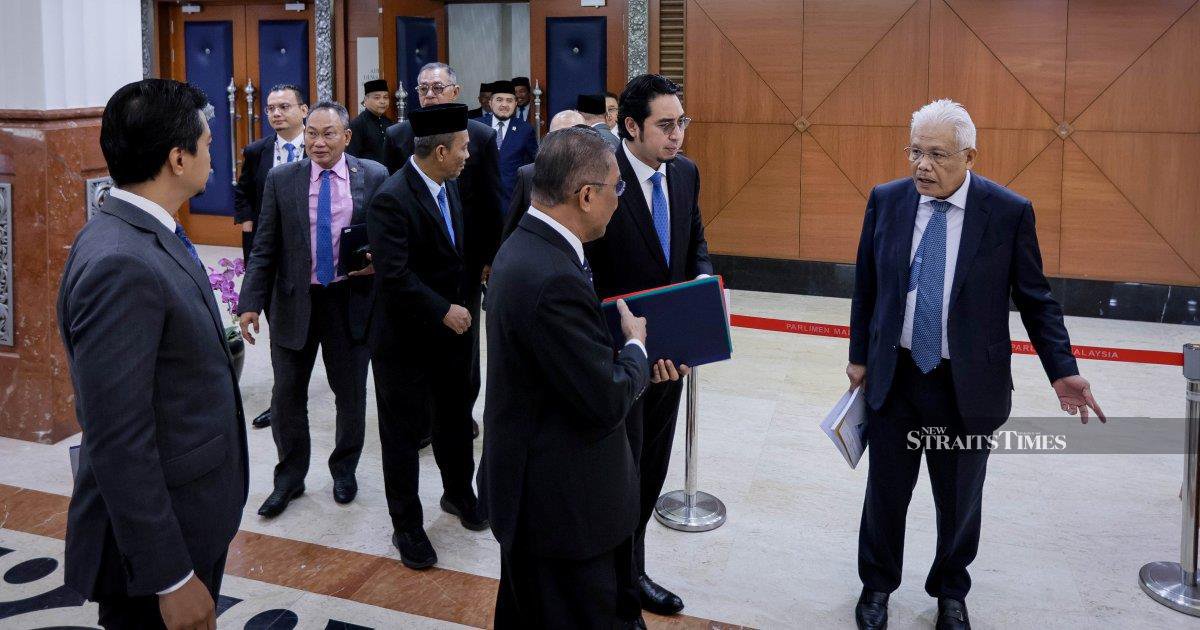
The opposition's decision to walk out of Parliament during proceedings on the Royal Commission of Inquiry report concerning Tabung Haji has once again thrust the question of parliamentary conduct into the spotlight, illuminating a persistent paradox that has long plagued Malaysian politics. The same strategic withdrawal that one bloc celebrates as principled protest another denounces as mere grandstanding, reflecting a deeper failure to establish consensus on what constitutes legitimate parliamentary resistance and how criticism of government should be conducted within democratic institutions.
Tabung Haji, the mandatory pilgrimage savings fund that has long served as a financial cornerstone for Malaysian Muslims undertaking the hajj, has faced mounting scrutiny following various controversies. The Royal Commission of Inquiry was established to investigate alleged mismanagement and governance failures within the institution. When the commission's findings were presented to Parliament, the opposition viewed the response and handling as inadequate, prompting their dramatic departure from the chamber. This confrontation reveals not merely disagreement over policy outcomes but a fundamental clash regarding how dissent should be performed and perceived within the parliamentary arena.
The mechanics of parliamentary walkouts carry symbolic weight far exceeding their procedural impact. When opposition lawmakers exit the chamber in unison, they accomplish several objectives simultaneously: they register visible disapproval for public consumption, they disrupt the government's ability to conduct business as usual, and they frame themselves as principled actors unwilling to participate in proceedings they view as compromised. Yet this very visibility that makes the tactic potent in opposition hands becomes its vulnerability when governing coalitions deploy identical strategies. The government and its supporters can characterise such departures as obstruction rather than conscience, as theatrical gesture rather than substantive resistance.
This interpretive divide reflects Malaysia's broader struggle with parliamentary norms and democratic maturity. Unlike established Westminster democracies where parliamentary conventions have crystallised over centuries, Malaysian parliamentary practice remains contested terrain. What constitutes appropriate channels for expressing grievance, acceptable forms of dissent, and the boundary between legitimate protest and disruption remains subject to partisan interpretation. Each coalition accuses the other of manipulating procedures for advantage, and both sides possess enough historical precedent to support their accusations.
The Tabung Haji controversy itself carries implications extending beyond parliamentary theatre. This institution manages approximately RM70 billion in pilgrim savings across more than 9 million account holders. Questions regarding its financial stewardship, governance structures, and transparency directly affect ordinary Malaysian families who have entrusted their hajj aspirations and savings to the fund. When parliamentary scrutiny of such an institution appears inadequate, public concerns about accountability intensify. The opposition's walkout, whatever its tactical merits or shortcomings, fundamentally addresses whether Parliament is fulfilling its oversight responsibilities toward institutions affecting millions of citizens.
From a Southeast Asian perspective, Malaysia's parliamentary struggles with dissent mechanisms reflect broader regional trends. Across Southeast Asia, legislatures grapple with balancing majority rule against minority voice, procedures against principle, and procedural propriety against substantive accountability. Thailand's persistent constitutional tensions, Indonesia's occasionally fractious legislative sessions, and Cambodia's controlled parliament all demonstrate that Westminster-inherited systems operating in diverse political contexts inevitably generate friction regarding appropriate protest modalities. Malaysia's particular experience, combining Islamic governance frameworks with secular constitutionalism and Westminster parliamentary tradition, generates unique interpretive challenges.
The partisan nature of walkout defences also exposes how Malaysian politics has increasingly fragmented into self-reinforcing tribal narratives. Rather than debate the merits of parliamentary withdrawal as a tactical option applicable equally to all parties, actors treat the same behaviour as virtuous or contemptible depending entirely on partisan affiliation. This selective standard undermines development of consistent parliamentary norms and prevents the emergence of cross-party consensus regarding institutional conduct. When legitimacy itself becomes contested on tribal grounds, parliamentary effectiveness deteriorates regardless of legislative output.
Critically, the persistent resort to walkouts and dramatic parliamentary gestures may itself signal institutional dysfunction. In legislatures where minority concerns receive genuine consideration and where government remains responsive to substantive criticism, disruptive tactics become unnecessary. The frequency of Malaysian parliamentary walkouts suggests that opposition parties perceive insufficient alternative channels for advancing their concerns. Whether this perception reflects institutional reality or tactical preference remains debatable, but the pattern indicates communication breakdowns between governing and opposition blocs.
Governance of Tabung Haji specifically demands sustained parliamentary attention extending beyond symbolic gestures. The fund's challenges encompassing investment performance, administrative efficiency, and transparency require patient technical scrutiny rather than episodic controversy. Parliamentary committees, detailed questioning of officials, and extended debate of governance reforms represent more productive approaches than chamber walkouts. Yet these quieter accountability mechanisms generate minimal public visibility, creating incentives for opposition parties to favour dramatic tactics that capture headlines and mobilise supporters.
Moving forward, Malaysian Parliament would benefit from establishing clearer conventions regarding protest expression and parliamentary dissent. These conventions must apply consistently regardless of which coalition controls government, must distinguish between legitimate resistance and procedural obstruction, and must preserve Parliament's capacity to conduct essential business while acknowledging rights to principled opposition. The Tabung Haji walkout, like preceding and likely succeeding parliamentary walkouts, ultimately serves less as solution to institutional problems than as symptom of deeper unresolved questions about parliamentary legitimacy and democratic conduct in Malaysian context.
Until Malaysia's political actors develop shared commitment to consistent parliamentary norms applicable equally across partisan lines, such confrontations will recur with predictable regularity. The challenge extends beyond determining whether individual walkouts represent protest or theatre; it encompasses establishing whether Parliament itself functions as space where genuine accountability occurs or merely as arena where rival blocs perform predetermined roles for factional audiences.

