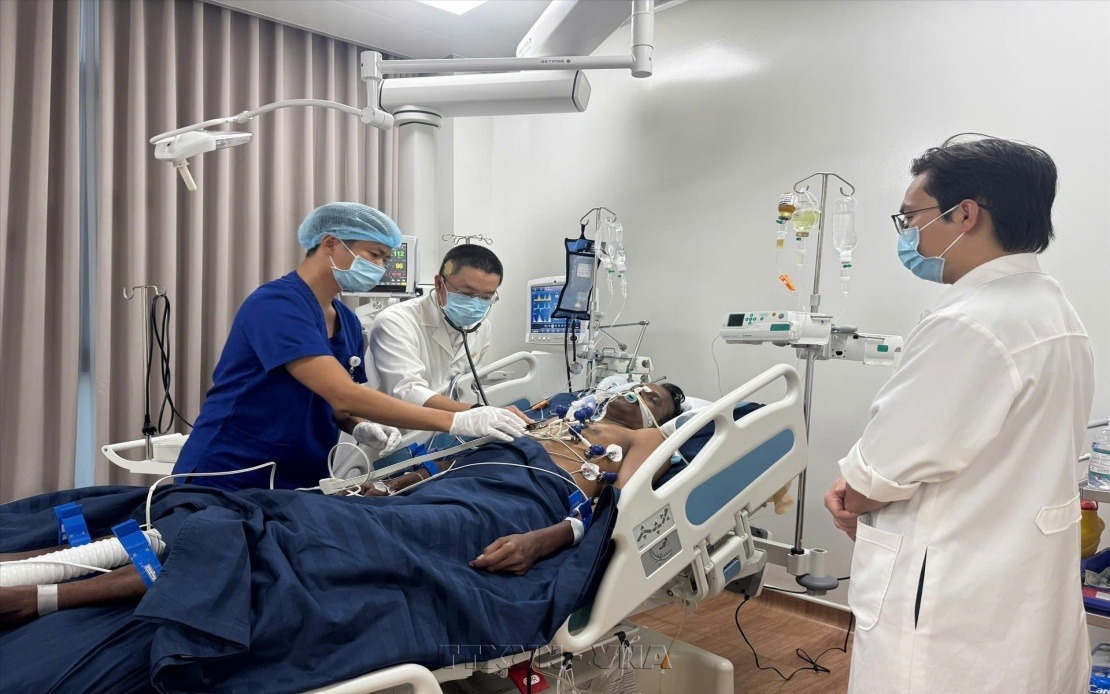
The Phu Quoc Special Zone in Vietnam's An Giang province launched a coordinated emergency response on July 11 following a speedboat accident that claimed lives and injured numerous Indian tourists. Authorities across the Mekong Delta region mobilised search-and-rescue personnel, medical teams, and support infrastructure to address the crisis, demonstrating the region's capacity to handle mass casualty incidents despite the tourism sector's ongoing recovery.
Sun Group International Hospital, located within the Phu Quoc zone, activated its highest level of emergency protocols immediately upon receiving notification of the incident. The facility dispatched multiple ambulance teams and specialised medical staff to the accident site while simultaneously preparing its facilities to receive incoming patients. The hospital's rapid mobilisation illustrated the critical importance of having advanced medical infrastructure integrated within popular tourist destinations across Southeast Asia, where water-based activities attract growing numbers of international visitors.
Medical personnel conducted intensive resuscitation efforts at the scene and during transport, successfully stabilising two critically injured patients after nearly two hours of emergency intervention. These individuals were transferred directly to the intensive care unit, where they gradually regained consciousness and stabilised within the first hours following admission. This positive outcome underscores the significance of prompt emergency response in trauma cases, particularly in remote or island locations where evacuation distances can complicate treatment timelines.
By early evening on July 11, the hospital had received 15 additional victims, all conscious and capable of undergoing initial medical assessments. Medical teams conducted comprehensive trauma screening and initiated appropriate treatment protocols to facilitate recovery. The influx of patients created logistical challenges typical of sudden mass casualty events, requiring coordination among multiple departments and careful prioritisation of limited intensive care resources.
Dr. Nguyen Quang Thang, who leads Sun Group International Hospital, disclosed that two patients experienced severe respiratory complications requiring extended hospitalisation. While one recovered sufficiently to be discharged pending continued monitoring, the second remained under intensive supervision due to pre-existing health conditions that complicated recovery. The hospital established a coordination arrangement with Cho Ray Hospital in Ho Chi Minh City to provide specialist consultation and advanced treatment options, demonstrating regional collaboration mechanisms for managing complex medical cases beyond local capacity.
Beyond medical intervention, Vietnamese authorities recognised the broader support required for affected families and injured survivors. Tran Minh Khoa, heading the People's Committee of the Phu Quoc Special Zone, emphasised the administration's commitment to comprehensive victim assistance. The vessel operator agreed to compensate bereaved families with 1,000 USD per deceased and provide 500 USD to each injured passenger, establishing immediate financial relief while longer-term arrangements could be negotiated.
The provincial administration supplemented private compensation with public funds, allocating 26 million VND, equivalent to approximately 1,000 USD, for each fatality. This dual-track compensation approach—combining operator liability with government support—reflects Vietnam's structured approach to tourist-related incidents and demonstrates commitment to protecting the nation's international reputation within the tourism sector. For Malaysian readers familiar with similar incidents affecting regional tourism, this response illustrates how Southeast Asian governments balance commercial interests with victim compensation obligations.
Concurrently, authorities initiated comprehensive administrative and legal procedures to address the incident's procedural dimensions. Investigators began examinations into the accident's causation, while civil registration departments processed necessary documentation for deceased victims. This parallel administrative response, conducted alongside emergency medical and financial assistance, ensured that victims' families could access repatriation services and complete legal formalities without prolonged delays. The coordination between security agencies, health authorities, and administrative bodies reflected established protocols for managing tourism-related disasters.
For regional observers, this incident highlighted vulnerabilities within the Southeast Asian tourism ecosystem. Speedboat operations in coastal and island destinations remain popular among international tourists seeking adventure activities, yet safety standards and regulatory oversight vary significantly across jurisdictions. Malaysia's own tourism industry, heavily dependent on water-based attractions in Sabah, Sarawak, and Peninsular locations, faces comparable risks. The Phu Quoc response provides instructive lessons regarding emergency preparedness, hospital capacity planning, and coordination mechanisms that could strengthen regional resilience against similar incidents.
The accident also underscores the complex diplomatic dimensions of tourism-related crises. Vietnamese authorities coordinated with diplomatic representatives to facilitate communication with Indian nationals' families and government officials, recognising that international incidents require specialized consular protocols. This coordination mechanism becomes increasingly important as tourism volumes within Southeast Asia expand and nationals from distant countries constitute growing segments of visitor populations.
Looking forward, the incident raises policy questions about regulatory frameworks governing water-based tourism activities throughout the region. Questions regarding vessel maintenance standards, crew training requirements, passenger capacity limits, and emergency equipment provisions remain pertinent across multiple Southeast Asian jurisdictions. Insurance mechanisms and liability frameworks also warrant examination, particularly regarding international tourists and cross-border claims procedures.
The scale of Vietnamese emergency response demonstrates that despite regional variations in healthcare infrastructure, significant tourist destinations maintain capability to manage mass casualty situations. However, the incident also suggests that prevention through strengthened safety regulations may ultimately prove more cost-effective than post-incident compensation and medical response. Regional governments increasingly recognise that sustainable tourism growth depends on consistent safety records and public confidence in destination management.
For Malaysian stakeholders in tourism, hospitality, and maritime safety sectors, the Phu Quoc incident provides concrete evidence of how quickly tourism incidents can escalate into complex international crises requiring coordination across medical, administrative, diplomatic, and financial domains. This reality reinforces the importance of investing in preventive measures, training, and infrastructure before incidents occur rather than attempting comprehensive responses after crises materialise.

