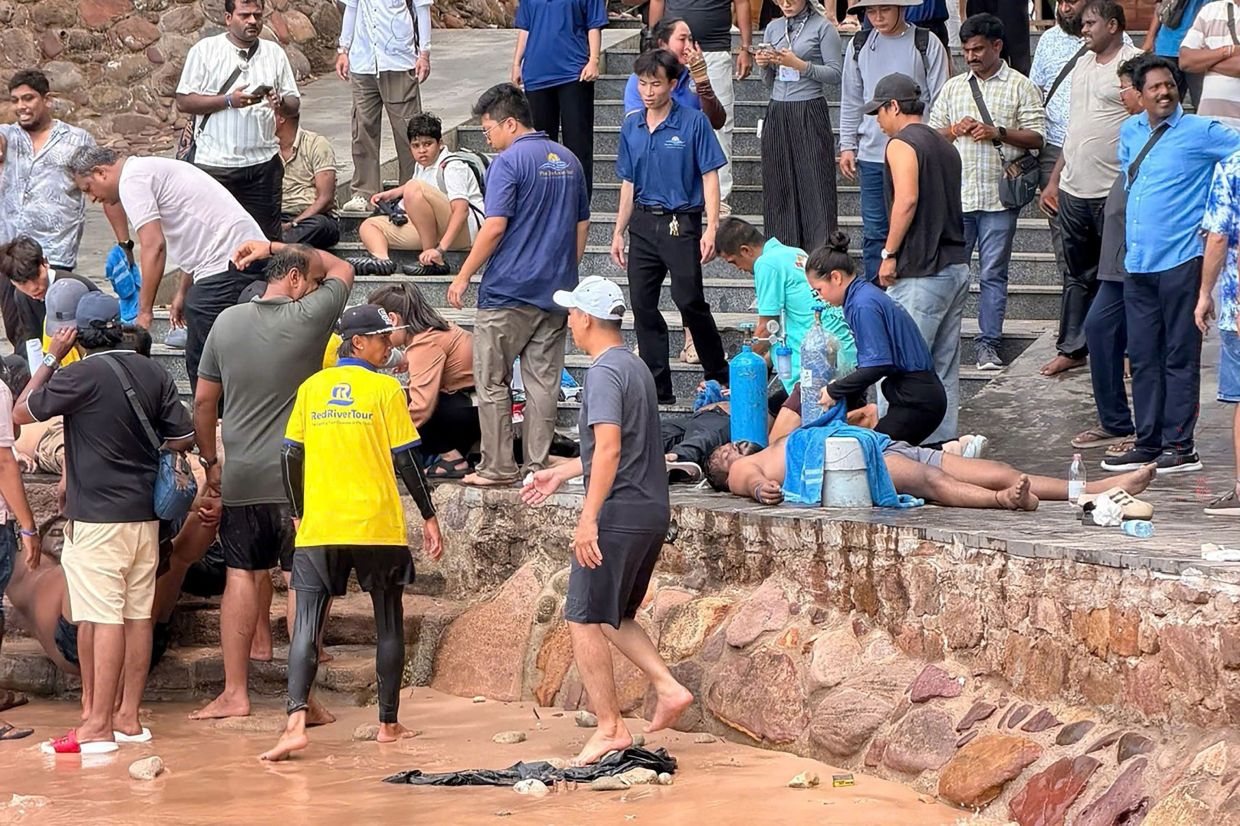
Vietnam's Prime Minister moved swiftly on July 11 to address the maritime tragedy that claimed 15 lives when a speedboat overturned in waters off Phu Quoc Island. The government directive signals the seriousness with which authorities are treating the incident and reflects growing international scrutiny of Vietnam's maritime safety standards, particularly in popular tourist destinations. The accident has already raised questions about regulatory oversight in a sector crucial to Vietnam's tourism revenue.
The speedboat was transporting 32 Indian tourists alongside four crew members and guides when it capsized near Hon May Rut Ngoai in the Phu Quoc Special Zone. The death toll comprised 13 men and two women, while rescue operations managed to save 21 individuals. The Indian Embassy subsequently released the complete roster of 32 citizens aboard and established support offices in Ho Chi Minh City and Hanoi to coordinate assistance for affected nationals and coordinate with Vietnamese authorities on consular matters.
The Prime Minister's response demonstrates a multi-agency approach to crisis management. An Giang Province, the administrative region overseeing Phu Quoc Island, was designated to coordinate with relevant authorities in determining the accident's root causes and identifying any regulatory failures. This decentralized responsibility structure aims to ensure provincial-level accountability while maintaining central government oversight. The move reflects Vietnam's administrative structure where local governments often bear responsibility for local incidents but operate under national scrutiny.
The Ministry of Public Security received explicit orders to conduct a thorough investigation and pursue legal action against any parties found responsible for violations. This language suggests the government is preparing for the possibility of criminal negligence charges, whether against operators, crew members, or officials who may have overlooked safety violations. In maritime incidents involving international deaths, such investigations carry significant weight for Vietnam's international reputation and potential diplomatic ramifications.
Beyond immediate investigation, Vietnam's Ministry of Construction was instructed to review and enhance safety protocols across inland waterway and maritime traffic systems in Phu Quoc and other regions sharing similar geographic or operational characteristics. This broader inspection mandate indicates authorities recognise the accident may reflect systemic issues rather than isolated failures. Given Phu Quoc's status as a major tourist hub with increasing maritime activity, such comprehensive safety audits could have widespread implications for operators and service providers throughout the region.
The diplomatic dimension received equal emphasis, with the Ministry of Foreign Affairs tasked to work collaboratively with the Indian Embassy. This coordination extends beyond standard consular assistance to encompass victim support, family communication, and navigation of cross-border legal and administrative procedures. The involvement of foreign ministry-level coordination underscores the potential for this incident to affect Vietnam-India bilateral relations, particularly if investigations reveal systemic negligence.
For Malaysian and Southeast Asian stakeholders, this accident carries cautionary implications. The region's rapid tourism expansion has often outpaced safety infrastructure development, and Phu Quoc's experience mirrors challenges faced by popular destinations across Southeast Asia. Malaysian coastal tourism operators and regulators should view this incident as a benchmarking opportunity to assess their own maritime safety frameworks, particularly regarding speedboat operations that have become increasingly popular among regional and international tourists.
The scale of the rescue operation—saving 21 of 36 people—suggests adequate emergency response capacity once alerted, but raises questions about why the capsizing occurred in the first place. Preliminary investigations will likely examine vessel maintenance records, weather conditions, capacity overloading, crew qualifications, and adherence to established maritime protocols. Each factor carries lessons for maritime operators throughout Southeast Asia operating under varying regulatory regimes.
India's substantial tourism presence in Vietnam makes this incident particularly significant. The Indian tourist market represents considerable revenue for Vietnam's hospitality and tourism sectors, and safety concerns could influence travel patterns and booking decisions among Indian travellers considering Southeast Asian destinations. The Indian government's diplomatic engagement through its embassy signals New Delhi's interest in the investigation's findings and potential accountability measures.
The incident also highlights vulnerabilities in seasonal tourism operations. Phu Quoc's popularity fluctuates with weather patterns, and peak seasons often see operators running maximum-capacity trips with minimal margins for error. The presence of both tourists and professional guides on the capsized vessel suggests this was a commercial tour operation, raising questions about operator licensing, safety certifications, and insurance coverage—regulatory gaps that may exist across multiple Southeast Asian jurisdictions.
Vietnam's comprehensive government response demonstrates recognition that maritime disasters require coordinated action across multiple sectors and government levels. The emphasis on transparency, legal accountability, and safety infrastructure improvements reflects international expectations for crisis management. However, implementation effectiveness will ultimately determine whether this incident catalyses genuine systemic improvements or becomes another tragic incident subsequently forgotten in the region's rapid tourism expansion.
For the affected Indian nationals and their families, Vietnam's mobilisation of medical resources and consular support provides immediate assistance. The establishment of dedicated contact points and active coordination with the Indian Embassy signals serious commitment to supporting survivors and facilitating proper repatriation or funeral arrangements. These measures, while essential for immediate crisis response, pale against the tragedy of 15 preventable deaths and the broader questions about maritime safety standards that this incident has exposed across Southeast Asia's tourism sector.

