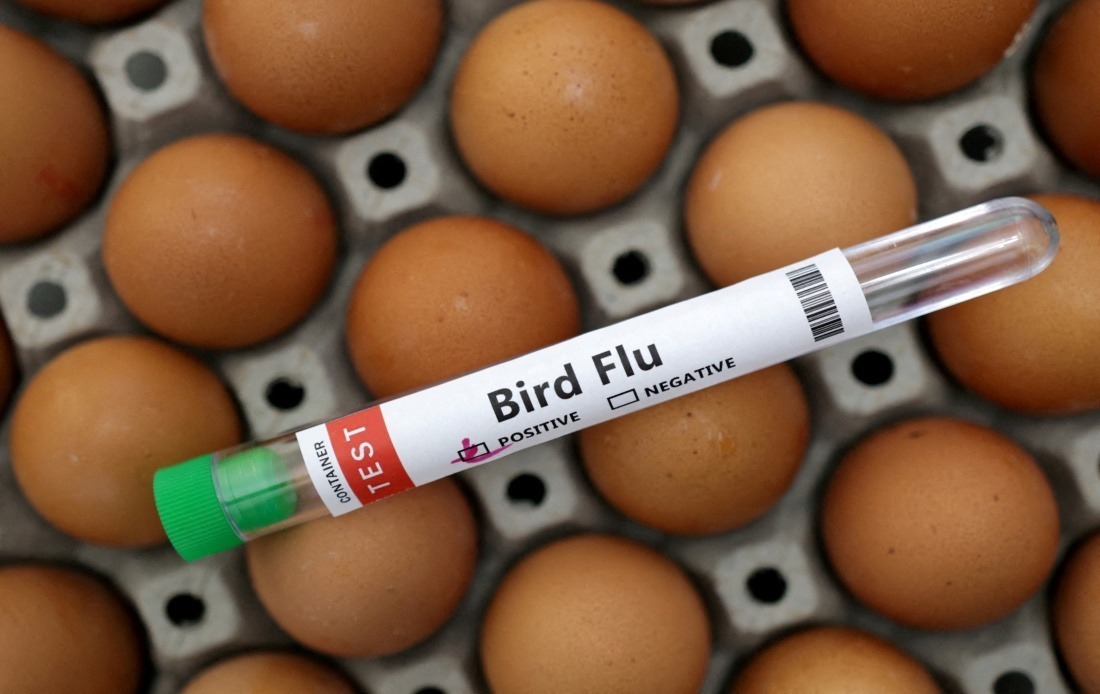
Victoria has become the first Australian jurisdiction to impose a mandatory indoor housing requirement for poultry, escalating the country's response to the expanding H5N1 avian influenza outbreak. The directive, which strengthens an earlier voluntary framework, takes effect immediately and applies to all commercial and hobbyist operations maintaining more than 50 birds, with an initial 14-day enforcement period that authorities may extend depending on epidemiological developments.
The decision signals a shift toward stricter preventive measures as confirmed H5N1 detections continue accumulating across the state. Agriculture Minister Michaela Settle characterised the action as precautionary rather than reactive, designed to eliminate the possibility of farmed poultry encountering potentially infected wild birds. This distinction matters for industry confidence: authorities are attempting to contain the outbreak before it penetrates Australia's commercial poultry production system, where an infection would create far more severe economic and public health consequences.
Victoria's Chief Veterinary Officer Graeme Cook cited recent positive cases identified in the towns of Yambuk, Apollo Bay, and Clyde as the immediate catalyst for strengthening containment protocols. These geographically dispersed findings indicate the virus is establishing itself across multiple regions of the state rather than remaining concentrated in a single epicentre, a pattern that typically demands intensified surveillance and control measures. The expansion into new areas suggests wildlife populations, particularly migratory species, are serving as vectors carrying the infection across broader territories.
Australian Chief Veterinary Officer Beth Cookson reported Friday that laboratory testing had confirmed an additional 20 positive H5N1 cases, all identified in greater crested terns congregating around the Portland and Nelson areas. These seabirds represent a particularly concerning category of detections because they inhabit coastal and wetland environments where human activity, agricultural operations, and wild fauna intersect frequently. The concentration of cases among this specific avian species indicates natural transmission networks have established themselves in Victorian ecosystems.
Nationwide, Australia has documented 175 confirmed or presumed positive H5 detections from tested samples since the outbreak commenced. However, crucially, authorities have detected no evidence of the virus jumping into commercial poultry farms or Australia's broader agricultural production infrastructure. This distinction remains the cornerstone of official messaging: while wildlife populations show expanding infection rates, the commercial food production system remains unaffected. The indoor housing mandate aims precisely to maintain this separation by preventing the interface between vulnerable domestic flocks and infected wild populations.
For Malaysian and Southeast Asian observers, Victoria's response offers instructive context about advanced economies managing zoonotic disease challenges. Australia's approach—combining scientific evidence gathering with targeted but measured regulatory interventions—contrasts with responses in some regional jurisdictions that have implemented more sweeping restrictions. The emphasis on protecting agricultural systems while acknowledging wildlife infection reflects a risk hierarchy that prioritises food security and economic stability alongside disease containment.
The risk to human populations has remained negligible throughout the outbreak, according to official assessments. No human infections have been documented in Australia, and epidemiological models suggest direct human exposure to infected poultry or birds remains extraordinarily unlikely given current detection patterns and public health protocols. This reassurance proves essential for maintaining consumer confidence in Australian poultry products, both domestically and in export markets throughout Asia-Pacific region where avian flu fears can trigger immediate demand destruction.
Community events have responded preemptively to heightened vigilance around bird-related activities. The Royal Adelaide Show, a major agricultural and cultural fixture, has cancelled scheduled bird and poultry exhibitions planned for the following month. This precautionary approach demonstrates how H5N1 presence, even without documented agricultural breaches, triggers ripple effects across economic and social activities dependent on animal-related gatherings. Exhibition cancellations represent tangible costs that authorities and organisers weigh against infection risks.
The Victoria mandate applies to approximately 50-bird threshold, establishing a clear demarcation between regulated commercial operations and smaller domestic holdings. This tiered approach acknowledges that larger concentrations of birds create greater transmission risks and economic consequences if infection occurs, justifying stricter requirements. Smaller producers and hobbyists escape the indoor housing burden, though they remain subject to existing guidelines and voluntary compliance expectations.
For regional stakeholders monitoring Australian agricultural policy, the enforced housing requirement signals how quickly authorities will escalate restrictions if outbreak indicators worsen. Victoria's move from voluntary to mandatory measures within a relatively compressed timeframe demonstrates responsiveness and willingness to impose industry-affecting rules when epidemiological evidence justifies intervention. Similar escalation mechanisms likely exist in other developed economies throughout Asia-Pacific, with potential implications for supply chain disruption and food price volatility if infections breach agricultural systems.
Victoria's approach reflects careful calibration between precaution and pragmatism. Rather than implementing economy-wide poultry restrictions, authorities have targeted the specific risk vector—outdoor bird exposure—while leaving production systems otherwise operational. This surgical precision suggests confidence in existing biosecurity frameworks protecting commercial facilities, even as wildlife reservoirs harbour active infection. The 14-day initial period provides flexibility for authorities to reassess if new evidence emerges.

