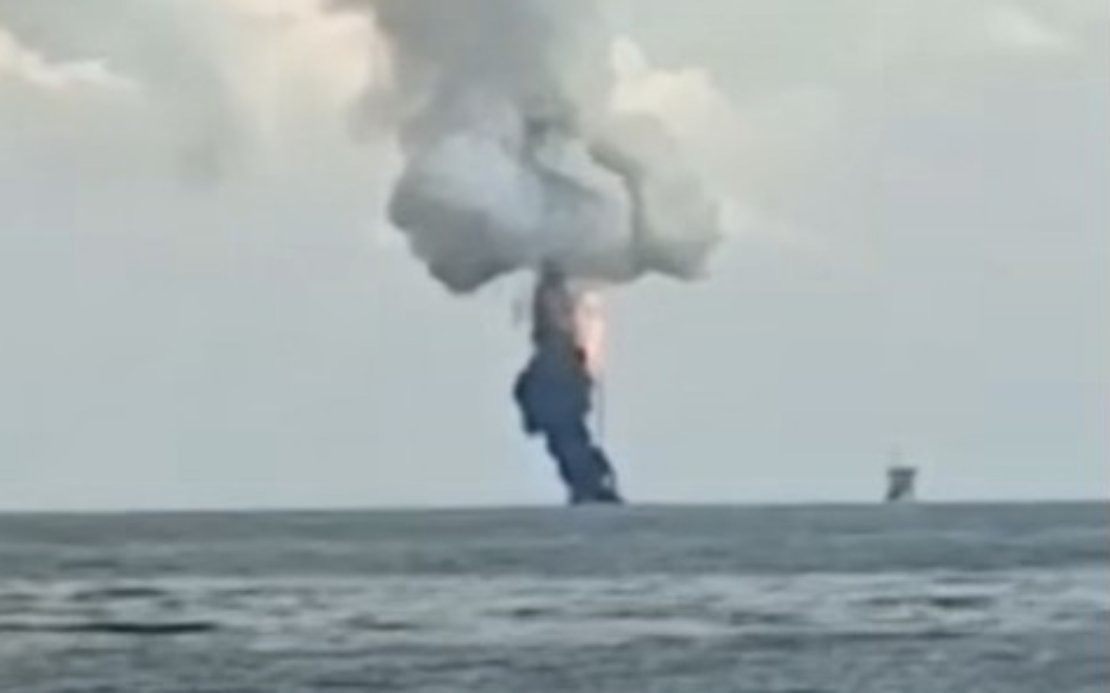
A fire broke out at the West Lutong Vent A offshore facility operated by Vestigo Petroleum Sdn. Bhd., a subsidiary of Petronas Carigali, on June 28 at approximately 2 pm. The incident, which was captured in viral video footage circulating on social media, prompted swift action from the company and relevant authorities to contain and assess the situation.
Vestigo Petroleum released a statement confirming the incident and detailing the immediate response measures undertaken. According to the company, the situation was brought under control through coordinated emergency protocols and the deployment of safety personnel and firefighting resources. The operator has emphasised that no personnel were injured or directly affected by the incident, and the facility's emergency response systems functioned as designed to contain the fire and prevent escalation.
The investigation into the root cause of the fire remains ongoing, with Vestigo working in cooperation with regulatory bodies and industry partners to establish the circumstances that led to the incident. Such investigations typically examine equipment malfunction, human factors, maintenance records, and operational procedures to prevent recurrence. The transparent approach to incident reporting demonstrates compliance with Malaysia's stringent offshore safety regulations administered by the Department of Safety and Health and the Malaysian Petroleum Safety Association.
A critical aspect of the company's statement addresses environmental and community concerns. Vestigo has confirmed that the incident posed no immediate threat to surrounding communities or the marine environment, with appropriate containment and monitoring measures implemented to safeguard the area. This assurance reflects the heightened focus on environmental protection in Malaysian offshore operations, particularly given the sensitivity of operations in Sarawak waters and their proximity to fishing communities and ecosystems.
The West Lutong Vent A facility is part of Petronas' broader offshore portfolio in Sarawak, a region that has contributed significantly to Malaysia's petroleum production and export revenues for decades. These operations support employment across the state and contribute to upstream sector activities that remain central to Malaysia's energy infrastructure, despite the global transition toward renewable sources. The facility's operational continuity is therefore of economic and strategic importance to the nation.
Vestigo's commitment to safety protocols is underscored by its statement emphasizing the protection of personnel and operational integrity. Offshore petroleum facilities operate under rigorous international standards and Malaysian-specific requirements that mandate comprehensive safety management systems, regular inspections, and employee training. The incident serves as a reminder of the inherent risks associated with offshore operations and the necessity of continuous vigilance and investment in safety infrastructure.
The rapid social media circulation of the incident highlights the transparency challenges facing energy operators in the digital age. Video evidence can be shared instantaneously across platforms, shaping public perception before official statements are released. Vestigo's prompt and detailed response mitigates misinformation and demonstrates accountability to stakeholders, including the public, shareholders, and regulatory authorities. This proactive communication is increasingly expected from major operators working in sensitive marine environments.
The incident also underscores the importance of coordinated emergency response systems involving multiple agencies. Malaysia's offshore safety framework requires operators to maintain robust relationships with coastguard services, environmental agencies, and local authorities to ensure rapid response to any incidents. The involvement of relevant authorities in this case demonstrates the functioning of these collaborative mechanisms designed to protect both workers and the environment.
Looking forward, the investigation will likely yield insights relevant to the broader offshore industry in Southeast Asia. Malaysia, as a major oil and gas producer with established regulatory frameworks, often sees its safety lessons disseminated across the region's petroleum sector. Any findings from this incident analysis may inform industry best practices and contribute to continuous improvement in offshore safety standards across the Association of Southeast Asian Nations.
For Vestigo Petroleum and Petronas, the incident reinforces the operational pressures facing traditional energy producers amid global energy transition demands. Maintaining high safety standards while managing costs and preparing for future energy scenarios remains a critical challenge. The company's demonstrated capability to respond effectively to this incident provides confidence in its operational management, though the investigation's conclusions will be crucial in assessing whether additional preventive measures are warranted.
The broader implications for Malaysia's energy sector reflect the ongoing balancing act between maximizing resource extraction, ensuring worker safety, protecting the environment, and maintaining operational reliability. Sarawak's offshore fields remain significant contributors to federal revenue and state development, making incidents like this noteworthy for both industry performance metrics and regulatory oversight. The incident will likely be examined in detail by the Department of Safety and Health to ensure all regulatory requirements were met and to identify any system improvements for future operations.

