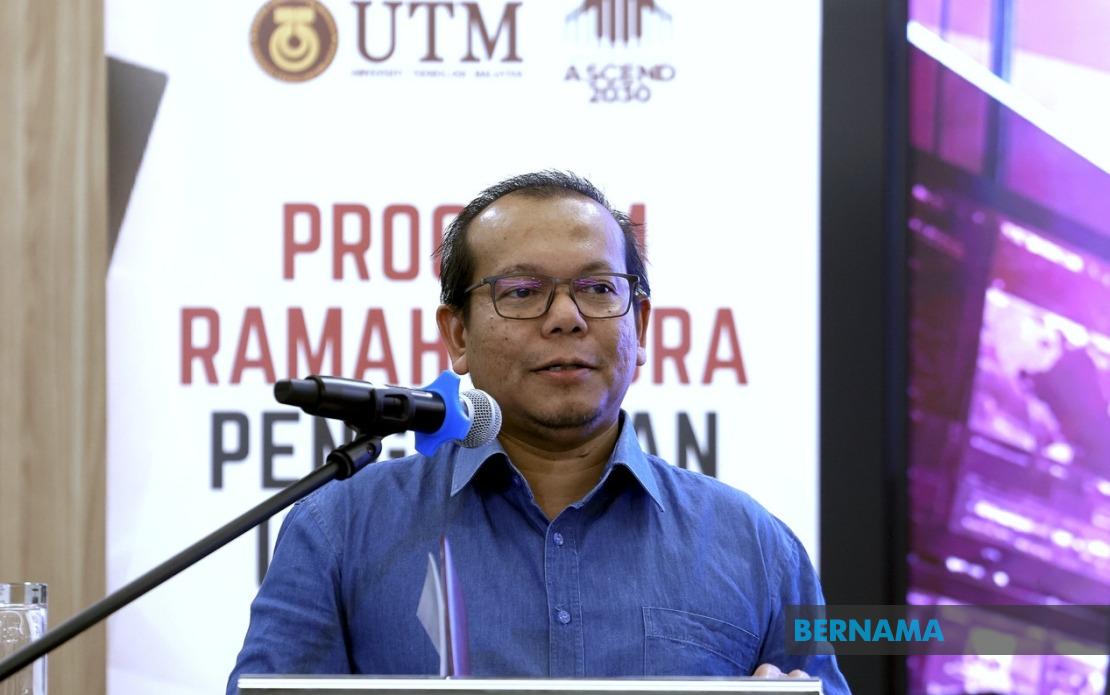
The University of Technology Malaysia is intensifying its engagement with news organisations and media practitioners, recognising that accurate information dissemination has become critical to maintaining public confidence in higher education institutions. During a University Management Media Networking Session, UTM vice-chancellor Prof Dr Mohd Shafry Mohd Rahim underscored the vulnerability of academic institutions to reputational damage from false allegations and distorted reporting, particularly in an era where misinformation spreads rapidly through multiple channels.
The stakes for universities extend far beyond public relations concerns. Higher education institutions serve as anchors for societal trust in research, innovation, and expert knowledge. When inaccurate information circulates unchallenged, it erodes not only individual university reputations but also public confidence in the broader academic sector. This erosion of trust carries long-term consequences for student recruitment, research funding, policy influence, and Malaysia's standing as a knowledge-based economy in Southeast Asia.
Prof Mohd Shafry articulated a fundamental challenge facing modern universities: the asymmetry between the time required to build institutional credibility and the speed with which negative narratives can damage it. Decades of consistent excellence, research contributions, and community engagement can be undermined by a single unverified claim or misreported finding that gains traction through social media and online platforms. This reality has prompted universities worldwide to reconceptualise their relationship with journalism and media organisations.
The collaboration initiative involves practical measures designed to improve the flow of accurate information from academic institutions to the public. UTM has committed to developing structured mechanisms that facilitate rapid dissemination of verified research findings and innovation announcements through media channels. By acting as a reliable source, the university aims to help journalists meet their commitment to factual reporting while reducing the information vacuum that misinformation often fills.
Training represents a significant component of UTM's strategy. The university plans to organise professional development programmes for media practitioners focusing on artificial intelligence—a field where accurate reporting is particularly challenging given its rapid evolution and widespread policy implications. By enhancing journalists' technical literacy and understanding of AI applications, UTM can contribute to higher-quality coverage that serves both the technology sector and the public interest. This investment in media capability building reflects a sophisticated understanding that collaboration requires building newsroom capacity.
The initiative also involves making UTM's academic experts more accessible to journalists seeking authoritative sources. By establishing clear protocols for journalists to identify and contact subject-matter experts across various disciplines, the university creates pathways for evidence-based reporting. This addresses a persistent challenge in journalism: finding credible, willing experts who can explain complex topics within tight publication deadlines. Malaysian media organisations, including Bernama, increasingly need access to reliable expert commentary on emerging issues from artificial intelligence to biotechnology.
The participation of Bernama's leadership—Chief Executive Officer Datin Paduka Nur-ul Afida Kamaludin and Acting Deputy Editor-in-Chief (Economic News Service) Harlina Samson—signals formal engagement with Malaysia's national news agency. Bernama's role as the country's primary news dissemination channel means that strengthening relationships here has multiplier effects across the Malaysian media ecosystem. When the national news agency prioritises accuracy and fact-checking through university partnerships, this sets standards that influence other news organisations.
For Malaysian readers and policymakers, this collaboration carries broader implications for the trustworthiness of information in the public sphere. Universities serve as credible institutions in societies often saturated with competing narratives and commercial interests. When they partner strategically with journalism organisations, they help establish fact-based reporting as a competitive advantage. This becomes increasingly important as Malaysia navigates complex policy debates around technology, education, and economic development where expert knowledge should inform public discourse.
The initiative also addresses a specific vulnerability in Southeast Asia's information environment. Misinformation and disinformation campaigns targeting academic institutions can undermine support for research funding, scientific literacy, and evidence-based policymaking. By strengthening relationships between universities and quality journalism, Malaysia can build greater resilience against such campaigns. The approach recognises that reputation management, while important, is secondary to the larger goal of ensuring that authentic expertise shapes public understanding.
Prof Mohd Shafry's aspiration that this collaboration will strengthen Malaysia's higher education ecosystem reflects the understanding that institutional reputations are interconnected. When one university falls victim to misinformation, public confidence in all universities can suffer. Conversely, when universities collectively work with quality news organisations to establish high standards for accuracy and source verification, the entire sector benefits. This collaborative approach positions Malaysian universities as contributors to a healthier information environment rather than passive victims of misinformation.
The mechanism UTM is developing for research dissemination promises practical benefits for both the academic and journalism communities. Structured announcements of research findings, translated into language accessible to general audiences, help journalists meet deadlines while ensuring accuracy. This reduces the likelihood that journalists will rely on incomplete information or second-hand sources when university findings could be communicated directly. Over time, such mechanisms can significantly elevate the quality of science and technology reporting in Malaysia.
Globally, universities increasingly recognise that media engagement is not optional but essential to institutional sustainability. The approach UTM is adopting—combining expert accessibility, professional training, structured information flows, and formal partnerships—represents best practices in university communication. For Malaysian higher education, this model offers a pathway to greater influence over public discourse about research, innovation, and the university's role in society. As Malaysia competes for regional prominence in knowledge creation and technology, the accuracy and sophistication of media coverage about academic work becomes an asset in that competition.

