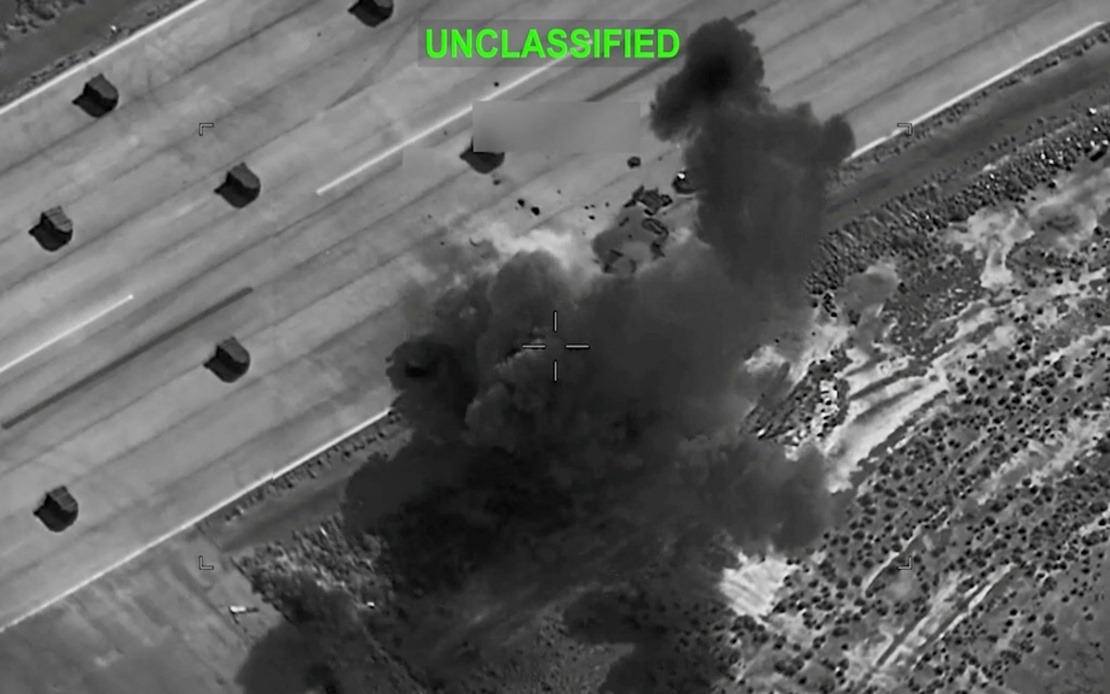
Fresh reports from Iran's Health Ministry paint a grim picture of civilian and military casualties following what Tehran describes as unprovoked American military strikes. According to Hossein Kermanpour, the ministry's spokesperson, at least 14 people have lost their lives and 78 others sustained injuries during bombing operations that targeted five separate provinces across Iranian territory on July 8 and 9, 2026. The escalation is particularly contentious given that both nations were operating under what Iran characterizes as an active ceasefire agreement at the time of the attacks.
Kermanpour disclosed the figures through a statement posted on social media platform X, offering a preliminary assessment of the humanitarian toll. Of those injured, 47 individuals remain hospitalized receiving ongoing medical care, while the remaining 31 wounded have been discharged after treatment. The compartmentalization of casualties across multiple provinces suggests the strikes were geographically dispersed, potentially targeting military installations, infrastructure, or strategic locations spread throughout Iranian territory rather than concentrated in a single region.
The timing of these operations during an ostensibly agreed ceasefire period represents a significant diplomatic breach, raising questions about the legitimacy and durability of whatever understanding existed between Washington and Tehran. Such violations during supposed periods of de-escalation typically trigger rapid diplomatic protests and can fundamentally undermine confidence-building measures that both sides may have invested months in establishing. For observers in Southeast Asia and beyond, the incident underscores the fragility of agreements in the Middle Eastern context, where military operations can proceed even as official channels maintain that peaceful arrangements remain in force.
The multi-provincial nature of the targeting operation indicates substantial military resources were deployed, suggesting this was a coordinated campaign rather than a isolated incident or accidental strike. Five separate provinces being affected simultaneously points to a premeditated strategy, possibly aimed at degrading military capabilities or hitting infrastructure deemed critical to Iranian defensive or offensive operations. This scale of operations requires significant planning, intelligence gathering, and logistical coordination, indicating the action was deliberate rather than reactive.
The distinction between civilian and military casualties in Iranian statements often remains unclear, as both countries dispute casualty figures and the nature of targeted sites. What Tehran labels as civilian areas, the United States military typically characterizes as legitimate military objectives. This fundamental disagreement over target legitimacy has persisted throughout decades of US-Iran tensions and continues to complicate international responses to such incidents. Malaysian policymakers monitoring regional security should recognize that interpretation of such events largely depends on which narrative one accepts, making independent verification crucial.
The humanitarian dimension cannot be overlooked, particularly regarding the 47 individuals still requiring hospital care. Medical systems in conflict zones face extraordinary pressure, and injuries from modern military strikes often result in complex trauma requiring specialized treatment. The capacity of Iranian healthcare infrastructure to manage mass casualty situations becomes strained during such incidents, potentially affecting civilian access to routine medical services and straining limited resources across the affected provinces.
For Malaysia and other Association of Southeast Asian Nations members, such escalations in the Middle East carry indirect but significant implications. Conflict intensity in that region affects global energy markets, maritime security through the Strait of Hormuz, and the stability of international trade routes upon which ASEAN economies depend heavily. Any widening of US-Iran hostilities risks disrupting supply chains and increasing commodity prices that flow through Southeast Asian trading networks. Additionally, such incidents can trigger refugee movements and humanitarian crises that eventually reach neighboring regions.
The strategic implications extend beyond immediate humanitarian concerns. If the United States is indeed conducting military operations despite agreed ceasefire terms, it signals a fundamental shift in diplomatic leverage and suggests either that the ceasefire agreement carried insufficient enforcement mechanisms or that the American administration calculated the benefits of military action outweighed the diplomatic costs. This calculation would reshape perceptions among other regional actors regarding the reliability of such agreements and the consequences of entering negotiations with Washington.
Iran's public disclosure of casualty figures through its Health Ministry suggests the leadership intends to internationalize the incident and marshal international opinion against further American operations. The strategy of rapidly publicizing figures aims to establish narrative control before alternative accounts circulate and to pressure neutral nations into diplomatic intervention. How international bodies and non-aligned nations respond to these reports will influence whether subsequent operations become increasingly constrained or whether the precedent enables further escalation.
The broader geopolitical context matters considerably for understanding these strikes. Years of mutual antagonism, nuclear negotiations, sanctions regimes, and proxy conflicts have created an environment where even agreed ceasefires remain fragile and subject to sudden reversal. The resumption of combat operations during what should have been a period of military restraint suggests fundamental disagreements persist about the terms, enforcement mechanisms, or underlying grievances that such agreements supposedly addressed.
Moving forward, international attention will likely focus on whether this constitutes an isolated incident or the beginning of renewed sustained operations. The nature of subsequent Iranian responses will be equally crucial in determining whether the situation further deteriorates or stabilizes through diplomatic channels. For Southeast Asian observers, monitoring these developments remains essential given the region's economic dependence on Middle Eastern stability and the potential for wider conflict to disrupt prosperity across the wider Indo-Pacific.

