The December G20 summit in Miami is shaping up to be a distinctly different affair from previous gatherings, with the United States aggressively reshaping the multilateral agenda to focus on priorities that diverge sharply from the group's traditional development-focused framework. During negotiations between senior diplomats, known as sherpas, who convened in Washington this week to draft the leaders' joint declaration, American representatives pressed for the removal of crucial language addressing poverty reduction, energy transition initiatives and gender equality—pillars that have anchored G20 discussions in recent years. Instead, the US delegation has signalled its preference for narrowing the summit's scope to issues including immigration controls, transnational crime prevention, terrorism countermeasures, foreign investment rules and what Washington characterises as fair trade arrangements.
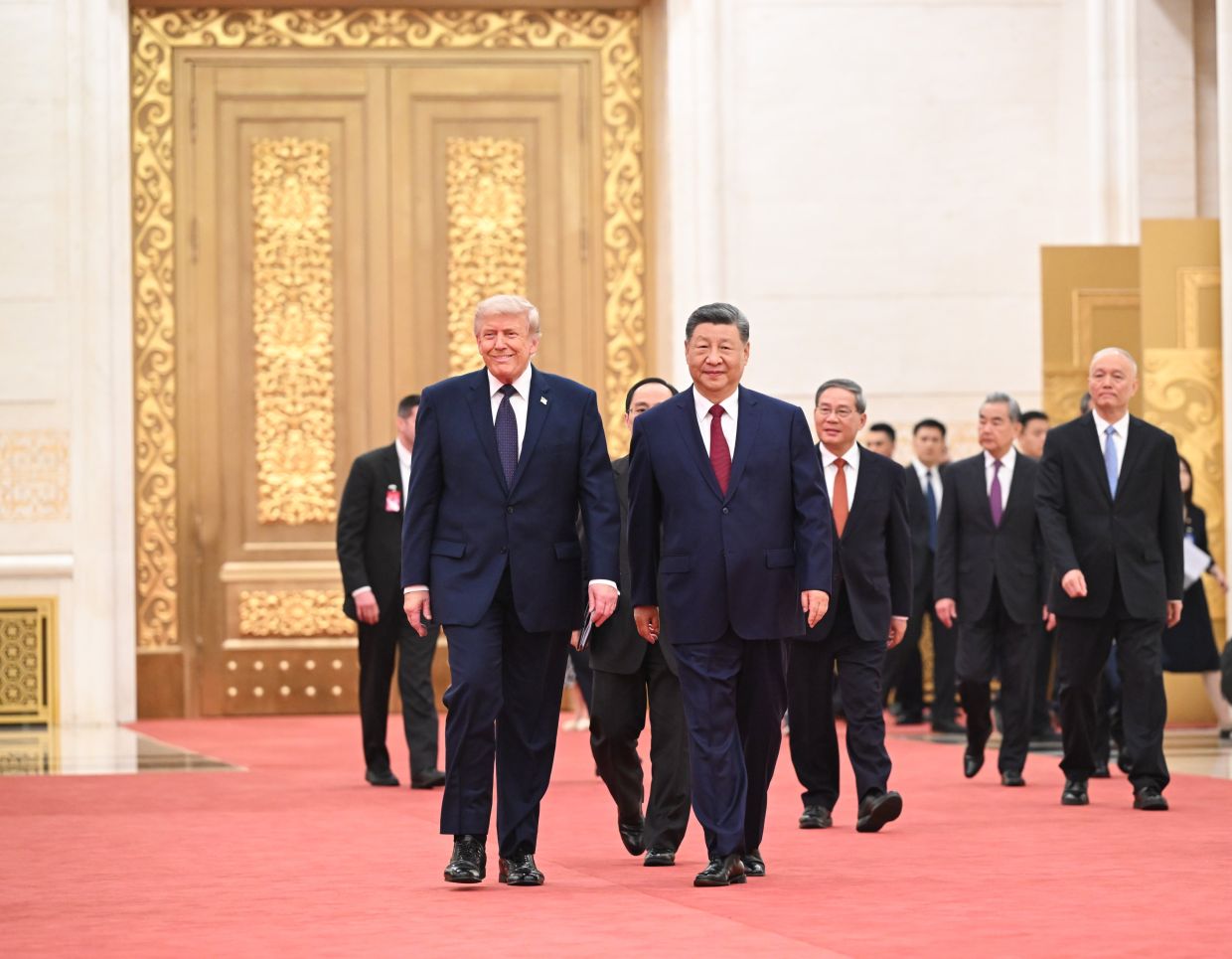
The strategic recalibration has prompted frank criticism from diplomatic observers and fellow members. Anonymous delegation members told journalists that the American approach, cultivated since December's preliminary drafting session, systematically favours the interests of the world's largest economy over those of smaller and developing nations within the group. One source offered a particularly pointed characterisation, suggesting that Washington views the entire gathering primarily as "a pretty backdrop for a photo of Trump and Xi"—a reference to the expected bilateral meeting between US President Donald Trump and Chinese leader Xi Jinping, scheduled to occur during the summit at Trump National Doral, the president's golf resort in Miami on December 14-15. This framing raises uncomfortable questions about whether the G20, conceived as a forum for coordinating responses to global challenges affecting all nations, is being instrumentalised as theatrical staging for bilateral great-power diplomacy.
Russia has openly echoed these frustrations, with ambassador-at-large Marat Berdyev publicly criticising the direction of negotiations. Despite voicing these objections through official channels at the state news agency Tass, Russian negotiators proceeded with active participation in this week's talks, with Denis Agafonov, head of the presidential experts' directorate and Russia's sherpa, leading the delegation. Agafonov's continued engagement suggests that Moscow, despite its grievances, believes maintaining a seat at the negotiating table remains strategically worthwhile. The Russian representative indicated that the Miami meeting's focus would address trade, energy and finance tracks alongside the bilateral preparations, attempting to preserve some multilateral substance amid the narrowing agenda.
China's posture throughout these negotiations has proven enigmatic and arguably consequential. The Chinese embassy in Washington declined to clarify whether parallel bilateral discussions between Trump and Xi are occurring simultaneously with the sherpas' formal meetings, a non-answer that itself conveys diplomatic meaning. More strikingly, when confronted with reports that the US had suspended advancing energy-transition initiatives—areas theoretically central to Beijing's climate policy architecture—Chinese negotiators registered no formal objection. A participating delegate expressed surprise at this restraint, noting the apparent inconsistency between China's stated commitment to renewable energy leadership and its silence as these environmental agenda items faced deletion from the joint statement.
When pressed for explanation, the Chinese embassy offered only a prepared statement emphasizing Beijing's domestic achievements in renewable energy deployment and carbon emission reduction policies, alongside assertions of its readiness to assist global climate efforts as a "responsible major developing country." The response notably avoided engaging with the procedural question of why China accepted the removal of energy-transition language from the G20 declaration. This diplomatic circumspection could reflect confidence that bilateral US-China arrangements supersede multilateral commitments, or alternatively, strategic calculation that preserving the relationship's atmosphere takes precedence over defending collective agenda-setting processes. The ambassador declined to identify which officials represented China in Washington this week, further shrouding Beijing's negotiating position in opacity.
The evolving G20 framework under American stewardship reveals broader tensions within the organisation regarding its fundamental purpose. This marks the second occasion during Trump's presidency that negotiations have proceeded without full consensus mechanisms intact, following a contentious April finance ministers' meeting that concluded without a joint statement or customary press conference. The exclusion of South Africa from full participation—an unprecedented decision in the group's history—has prompted objections from multiple governments, though South African President Cyril Ramaphosa's muted public response suggests diplomatic negotiations over the exclusion may continue behind closed doors.
For Malaysia and Southeast Asian nations observing from the broader international order, the Miami summit's trajectory carries significant implications. The deprioritisation of energy transition language represents a setback for climate-vulnerable developing economies throughout the region who depend on collective global commitments to renewable energy advancement and carbon reduction targets. A joint declaration shorn of such commitments undermines the normative framework supporting national climate policies and international climate finance flows upon which many emerging markets rely. Furthermore, the apparent bilateral prioritisation of US-China relations at the expense of multilateral consensus-building creates uncertainty regarding global economic governance frameworks on investment, trade rules and financial stability—domains where Southeast Asian economies have significant stakes.
The narrowing agenda also reflects a broader philosophical divergence about the G20's role. Proponents of the expanding focus argue that development challenges, environmental sustainability and social equity remain fundamental to global stability and prosperity, particularly for developing members. The opposing view, seemingly ascendant in Washington's current approach, treats the G20 primarily as a vehicle for great-power coordination on security and economic competitiveness issues. This philosophical clash becomes consequential when institutionalised through formal declarations that shape the international community's policy trajectory across years and successive presidencies.
The climate dimension deserves particular scrutiny given Southeast Asia's acute vulnerability to environmental degradation. Analysts have previously noted that China's domestic 35 percent carbon reduction target by 2030—the framework document being defended by the Chinese embassy—falls substantially short of the approximately 30 percent reductions necessary to align with the Paris Agreement's pathway limiting global temperature increases to 2 degrees Celsius. The absence of new collective G20 commitments on energy transition effectively leaves the region reliant on increasingly fragile voluntary national pledges that lack the enforcement mechanisms and financing provisions embedded in robust multilateral frameworks. Malaysia's own renewable energy expansion plans and climate commitments depend partially on the global investment climate and policy certainty that consistent G20 declarations help establish.
The geopolitical choreography surrounding the Miami summit also illuminates shifting power dynamics within the international system. The apparent willingness of multiple nations to acquiesce to American agenda-setting—whether through silence, continued participation despite objections, or vague statements avoiding substantive engagement—suggests a recalibration of diplomatic leverage. Rather than the G20 functioning as a mechanism for building consensus among roughly equal partners, the current trajectory suggests Washington's capacity to unilaterally reshape outcomes, with other powers either unable or unwilling to mount coordinated resistance. For middle powers like Malaysia that have traditionally sought influence through multilateral coalition-building, this development underscores the importance of strategic alignment with like-minded nations and the potential value of alternative forums for advancing shared development and climate agendas.
The substantive removal of poverty reduction language from the joint declaration warrants separate consideration, particularly given that multiple G20 members, including several Southeast Asian economies, still contend with significant development challenges. Poverty reduction has historically served as a unifying theme across G20 declarations, acknowledging shared responsibility for supporting global prosperity beyond the interests of the world's largest economies. The deliberate excision of this language signals a reorientation away from development partnership frameworks toward emphasis on security cooperation and bilateral economic competition. This shift may accelerate the marginalisation of the G20 itself as the primary forum for global economic governance, potentially strengthening alternative arrangements such as regional partnerships or issue-specific coalitions where developing nations retain greater agency.
As the December summit approaches, the Miami gathering appears poised to deliver a declaration reflecting narrower American interests rather than genuine collective problem-solving across the G20's diverse membership. The combination of compressed agenda scope, prioritised bilateral diplomacy, and apparent acquiescence from other major powers suggests that the communiqué may ultimately prove less significant for global governance than the summit's role as theatre for US-China relations. For Malaysia and Southeast Asia, this development underscores the importance of diversifying engagement across multiple international forums and strengthening regional mechanisms for climate action and development cooperation that do not depend on great-power consensus or institutional arrangements increasingly shaped by bilateral rather than multilateral considerations.

