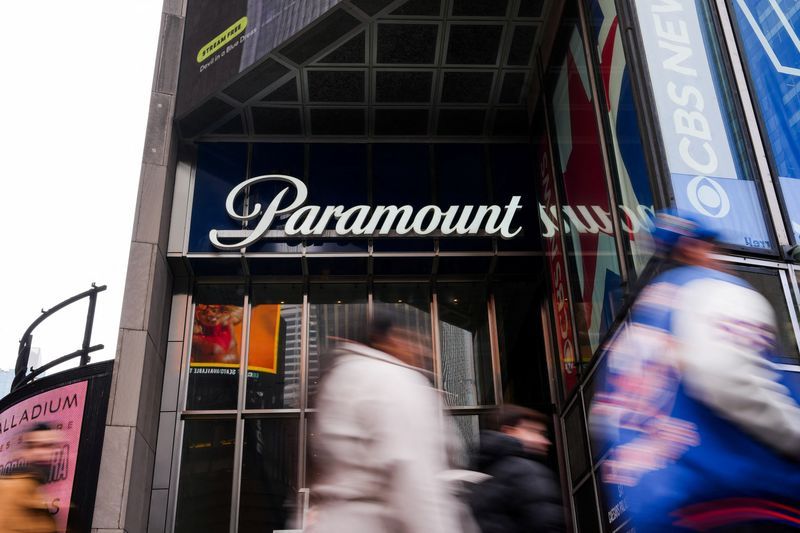
A coalition of twelve American states, spearheaded by California's Attorney General Rob Bonta, has launched a legal challenge against the proposed merger between Paramount and Warner Bros Discovery, contending that the deal threatens the already precarious position of local movie theaters while simultaneously reducing competition in the cable television sector. The lawsuit represents mounting concern that further consolidation in Hollywood's studio system could force moviegoers to pay more for tickets and inferior viewing experiences, even as the theatrical exhibition industry continues its gradual recovery from pandemic-era losses.
Bonta articulated the core grievance during a Monday news conference held symbolically before the Hollywood sign, explaining that the combined entity would wield excessive leverage over theater operators. Should the merger proceed, studios could demand larger shares of ticket revenue from cinema chains, leaving owners with no alternative but to either raise prices or forgo the kind of facility improvements that have become essential to competing with streaming services. These upgrades—premium seating, expanded food offerings, state-of-the-art screens—have proven critical as exhibitors attempt to lure audiences back to physical locations in an era of entertainment fragmentation.
The complaint alleges that consolidating two of America's five major film distributors would give the new conglomerate unprecedented market concentration, with projections indicating control exceeding 27 percent of both theatrical distribution and basic cable channels. This concentration would fundamentally alter power dynamics throughout the entertainment supply chain. Where studios and theaters have historically negotiated relatively balanced revenue-sharing arrangements, often splitting box-office proceeds 50-50 before studios claim as much as 60 percent for blockbuster releases, a strengthened Paramount-Warner entity could dictate even harsher terms without meaningful competitive pressure.
Representatives of independent theater operators, speaking cautiously due to fear of professional retaliation, have privately expressed alarm at the prospect. An unnamed executive at an independent cinema chain warned that the combined studio could substantially increase rental fees for major releases that drive audience attendance. The calculus facing exhibitors would become grimmer: accept steeper terms from studios, raise ticket prices to compensate, or reduce investment in the amenities necessary to maintain customer appeal. Each pathway compounds challenges already facing an industry struggling to restore pre-pandemic attendance levels.
Box office performance in North America reveals the ongoing fragility of theatrical exhibition. Year-to-date receipts in 2026 reached $5.1 billion, representing growth of 10.6 percent compared to the previous year, yet remaining 16.3 percent below 2019 levels before the coronavirus disrupted moviegoing habits. This recovery trajectory underscores why theater owners and state officials view further consolidation with alarm. Cinema chains have been investing heavily in facility enhancements specifically to differentiate themselves from home streaming alternatives, yet greater revenue pressure from studios would force them to curtail these competitive investments precisely when consumer confidence in theatrical entertainment remains fragile.
Cabinet-level officials in California and allied states including Oregon, New York, and Minnesota argue that the merger threatens cable television consumers as well. The combined company would control a constellation of major networks including CNN, TNT, Food Network, and HBO, substantially diminishing incentive for competitive network marketing to cable distributors. Currently, separate studios competing for carriage arrangements with pay-TV providers create natural pressure to offer favorable terms. A merged entity would eliminate this competitive friction, allowing the company to impose contract conditions that pay-TV operators would struggle to refuse, ultimately translating into higher cable bills for millions of households.
Paramount, under Chief Executive David Ellison's leadership, has forcefully contested the legal characterization, issuing statements arguing that the lawsuit misrepresents modern entertainment market realities and distorts settled antitrust doctrine. Company officials contend that the entertainment industry has fundamentally transformed through technological disruption, making comparisons to older merger precedents inapplicable. The studio emphasizes that blocking the transaction would harm entertainment sector employment, already diminished by technology-driven industry changes, and cost California substantial economic activity.
Yet the merger carries financial pressures that could accelerate its timeline. Ellison has committed to paying Warner Bros Discovery shareholders a quarterly "ticking fee" of approximately $650 million if the transaction fails to close before October. This substantial quarterly payment creates intense financial incentive to resolve the litigation and complete the deal, potentially influencing how aggressively Paramount contests the lawsuit or negotiates settlement terms with plaintiff states.
Cinema United, a trade association representing theater operators, has enthusiastically supported the legal challenge, recognizing that merger-driven studio consolidation threatens not merely Hollywood's corporate landscape but the cultural and economic function of neighborhood cinemas across America. Organization President Michael O'Leary emphasized that local movie theaters serve as community anchors, contributing cultural vitality and economic activity to Main Streets nationwide. Further studio consolidation, he argued, would undermine these community institutions through leverage dynamics that disadvantage independent operators.
The current lawsuit implicitly draws lessons from recent merger history. California officials noted that the 2019 Walt Disney acquisition of entertainment assets from Fox demonstrated consolidation risks. Following that transaction, Disney and Fox collectively distributed 112 wide-release films between 2015 and 2018, yet this number dropped precipitously to 54 releases during the 2022-2025 period. This contraction reduced content availability to competing theaters and potentially signaled how consolidated studios might prioritize fewer, higher-revenue releases over diverse theatrical offerings.
Meanwhile, the states' complaint notably does not oppose Paramount's separate plans to merge its Paramount+ streaming service with Warner Bros' HBO Max. This strategic omission suggests that regulators distinguish between theatrical and streaming distribution concerns, or alternatively acknowledge that the streaming landscape permits different competitive dynamics. The focus remains narrowly targeted at theatrical exhibition and cable television—sectors where the merged entity would control scarce, essential distribution channels that competitors and consumers cannot easily circumvent.
The litigation represents a significant test of antitrust enforcement in the entertainment sector, where consolidation pressures have intensified for decades yet merger velocity has accelerated in recent years. Whether courts will accept arguments about market concentration percentages and leverage asymmetries remains uncertain, particularly given judicial skepticism toward merger challenges in the post-pandemic era. However, the states' emphasis on tangible consumer harms—higher ticket prices, inferior cinema experiences, elevated cable bills—offers concrete damages that go beyond abstract competition theory, potentially resonating more persuasively with judges and juries evaluating merger consequences.

