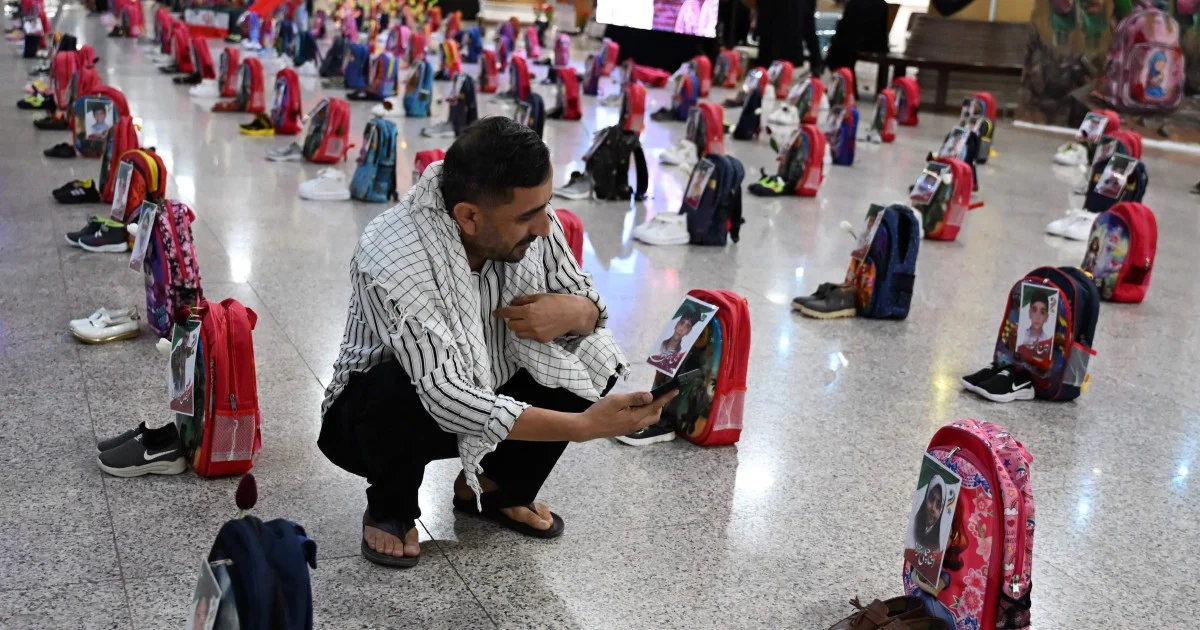
Democratic senators led by Kirsten Gillibrand have intensified pressure on the Trump administration to release findings from a Pentagon investigation into a controversial military strike on an Iranian girls' school carried out on February 28. The lawmakers issued their demand on Monday, setting a one-week deadline for the Defence Department to make public the results of its probe into the incident.
The February 28 strike has remained a focal point of international scrutiny and domestic political debate, with questions persisting about the circumstances surrounding the operation and its casualties. The targeting of an educational facility housing young female students raised significant concerns among human rights groups and lawmakers across the political spectrum, though assessments of what occurred at the site have varied considerably depending on the source.
Senator Gillibrand and her Democratic colleagues are positioning the demand for transparency as essential to public accountability and informed governance. Their assertion reflects broader tensions between Congress and the executive branch over military operations abroad, particularly when civilian infrastructure becomes involved in strikes. The seven-day timeline represents an aggressive push to expedite the disclosure process, suggesting that the senators view the matter as time-sensitive and warrant urgent action.
The Pentagon's investigation itself indicates that the military establishment conducted an internal review of the operation, though the scope and conclusions of that examination have remained confidential. Standard military protocol typically requires such investigations to examine targeting decisions, intelligence assessments, and post-strike assessments to determine whether operations complied with laws of armed conflict and military targeting guidelines. The investigators would have examined whether commanders possessed sufficient intelligence to justify the strike and whether precautions were taken to minimise civilian harm.
For Southeast Asian observers and policymakers, this episode illustrates the growing international attention to military operations in the Middle East and the intersection of military decision-making with diplomatic consequences. The demand for transparency reflects how domestic US political considerations increasingly influence foreign policy implementation and accountability mechanisms. The pattern of Congressional oversight, whether coordinated or contentious, shapes how American military commitments abroad are perceived and assessed by international partners, particularly in the region's strategic calculus regarding US reliability and consistency.
The Democratic senators' intervention also underscores the complicated relationship between the Trump administration and Congressional Democrats regarding military and foreign policy matters. Calls for disclosure of classified or sensitive military findings often encounter resistance from executive branch officials who argue that transparency could compromise sources, methods, or ongoing operations. However, lawmakers maintain that the public interest in understanding major military operations supersedes such considerations, particularly when civilian casualties or significant political implications are involved.
The investigation's findings could contain sensitive details about intelligence collection, targeting procedures, and assessments of damage and casualties. The administration's decision whether to comply with the one-week deadline will signal the extent to which it prioritises transparency against national security considerations as it defines them. Previous administrations have struggled with similar decisions, balancing Congressional demands for accountability with concerns about operational security and classified information protection.
The incident at the Iranian girls' school also carries implications for US-Iran relations and broader regional dynamics. Public disclosure of investigation findings could either reinforce concerns about civilian casualties or provide reassurance about military procedures if the findings indicate that targeting was justified and precautions were observed. Either outcome will likely influence international perception of the strike and the United States military conduct more broadly.
For Malaysian policymakers monitoring developments in the Middle East and US foreign policy, this episode demonstrates how transparency demands from domestic legislatures can shape military accountability standards. It raises questions about how international norms regarding civilian protection in armed conflict are enforced and how governments balance operational security with public accountability, issues relevant to regional discussions about military conduct and international humanitarian law.
The senators' deadline places the Trump administration in a position requiring rapid decision-making about disclosure. The coming week will reveal whether the administration views Congressional pressure as sufficiently compelling to warrant release of sensitive military findings, or whether it will assert executive prerogatives to withhold classified material. The outcome will have ramifications not only for public understanding of this particular incident but also for the broader precedent regarding transparency in military operations and Congressional oversight of the Pentagon.

