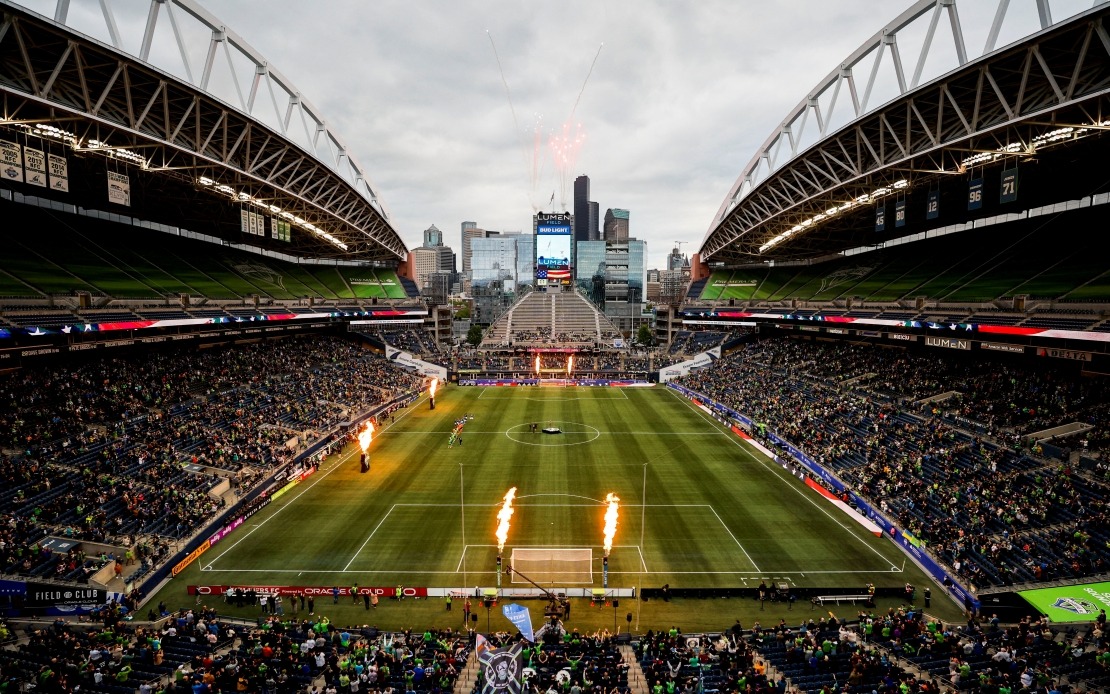
Diplomatic officials at the United States embassy in Mexico City have issued a public advisory cautioning American nationals residing in or visiting the country to remain vigilant during the World Cup round-of-16 fixture between Mexico and England scheduled for Sunday evening. The match carries particular significance given Mexico's status as co-host alongside the United States and Canada, adding layers of national pride and intense public engagement that typically characterise high-stakes football encounters in the region.
Kickoff is set for 6 pm local time on Sunday, equivalent to midnight Greenwich Mean Time on Monday. This timing, falling in the evening hours, means anticipation will build throughout the day as Mexican supporters prepare for what represents their nation's continued progression in the tournament. The scheduling has prompted authorities to prepare for extraordinary public activity across Mexico City and throughout the country, where spontaneous gatherings and organised viewing events are anticipated in plazas, restaurants, bars, and public spaces.
The embassy's caution reflects troubling patterns observed at recent public viewing events across Mexico. Previous tournaments and matches have resulted in serious incidents involving crushes and fatalities occurring when enthusiastic crowds exceeded safe capacity levels at designated gathering points. These incidents underscore the genuine dangers posed by uncontrolled mass assembly, particularly when spectators become emotionally invested in the outcome of high-profile sporting contests. The warning represents an attempt to ensure that American citizens understand these environmental hazards and take appropriate protective measures.
Beyond the physical risks inherent to large gatherings, the embassy also flagged the potential for political demonstrations to emerge during or around the match. Such demonstrations could arise from various grievances unrelated to football itself, or they might be organised specifically to capitalise on the attention and media scrutiny surrounding a major World Cup event. In Mexico City, where political activism is a visible feature of urban life, the convergence of massive crowds and heightened emotions creates conditions where demonstration activity becomes more likely.
For American citizens, this presents a particular legal concern that the embassy felt obligated to highlight. Under Mexican law, foreign nationals are explicitly prohibited from participating in political demonstrations or protest activities of any kind. This restriction, rooted in Mexican sovereignty principles, carries serious consequences for violation. Americans found engaging in such activities risk arrest and potential deportation proceedings, creating jeopardy for tourists, business travellers, and expatriate residents alike. The embassy therefore emphasised that citizens must scrupulously avoid any involvement in demonstrations, regardless of the cause or their personal sympathies.
The official guidance instructs American citizens to maintain heightened situational awareness throughout the period surrounding the match. This practical advice encompasses remaining alert to one's surroundings, monitoring crowd dynamics, having an exit strategy should situations deteriorate, and avoiding areas where large concentrations of people have gathered if circumstances appear unstable or unpredictable. For those planning to watch the match in public settings, the embassy implicitly recommended selecting venues that offer better safety controls and crowd management infrastructure.
For Malaysian readers and regional observers, this advisory illuminates broader security management challenges facing nations hosting major sporting events, particularly in settings where large crowds, sporting passion, and political sensitivities intersect. Malaysia's own experience hosting international sporting events provides relevant perspective on balancing public enthusiasm with security imperatives. The Mexico situation demonstrates how even developed nations with established institutional frameworks must grapple with real risks stemming from mass gatherings and the need to communicate those risks transparently to international nationals.
The World Cup's tri-national hosting arrangement itself reflects the geopolitical significance attached to the tournament. By bringing together the United States, Mexico, and Canada as co-hosts, the tournament represents broader continental cooperation while simultaneously creating scenarios where national rivalries and domestic political currents intersect with international sporting competition. The England-Mexico match particularly captures these tensions, pitting a traditional European football power against the host nation before a Mexican audience.
The embassy's communication strategy reveals how diplomatic missions balance between appearing overly alarmist and failing to adequately prepare their constituents for genuine risks. By providing specific historical reference to crowd-related incidents and clearly explaining legal restrictions, the statement conveys serious concern without resorting to hyperbolic language. For American citizens in Mexico, the advisory serves as a practical reminder that major sporting events, while celebratory occasions, simultaneously create conditions requiring heightened caution and situational vigilance.

