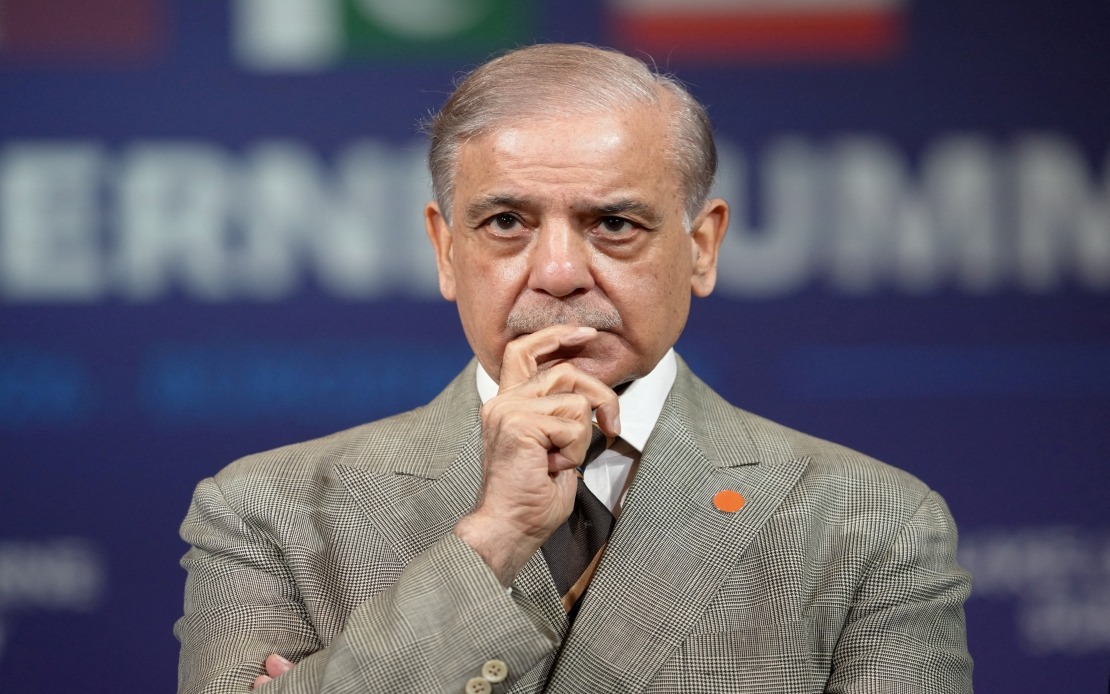
Pakistan's Prime Minister Shehbaz Sharif has indicated that the United States and Iran are entering a critical phase of diplomatic engagement, with both nations expected to pursue detailed technical negotiations over the coming two months. Speaking during his address to the National Assembly in Karachi, Sharif outlined an ambitious timeline for resolving longstanding tensions between Washington and Tehran, emphasising that substantive progress has already been achieved through earlier discussions held in Switzerland.
The comments follow the signing of the Islamabad Memorandum of Understanding on June 17, a multilateral accord that formalises the framework for these negotiations. Pakistan has positioned itself as a key facilitator in these talks, alongside Qatar, reflecting the region's strategic interest in de-escalation between the US and Iran. Sharif expressed optimism that the current MoU could evolve into a comprehensive and durable agreement within the 60-day window, signalling that both parties have demonstrated sufficient commitment to warrant such a timeline.
The agenda for these forthcoming discussions is notably expansive. According to Sharif, negotiators will tackle three primary issues: Iran's nuclear programme, long-frozen Iranian assets that have been immobilised by international sanctions, and the broader question of ballistic missile development. These three components represent the historical sticking points in US-Iran relations, with each carrying profound implications for regional security architecture and Iran's economic recovery.
Yet even as Pakistan's premier celebrated momentum, Iran's Foreign Ministry struck a more cautious tone regarding the scope of negotiations. Spokesman Esmaeil Baghaei clarified that Tehran's ballistic missile capabilities have never been part of the substantive discussions with Washington during the Switzerland talks, and Iran does not intend to place this issue on the negotiating table going forward. This distinction is significant, as it suggests that while Iran may be willing to discuss transparency around its nuclear activities, it views its missile programme as a matter of national sovereignty outside the purview of international diplomacy.
Baghaei further emphasised that Iran will not grant inspectors from the International Atomic Energy Agency access to military or nuclear facilities that were previously targeted during joint US-Israeli operations. This position reflects Tehran's determination to prevent inspections that could be leveraged for intelligence gathering or targeted strikes. The refusal represents a potential flashpoint, as previous nuclear agreements have hinged upon robust verification mechanisms and international oversight.
The broader geopolitical context makes these negotiations exceptionally delicate. Relations between the US and Iran have deteriorated significantly following Israel's military actions, which targeted Iranian nuclear and military infrastructure. The damage to these facilities has intensified Iran's security concerns and hardened its negotiating posture. Pakistan and Qatar, as mediators, face the challenge of bridging a widening gap between Washington's demand for comprehensive transparency and Tehran's insistence on protecting sensitive military installations from external scrutiny.
For Southeast Asia and the Indian subcontinent more broadly, the outcome of these negotiations carries considerable weight. A breakdown in talks could trigger further regional instability, with potential consequences for global oil markets, maritime security, and the broader balance of power in the Middle East. Conversely, a successful agreement could reduce geopolitical tensions and create opportunities for enhanced trade and regional cooperation, benefiting economies throughout Asia that depend on stable energy supplies and unimpeded shipping routes.
Pakistan's active mediation role underscores its strategic ambitions to position itself as a crucial bridge between major global powers. By hosting the Islamabad MoU and facilitating dialogue, Islamabad seeks to elevate its diplomatic profile and demonstrate its capacity to influence outcomes in high-stakes international negotiations. This initiative also serves Pakistan's interests in promoting regional stability, as any escalation between the US and Iran could destabilise the broader Middle Eastern theatre and indirectly affect Pakistani security.
The technical nature of the upcoming discussions suggests that both sides are moving beyond broad diplomatic posturing toward concrete problem-solving. The establishment of specific mechanisms and working groups implies that negotiators will delve into detailed legal language, verification protocols, and implementation timelines. Success will depend not only on political will at the highest levels but also on the capacity of technical experts to identify creative solutions that address core security concerns on both sides.
The 60-day timeframe, while ambitious, reflects the urgency both parties feel regarding the normalisation process. However, observers note that previous negotiations involving Iran and international powers have frequently extended beyond initial deadlines. The compressed timeline may create artificial pressure that either accelerates consensus-building or, conversely, pushes negotiators toward incomplete agreements that unravel under scrutiny.
Sharp disagreements over missile programmes and facility access illustrate the challenges ahead. Iran's refusal to discuss ballistic missiles or grant IAEA access to certain installations suggests that fundamental gaps remain unresolved. These differences will likely dominate the next phase of talks, with both sides needing to make significant concessions or find creative compromises that satisfy domestic constituencies deeply invested in the outcome.
The involvement of Pakistan and Qatar as mediators also reflects broader regional dynamics. Both nations have historical ties to Iran and maintain important relationships with the United States, positioning them to facilitate dialogue. Their credibility with both parties will be essential as negotiations progress and inevitable disagreements emerge over specific technical details and verification measures.