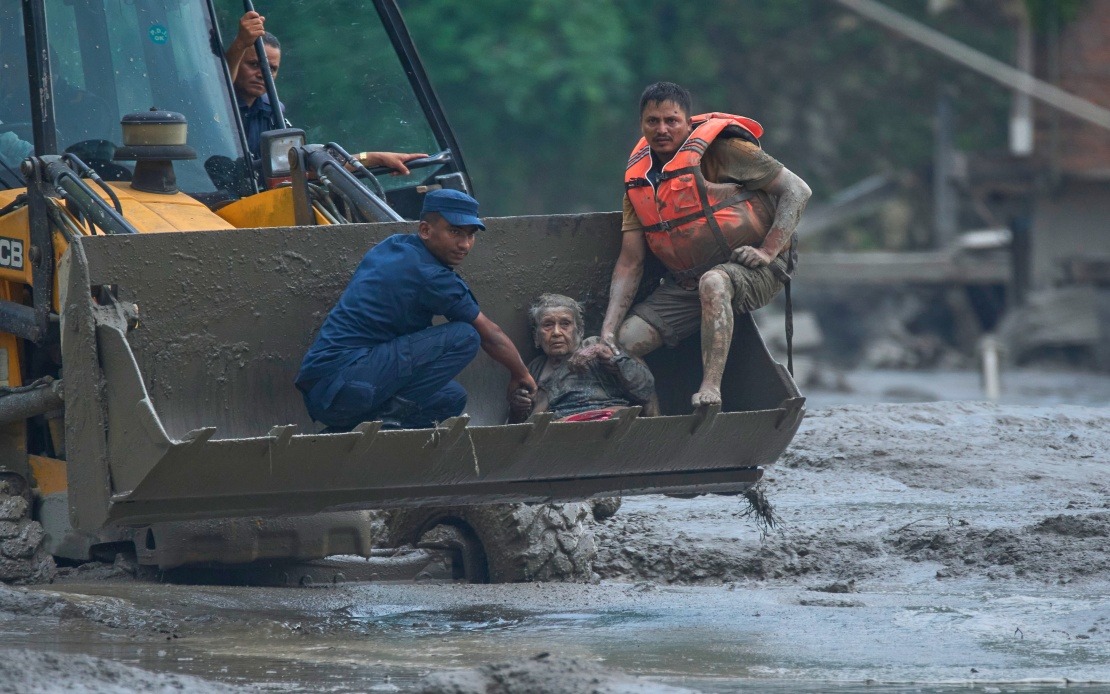
Nepal faces a humanitarian crisis after devastating flash floods and mudslides ravaged regions bordering China, prompting both the United States and Canada to announce immediate readiness to deploy emergency assistance to the stricken nation. The natural disaster has triggered an unprecedented regional emergency that has claimed at least 160 lives and left more than 680 people unaccounted for, according to figures released by Nepalese authorities. The scope of destruction extends far beyond the human toll, with critical infrastructure across the affected zones reduced to wreckage.
US Secretary of State Marco Rubio conveyed Washington's commitment to supporting Nepal's government through necessary humanitarian channels, signalling that American resources and expertise would be mobilised to address the immediate crisis. In his statement, Rubio extended solidarity to the Nepali population, framing the American response within a broader expression of shared concern. The diplomatic language underscored the gravity with which the Biden administration views the unfolding catastrophe and its implications for bilateral relations with Kathmandu.
Canada's Prime Minister Mark Carney similarly characterised the disaster as "absolutely devastating" in his own public statement, acknowledging the widespread suffering inflicted on communities throughout the affected areas. Carney emphasised that Canadians across the country were thinking of those directly impacted by the calamity, including families grieving lost loved ones and those still awaiting word of missing relatives. His remarks reflected the emotional weight of the crisis, particularly given the significant number of Canadian nationals caught in the disaster.
Among those unaccounted for are at least 47 American citizens and 24 Canadian nationals, according to data compiled by Nepalese authorities. Neither Washington nor Ottawa has independently verified these figures through their own consular systems, creating a window of uncertainty regarding the precise number of nationals in danger or requiring assistance. The discrepancy between Nepalese reports and pending official confirmation highlights the fog of information that typically surrounds major disasters in remote regions with limited communication infrastructure.
The physical devastation wrought by the floods presents an extraordinary challenge to relief efforts already hampered by geographical constraints and infrastructure collapse. Nepalese government assessments indicate that thirteen hydropower facilities have been destroyed, depriving the nation of critical energy sources at a moment when power is desperately needed for emergency operations and recovery work. Additionally, the floods have obliterated forty kilometres of roads, severely hampering the movement of rescue teams and humanitarian supplies into affected communities.
The scale of infrastructure damage extends to bridges and vehicle fleets as well, with authorities reporting that nineteen bridges were swept away by the torrential water and mud surges. Approximately two hundred trucks, many of which likely belonged to commercial operators or government agencies, have also been lost to the flooding. These losses compound the challenge of establishing functioning supply chains for food, medicine, and other essentials to isolated communities cut off by the destruction.
For Malaysia and other Southeast Asian nations, Nepal's calamity serves as a sobering reminder of the region's shared vulnerability to climate-driven natural disasters and the importance of strengthening disaster preparedness mechanisms. The flooding in Nepal, occurring within the broader context of increasingly severe weather patterns affecting the Asian continent, underscores how environmental changes respect no borders and demand coordinated regional responses. Malaysian policymakers and humanitarian agencies will likely monitor the international relief effort as a case study in multilateral disaster response.
The involvement of both major Western powers in offering assistance demonstrates how natural disasters transcend geopolitical considerations and create space for humanitarian cooperation. However, the actual delivery of aid depends on Nepal's government approving foreign assistance, establishing secure corridors for aid delivery, and coordinating with international partners on the ground. The effectiveness of the American and Canadian response will depend not only on the speed of their mobilisation but also on their ability to work within Nepal's own disaster management framework.
For Nepali citizens and the families of missing foreigners, the pledge of international support offers some solace amid the chaos and uncertainty. As rescue operations continue in the treacherous terrain of the affected zones, where additional mudslides and aftereffects of the flooding remain genuine hazards, every available resource becomes critical. The coming weeks will test whether the stated commitments from Washington and Ottawa translate into substantive humanitarian action that meaningfully reduces suffering and accelerates recovery in Nepal's devastated communities.

