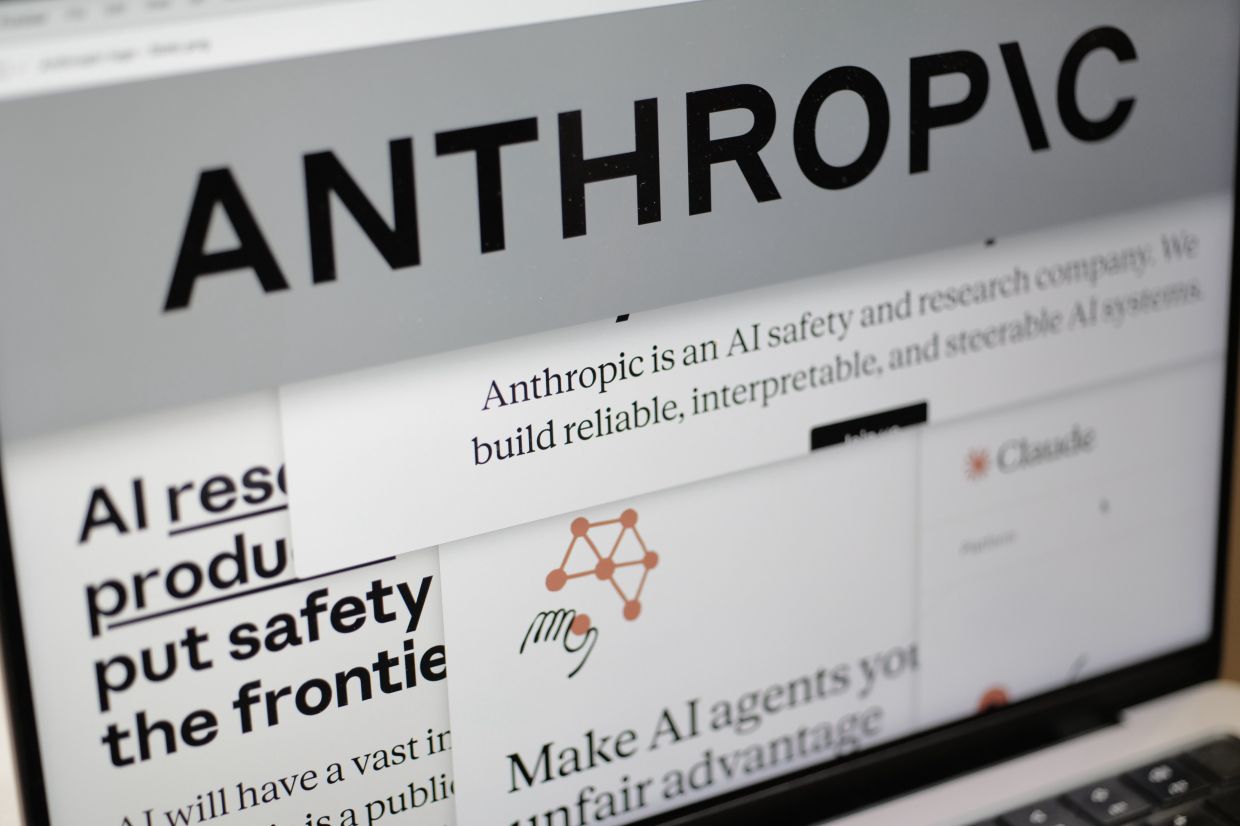
Legion, a litigation-technology startup headquartered in the United States, has launched a legal challenge against Washington's newly imposed export restrictions on advanced artificial intelligence models, marking the first significant court test of the Trump administration's AI technology controls. The company filed its complaint in federal court in Washington on June 23, arguing that Anthropic's decision to disable access to its most capable models—Fable 5 and Mythos 5—following a government directive has caused immediate and potentially fatal damage to its operations and competitive standing.
The restrictions stem from a Commerce Department letter sent to Anthropic's Chief Executive Officer Dario Amodei by Commerce Secretary Howard Lutnick, requiring the company to obtain government permission before exporting its most advanced models outside the United States or making them accessible to foreign nationals, regardless of location. This requirement reflects broader Biden and now Trump administration concerns about maintaining American technological leadership while preventing foreign adversaries and even allied nations from accessing cutting-edge AI capabilities that could enhance military or intelligence operations.
Legion's specific vulnerability under these rules derives from its workforce composition. Although the company operates as a domestic American enterprise, its software development team includes Canadian nationals working remotely from Canada. Under the restrictive export control framework, these employees cannot access Fable 5, the particular model Legion had integrated into its core product development pipeline. The company argues in its filing that this sudden loss of access to what it describes as "the latest tool at the centre of its development" amounts to an instantaneous and irreversible competitive setback.
The timing of Anthropic's compliance with the export order—occurring less than two weeks before Legion's lawsuit—underscores the rapid operational consequences of the new regulatory environment. For companies heavily reliant on artificial intelligence development, particularly those competing in the fast-moving litigation-technology sector, any disruption in access to state-of-the-art models represents a strategic vulnerability. Legion contends that the velocity of AI advancement means competitors will not pause their innovation during the period of restricted access, rendering any lost developmental time impossible to recover once restrictions lift.
Legion's legal argument rests on demonstrating that the export control directive causes "immediate, irreparable and existential" harm to its business operations. The company emphasizes that existing damage to its product roadmap, operational continuity, and engineer productivity occurs daily while the restriction remains in force. This framing suggests Legion may be pursuing arguments about the proportionality and necessity of the controls, questioning whether blanket restrictions on foreign-national employees represent a narrowly tailored approach to achieving legitimate national security objectives.
The lawsuit names Commerce Secretary Howard Lutnick as a defendant, making the Trump administration's trade enforcement leadership the focus of judicial scrutiny. By challenging Lutnick's authority to impose such restrictions unilaterally, Legion's case could potentially establish important precedent regarding the scope of executive power in regulating AI export without congressional authorization or formal regulatory procedures. The absence of immediate responses from the White House and Commerce Department suggests the administration has not yet determined its litigation strategy on this matter.
AnthropAllegedly taking a measured approach to the controversy, Anthropic issued a statement expressing gratitude to the administration for attempting to resolve the situation expeditiously. The company framed its compliance as consistent with shared American objectives of protecting critical infrastructure and maintaining US competitiveness in artificial intelligence development. This diplomatic positioning by Anthropic—the party actually imposing the restrictions on its customers—reflects the delicate relationship between AI companies and regulatory authorities, particularly given that larger American technology firms depend on government contracts and regulatory goodwill.
For Malaysian and Southeast Asian technology companies, this legal confrontation illuminates the broader implications of American AI export controls on global business operations. Many regional enterprises have integrated Anthropic's models or similar advanced AI technologies into their development frameworks. If the American courts uphold expansive export restrictions on access by foreign-national employees or users in non-US locations, it could fundamentally reshape how multinational technology companies structure their workforces and product strategies across the Asia-Pacific region.
The case also reflects deeper geopolitical tensions underlying AI governance. Export controls traditionally targeted hardware, weapons systems, and classified information, but applying them to software and algorithmic access represents a significant regulatory expansion. The precedent being established through Legion's challenge will determine whether American companies can seamlessly deploy advanced models across their global operations or face fragmented access regimes based on employee nationality and location. For a region like Southeast Asia, where technology talent increasingly comes from diverse national backgrounds and companies operate across borders, such restrictions could create substantial operational friction.
The outcome remains uncertain, as courts have historically granted presidents considerable latitude in national security determinations. However, Legion's argument that the restrictions lack proportionality—that blanket denials for foreign-national employees represent an overly blunt instrument compared to targeted security measures—may resonate with judges concerned about protecting legitimate commerce. The litigation will likely proceed slowly through preliminary injunction motions before addressing broader constitutional questions about executive authority.
Whether Legion ultimately prevails or loses its immediate challenge, the case signals that American artificial intelligence export controls will face sustained legal pressure and commercial resistance. Companies dependent on Anthropic's models, particularly those with international workforces, now face uncertainty about which models remain accessible and under what conditions. This fragmentation in access to American AI technology could accelerate existing trends toward companies developing alternative models or exploring artificial intelligence systems from other jurisdictions, potentially reshaping the global competitive landscape for advanced AI development over the coming years.

