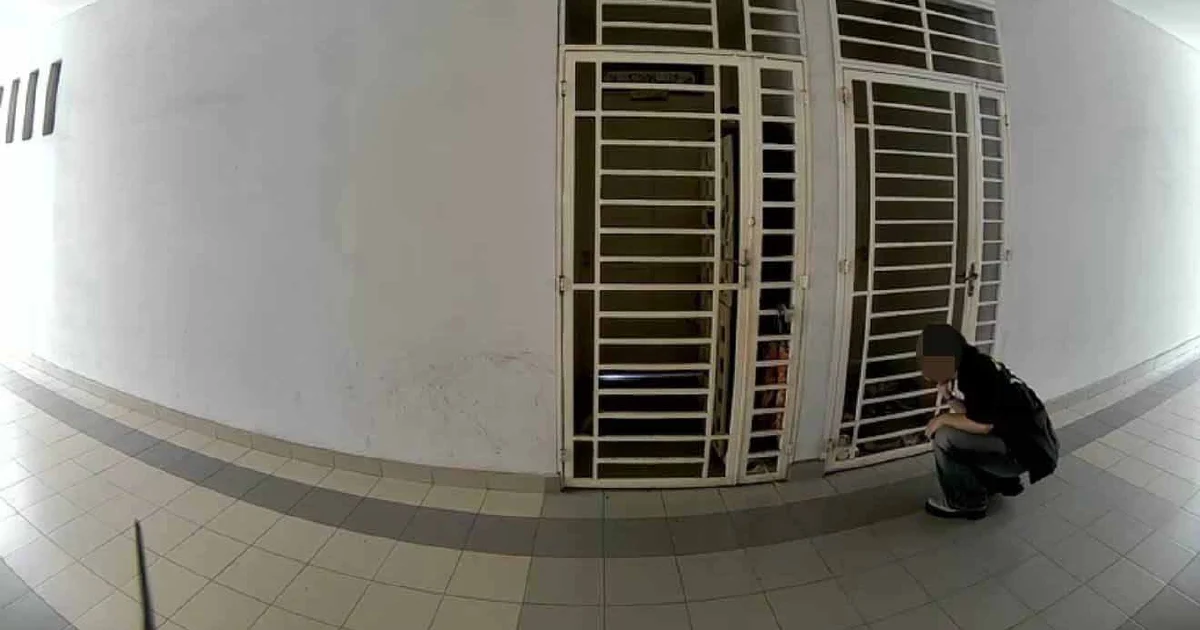
Police in Shah Alam have taken a student from a public university into custody on suspicion of stalking and harassing a fellow classmate, marking another incident that underscores persistent concerns about personal safety within Malaysian tertiary institutions. The alleged harassment is reported to have commenced in April and continued over several months before authorities intervened.
The case reflects a troubling pattern in Malaysian universities where students have increasingly become victims of unwanted contact and intrusive behaviour from peers. While comprehensive national data on campus harassment remains limited, reports from individual institutions and student advocacy groups suggest that such incidents occur with regular frequency, often going unreported due to victim reluctance or inadequate institutional support mechanisms.
The arrest in Shah Alam comes at a time when universities nationwide are under scrutiny for their handling of student conduct matters. Public universities typically maintain their own disciplinary procedures alongside the criminal justice system, creating dual pathways for addressing misconduct. This sometimes results in inconsistency in how cases are managed and resolved, and can leave victims uncertain about which channels to pursue for justice and protection.
Stalking and harassment involving students present particular challenges for law enforcement and university administrators. The ongoing nature of campus life—shared lectures, residences, and social spaces—creates circumstances where alleged offenders and victims may repeatedly encounter one another. This proximity can intensify the psychological impact on victims and complicate investigative efforts, as interactions occur within institutional rather than purely public spaces.
The timing of this arrest suggests that the victim or her associates took decisive action to report the matter to police rather than relying solely on university complaint procedures. This choice to escalate to criminal authorities indicates either dissatisfaction with institutional responses or a belief that the conduct had crossed thresholds warranting law enforcement intervention. Either interpretation raises questions about the effectiveness of existing university support systems for harassment victims.
Malaysian universities have gradually introduced policies addressing sexual harassment and discrimination, yet implementation and enforcement vary considerably across institutions. Some universities have appointed dedicated officers and established confidential reporting channels, while others maintain more traditional approaches that may prioritize institutional reputation over victim protection. The presence of police involvement in this case may encourage other victims to come forward, though cultural factors and concerns about academic consequences often deter reporting.
The alleged harassment spanning multiple months suggests the victim likely endured sustained distress before seeking intervention. Research on stalking behaviour indicates that prolonged unwanted contact produces significant psychological harm, including anxiety, depression, and reduced academic performance. For university students balancing educational demands with personal safety concerns, such harassment can severely compromise their ability to succeed academically and engage fully in campus life.
From a legal standpoint, Malaysian law provides frameworks for addressing harassment and stalking through the Penal Code and specific provisions relating to criminal intimidation and mischief. However, application of these provisions to university contexts sometimes faces complications regarding burden of proof and establishing the requisite intent, particularly when conduct involves digital communication or social media, where context and meaning can be disputed.
The arrest also signals police responsiveness to cases involving young adults, an encouraging development given that university populations have historically faced barriers when reporting interpersonal crimes. Police units in areas hosting major universities have increasingly developed expertise in handling student-related complaints, recognizing the distinct characteristics of campus environments and the particular vulnerabilities of the 18-25 age demographic.
Moving forward, this incident will likely prompt discussions within the affected university and potentially across the higher education sector regarding prevention, reporting, and response mechanisms. Best practice standards from international universities emphasise comprehensive education about respectful relationships, clear reporting pathways with adequate confidentiality protections, trauma-informed investigation procedures, and meaningful consequences for substantiated misconduct.
For the broader Malaysian university community, cases like this reinforce the necessity of maintaining vigilance around student welfare. Institutions must ensure that harassment prevention forms a core element of orientation programmes, that staff receive training in recognizing warning signs, and that support services for affected students remain adequately resourced and accessible. The intersection of criminal justice processes with university disciplinary procedures also requires clarification so that students understand their options and protections.
As the investigation proceeds, the case serves as a reminder that personal safety remains an ongoing concern within Malaysia's higher education landscape. Creating genuinely safe learning environments requires sustained commitment from institutional leadership, adequate funding for prevention and support services, and a cultural shift that prioritizes victim protection and accountability for perpetrators above institutional reputation management.

