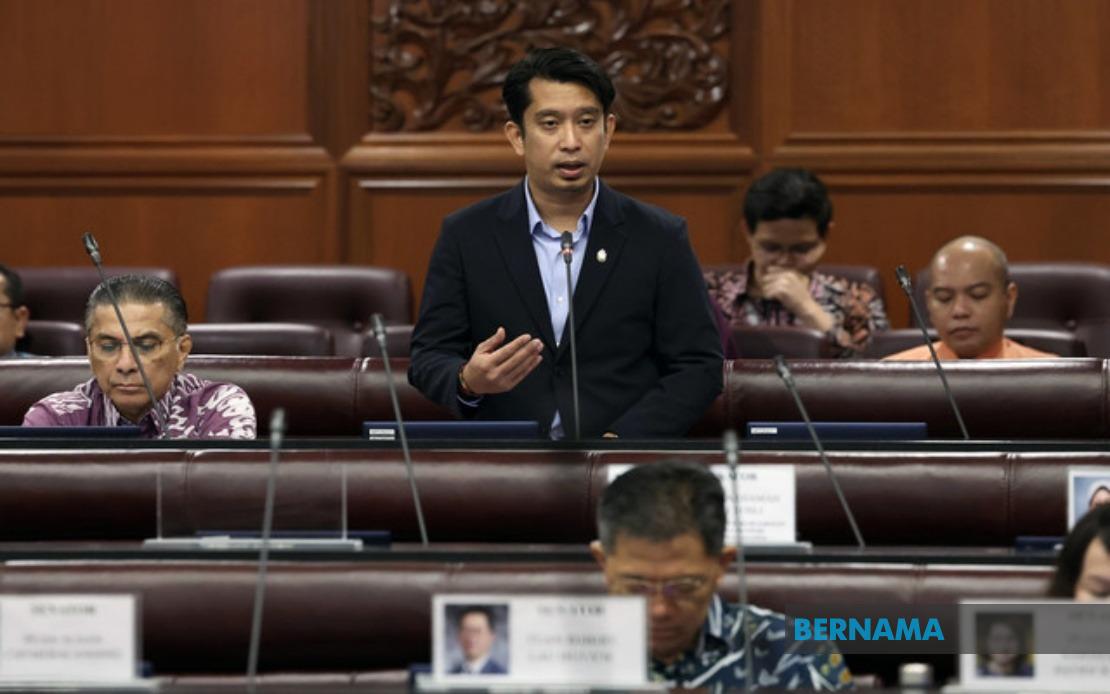
Malaysian universities possess the authority to withdraw students from industrial training placements and cancel assignments altogether if safety risks materialise, Deputy Higher Education Minister Adam Adli Abd Halim confirmed during a parliamentary session on August 4. The reassurance comes amid growing concerns about workplace safety standards for undergraduates, particularly following the death of a Universiti Putra Malaysia student who was killed while conducting maintenance work at the Saujana 1 water tower in Kuala Selangor on June 16.
Adam Adli elaborated that such interventions may be implemented either following institutional risk assessments or in response to reports submitted by students themselves indicating an urgent need for protective action. The government acknowledges that accidents involving student trainees represent a serious concern for the higher education sector, he explained, underscoring the ministry's commitment to strengthening oversight frameworks and enhancing communication channels through which incidents can be documented and addressed.
The policy framework places significant responsibility on universities to conduct rigorous preliminary evaluations of organisations offering internship positions. Institutions must now examine prospective employers' safety records, historical incident documentation, and market reputation before approving placements. This heightened due diligence is intended to filter out companies with problematic safety cultures or inadequate protective infrastructure before students enter their workplaces.
Industries classified as high-risk face particularly stringent requirements. Students can only be assigned to organisations within these sectors if the companies meet government-prescribed safety standards and operate documented safety management systems. This tiered approach recognises that certain industries—such as construction, manufacturing, and utilities—inherently expose workers to greater hazards than others and therefore demand demonstrable commitment to protective measures.
Pre-placement preparation has also been strengthened. All students entering high-risk work environments must complete relevant safety certification courses or obtain approved credentials before commencing their assignments. Additionally, regardless of sector, every trainee must participate in comprehensive safety orientation sessions covering workplace hazards, risk identification procedures, proper use of protective equipment, emergency evacuation protocols, and procedures for reporting incidents or near-misses to supervisors and authorities.
Ongoing monitoring throughout the training period operates through dual oversight involving both academic supervisors from the university and industry mentors at the workplace. These supervisors maintain regular contact with students through scheduled site visits—conducted either in person or remotely—and review progress documentation. Periodic communication ensures that any emerging concerns can be identified and addressed before situations escalate into accidents or serious injuries.
The financial protection framework has also been formalised. All industrial training students operate under coverage provided by the University Group Insurance Scheme, which delivers compensation to trainees who suffer accidents or other harmful incidents during their placement periods. This safety net provides some reassurance to students and families, though it does not eliminate the imperative for prevention-focused measures.
The initiative reflects broader recognition that industrial training—while valuable for developing practical skills and understanding professional environments—carries genuine occupational hazards that institutions and employers must manage seriously. The UPM fatality serves as a sobering reminder that student trainees, despite their educational status, can face the same workplace dangers confronting permanent employees and contract workers. Many students may lack the experience to recognise hazards, assess risks accurately, or advocate effectively for their own safety in hierarchical workplace environments.
For Malaysian universities and their partner organisations, the new expectations require investment in safety culture and compliance infrastructure. Smaller companies or those in resource-constrained sectors may find these requirements demanding, potentially reducing the pool of available placements. However, the intent is to ensure that economic benefits of student labour do not come at the expense of their physical wellbeing.
Senator Che Alias Hamid's parliamentary question that prompted this clarification reflects heightened scrutiny from lawmakers regarding the government's protective obligations toward vulnerable student populations. This political attention likely signals that further legislative or regulatory tightening could follow if safety incidents continue or if universities are perceived as insufficiently rigorous in their screening processes.
The Southeast Asian context adds another dimension to these safety considerations. Rapid industrialisation across the region has sometimes prioritised economic growth over occupational health and safety, and Malaysia's approach to student protection may influence standards in neighbouring countries. As universities increasingly compete regionally for research partnerships and student mobility, safety reputation becomes a factor in institutional prestige and international collaboration.
Moving forward, the effectiveness of these measures will depend heavily on implementation consistency across Malaysia's diverse university system. Institutions with strong risk management cultures and adequate resources should readily meet the new standards, while others may struggle with assessment procedures and documentation requirements. Regular audits by the Ministry of Higher Education will likely become necessary to ensure compliance and prevent institutional corner-cutting driven by competitive pressures to maintain placement numbers.

