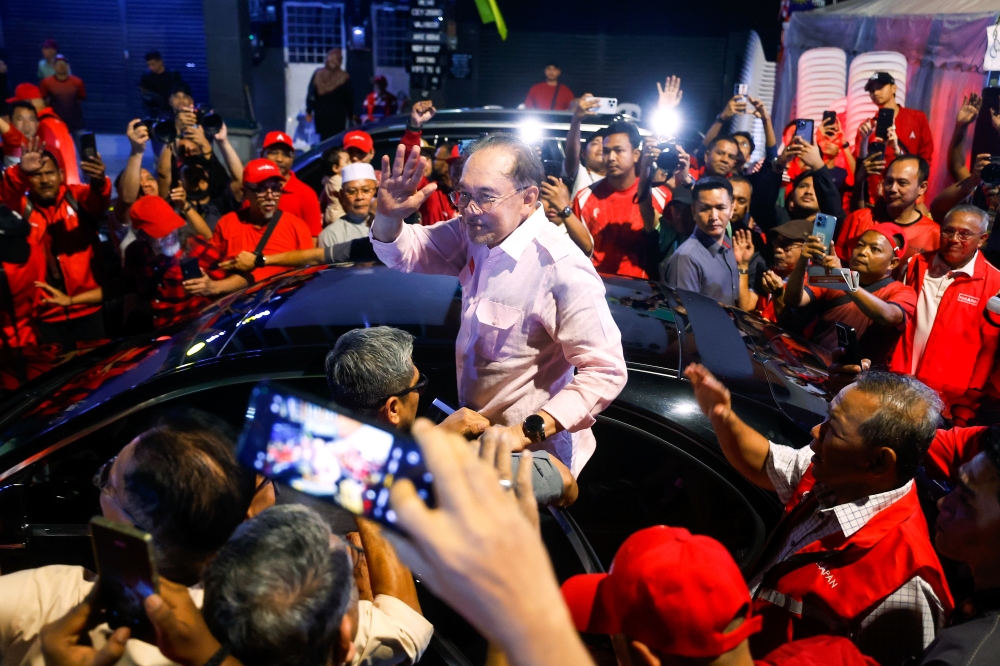
Prime Minister Datuk Seri Anwar Ibrahim moved to quell speculation about the durability of Malaysia's ruling coalition during remarks made in Seremban on July 23, publicly stating that the unity government has consolidated its position and maintained its operational strength. Speaking to media, the premier underscored that the government's foundational structure remained intact despite the inevitable frictions that accompany any multi-party arrangement, a message clearly aimed at reassuring investors and citizens alike about the continuity of governance.
The timing of Anwar's statement carries weight given the persistent scrutiny directed at the coalition since its formation following the 2022 general election. Malaysia's unity government comprises parties spanning ideological spectrums that do not naturally align, requiring constant negotiation and compromise to function. This structural complexity has periodically fuelled speculation about potential fractures, particularly when individual parties pursue agenda items that diverge from the overall coalition strategy. By reiterating stability at the highest level, Anwar sought to signal that such tensions remain manageable and do not threaten the government's fundamental cohesion.
Regarding economic performance, the Prime Minister projected confidence in Malaysia's macroeconomic trajectory, indicating that fundamental indicators remain robust despite global headwinds. The assertion comes as Malaysia faces pressure from various external factors, including lingering uncertainty in global trade patterns, energy market volatility, and regional competition for foreign direct investment. Anwar's confidence reflects official government data showing that major economic sectors have demonstrated resilience, though the coming months will test whether this optimism proves justified amid potential shifts in global conditions.
The economic emphasis in Anwar's message addresses a core concern for ordinary Malaysians, whose household finances have come under strain from rising living costs. Food inflation, housing expenses, and utility bills have dominated public discourse, and perceptions of government economic competence directly influence political legitimacy. By projecting stability on this front, Anwar attempted to counter narratives of economic mismanagement and position the government as a steady steward through turbulent times. This framing becomes particularly important as the administration prepares major policy announcements and budgetary decisions.
From a coalition management perspective, Anwar's public statement serves multiple purposes simultaneously. It reinforces internal discipline among coalition members by signalling the top leadership's determination to maintain unity, potentially discouraging backbench dissension or public posturing by individual parties seeking to differentiate themselves. Simultaneously, it presents a united front to the opposition, which has consistently sought to exploit perceived weaknesses within the government structure. The message essentially warns potential defectors that the architecture remains solid enough to outlast individual political manoeuvres.
The Seremban setting itself merits consideration, as Negeri Sembilan represents an important swing state in Malaysian politics. The choice to make these reassurances in this location suggests deliberate political strategy, signalling confidence in holding support across the nation and particularly in constituencies where the coalition faces competitive pressures. Regional governments, especially in crucial states, significantly influence the overall political environment and can amplify or diminish concerns about federal stability.
Anwar's economic confidence extends beyond mere public relations into substantive policy implications. If the government genuinely believes the economy remains on solid footing, this orientation will influence budget allocations, investment priorities, and regulatory decisions in the coming months. Conversely, if economic anxieties privately exceed public pronouncements, the gap between rhetoric and policy could eventually become apparent, potentially damaging government credibility. Malaysian voters have demonstrated increasing sophistication in detecting disconnects between official messaging and lived economic realities.
The statement also reflects positioning ahead of potential political calendar events. While not explicitly stated, the government's emphasis on stability and economic performance anticipates future electoral cycles and competition for public confidence. By establishing this narrative now, Anwar creates baseline expectations against which future performance will be measured. Should economic conditions deteriorate or coalition tensions escalate, the government will face questions about why initial assurances proved premature or inaccurate.
Regionally, Malaysia's economic and political stability carries implications beyond its borders. As a major Southeast Asian economy and a country perceived as politically moderate relative to some neighbours, Malaysian stability influences investor confidence across the region. Perception of Malaysian government durability affects capital flows and business confidence throughout Asean, making Anwar's reassurances relevant not only domestically but also internationally. This broader significance explains why such statements receive careful attention from foreign observers monitoring regional developments.
The sustainability of Malaysia's unity government ultimately depends on whether coalition partners perceive mutual benefit in continued cooperation. As long as the arrangement delivers electoral advantages, policy influence, or other tangible benefits to component parties, it will likely persist despite periodic strains. Anwar's insistence on stability serves notice that the government leadership believes these conditions will continue to prevail, at least in the medium term. The credibility of this assessment will become clearer as Malaysia navigates upcoming economic and political challenges.

