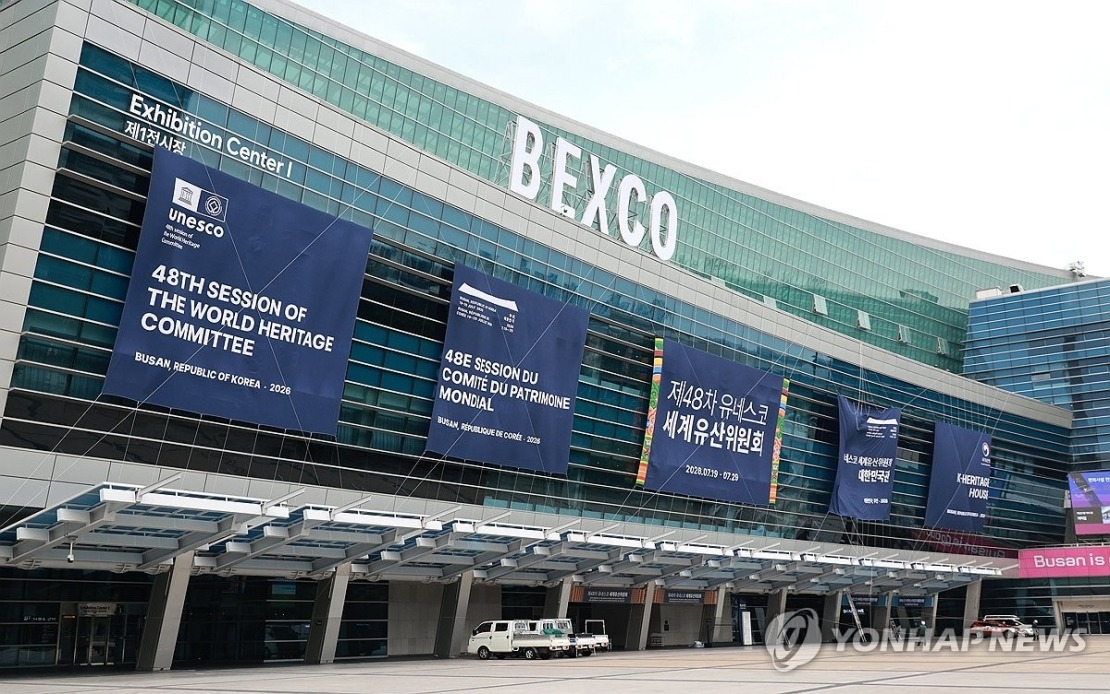
The port city of Busan is set to welcome thousands of international delegates this week as the UNESCO World Heritage Committee opens its annual gathering, marking a significant diplomatic occasion for South Korea and underscoring the nation's growing prominence in global heritage preservation efforts. The ten-day meeting, commencing on Sunday at the Busan Exhibition and Convention Centre, will bring together approximately 3,000 participants representing the UNESCO membership of 196 states, alongside representatives from international organisations and civil society groups. The venue, located roughly 330 kilometres southeast of Seoul, has been selected to accommodate what amounts to one of the calendar year's most significant assemblies dedicated to cultural and natural heritage protection worldwide.
This represents a watershed moment for South Korea, which formally acceded to the UNESCO World Heritage Convention in 1988 but had never previously played host to the committee's annual session. The decision to hold proceedings in Busan reflects both the country's enhanced diplomatic standing within the international heritage community and growing recognition of its stewardship over numerous world-class cultural and natural sites. For Southeast Asian nations, particularly Malaysia, the convening offers an opportunity to observe how peer countries navigate the complexities of heritage management on the global stage and to participate in discussions that shape international preservation standards.
The gathering will be attended by several senior UNESCO figures, including Director-General Khaled El-Enany, Assistant Director-General for Culture Nayef Al-Fayez, and Lazare Eloundou Assomo, who heads the World Heritage Centre. Their presence signals the institutional weight attached to the session and the seriousness with which UNESCO treats its annual deliberations. These senior officials will oversee proceedings that fundamentally shape how the world's most culturally and naturally significant sites are designated, monitored, and protected against degradation or mismanagement.
As the primary decision-making apparatus within UNESCO's heritage framework, the committee undertakes several critical functions that reverberate across the global conservation landscape. The body reviews nominations submitted by member states seeking to inscribe new properties on the World Heritage List, a designation that carries immense prestige and typically generates increased international funding and visitor interest. Beyond the immediate gratification of inscription, the committee's decisions establish precedents that influence how future nominations are evaluated, effectively shaping what the international community considers worthy of world heritage status. This process carries particular significance for developing nations, where World Heritage designation can catalyse investment in infrastructure, tourism, and local community development.
The committee also conducts regular assessments of properties already inscribed on the World Heritage List, monitoring whether these sites maintain the outstanding universal value that merited their original designation. This oversight mechanism has grown increasingly important as climate change, urban development, conflict, and inadequate funding threaten heritage properties across every continent. During this Busan session, the committee will examine the conservation trajectories of numerous sites and may recommend interventions ranging from technical assistance to the listing of properties on the In Danger register, a designation that mobilises international resources but also carries reputational implications for the host nations responsible for stewardship.
Beyond the technical assessments and nomination reviews, the annual session provides a forum for member states to debate broader policy questions surrounding the World Heritage Convention itself. These conversations have grown more contentious in recent years as developing nations, particularly those in Africa and the Asia-Pacific region, have questioned whether the World Heritage List adequately represents their cultural achievements and natural patrimony. Malaysia, as a Southeast Asian participant in these discussions, has an interest in ensuring that the criteria for heritage designation reflect the region's distinctive contributions to human civilisation and environmental conservation, rather than perpetuating historical biases toward European and East Asian sites.
The Busan session also represents a moment for Malaysia and other regional neighbours to advance their own heritage agendas on the international stage. With sites such as Taman Negara, the Petronas Twin Towers, and various Islamic heritage properties of considerable significance, Malaysian officials attending the committee may utilise the gathering to build coalitions supporting future nominations or to influence emerging conservation standards that could benefit the nation's heritage properties. The networking opportunities inherent in such large diplomatic assemblies often prove as valuable as the formal proceedings themselves.
Climatic pressures have emerged as an increasingly central concern within the World Heritage Committee's work. Rising sea levels threaten properties including Venice and other low-lying cultural sites, whilst unpredictable rainfall and temperature fluctuations compromise ecosystems that form the basis of natural heritage designations across tropical regions including Southeast Asia. The committee's deliberations in Busan will likely examine how UNESCO can better support member states in adapting their heritage preservation strategies to environmental realities shaped by climate change, an issue of paramount relevance to Malaysia and other nations in the region.
The convening of the committee in South Korea also reflects shifting geopolitical dynamics within international institutions. For decades, UNESCO bodies have predominantly met in Western European cities, a pattern that shaped both the geographical focus of heritage discussions and the practical ability of developing nations to participate fully. By rotating the annual session to different regions, UNESCO signals commitment to geographic equity and creates opportunities for host nations to showcase their heritage preservation achievements to the global community. South Korea, which has invested substantially in heritage conservation and cultural diplomacy, stands to benefit significantly from this platform.
Looking forward, Malaysian policymakers and heritage professionals would be well advised to monitor the outcomes of the Busan session closely. Decisions made regarding heritage criteria, conservation funding mechanisms, and responses to environmental threats will shape the landscape in which Malaysia's own heritage preservation efforts operate. Moreover, understanding how other Asian nations position themselves within these international frameworks provides valuable insight into competitive dynamics that may influence future inscription decisions and resource allocation. The ten days in Busan will generate precedents and policy directions that will reverberate through the conservation community for years to come.

