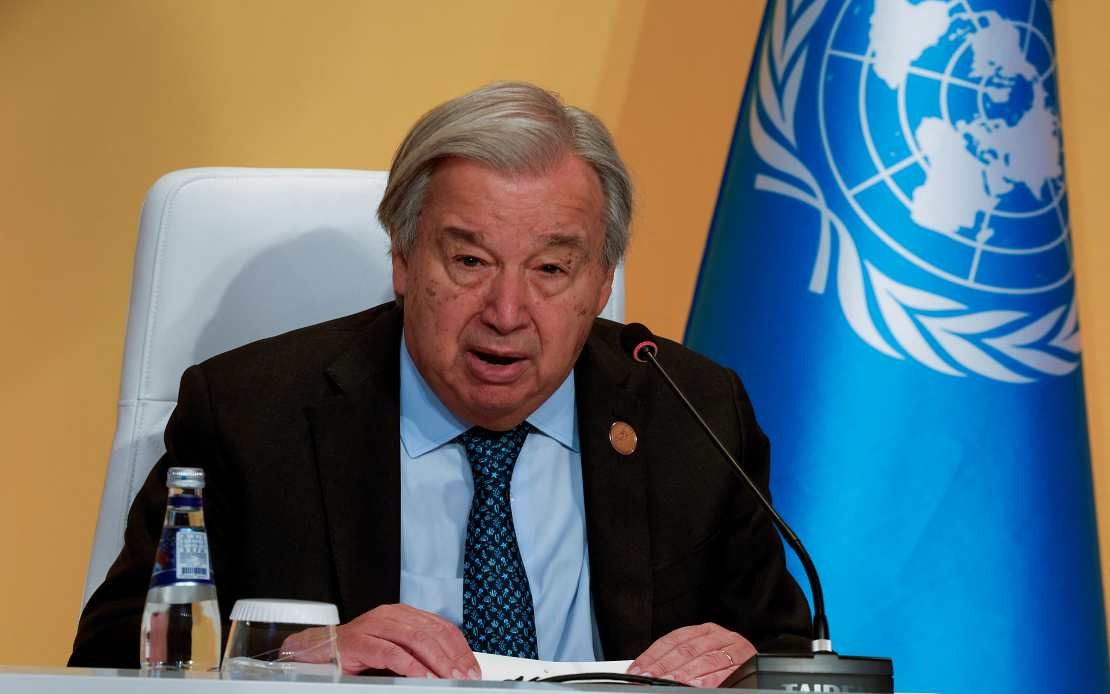
The United Nations has sounded an alarm over rapidly deteriorating security conditions in the Gulf region, with Secretary-General Antonio Guterres warning that ongoing military confrontations risk triggering catastrophic consequences for both the Middle East and the wider world. Speaking through his spokesperson Stephane Dujarric, Guterres outlined deep apprehension regarding a pattern of hostile actions that includes Iranian attacks on commercial shipping transiting the Strait of Hormuz, retaliatory strikes by the United States against Iranian targets, and Iranian military operations directed at neighbouring states. The escalating cycle of provocations underscores a critical breakdown in diplomatic channels between two major regional powers whose actions increasingly threaten international stability.
The Secretary-General's statement represents a significant escalation in UN messaging, moving beyond routine diplomatic concern to articulate specific consequences of continued hostilities. The language employed—describing potential outcomes as "catastrophic"—signals that senior international figures now view the situation as approaching a critical threshold where miscalculation could trigger broader regional conflict. This framing carries particular weight given the UN's traditional preference for measured, cautious language when addressing major power relations. The emphasis reflects genuine alarm within the international community that without immediate intervention, the current trajectory could fundamentally alter geopolitical dynamics across the Middle East.
At the heart of this crisis lies the Strait of Hormuz, one of the world's most strategically vital maritime chokepoints. Approximately one-third of all seaborne traded oil passes through these narrow waters, making freedom of navigation there essential to global economic stability. When Iranian actions target commercial vessels in the strait, the implications extend far beyond bilateral tensions between Tehran and Washington. The disruption of shipping through this corridor carries direct consequences for energy security globally, affecting prices and supply chains that reach Southeast Asian economies dependent on Gulf oil and refined products. Malaysia, as a regional energy consumer and major trading nation, faces indirect but real economic exposure to any sustained disruption of Gulf shipping routes.
The United States response to Iranian actions has itself contributed to the escalatory spiral that now concerns the UN. American military strikes against Iranian targets represent a deliberate decision to match Iranian aggression through direct military action rather than diplomatic channels. This tit-for-tat dynamic illustrates how quickly regional tensions can spiral when both sides view military responses as justified retaliation. The Secretary-General's call for both parties to "exercise maximum restraint" implicitly acknowledges that current approaches are counterproductive and that conventional security responses risk deepening rather than resolving the underlying dispute. The emphasis on avoiding "further escalatory action" suggests UN officials fear that another cycle of attacks and counterattacks could trigger a major conflict.
Guterres has specifically urged Iran and the United States to resume negotiations and address their outstanding disagreements through diplomatic means. This recommendation, while seemingly obvious, carries significance given the current diplomatic vacuum between the two nations. The breakdown of formal negotiating channels means that communication occurs primarily through military signals—a dangerous precedent where actions rather than words determine policy responses. The UN chief's emphasis on urgency reflects concern that delayed diplomatic action risks missing a critical window for de-escalation. Once military escalation reaches certain thresholds, the politics of both sides often make diplomatic reversal increasingly difficult, as domestic audiences become invested in tougher stances.
The broader regional context amplifies concerns about this situation spiralling beyond current parameters. Iran's attacks on neighbouring countries mentioned in the UN statement extend the potential conflict zone beyond the US-Iran bilateral relationship. If neighbouring states become direct targets or become drawn into the confrontation as allies of either side, the situation transforms from a manageable bilateral dispute into a broader regional war with unpredictable consequences. Many Gulf states maintain complex relationships with both the United States and Iran, creating the possibility that they could be forced to choose sides in ways that undermine regional stability and their own security interests.
From a Southeast Asian perspective, the deterioration in Gulf security carries multiple implications. Beyond energy security concerns, regional maritime trade routes connecting Asia to European and African markets depend on stable conditions throughout the Indian Ocean and Persian Gulf. Any major conflict in the Gulf would inevitably disrupt these critical shipping corridors. Additionally, Southeast Asian nations maintain relationships with both the United States and Iran, and they have interests in maintaining a stable international order. Geopolitical realignment resulting from a major US-Iran conflict could force regional countries to navigate more difficult diplomatic and strategic terrain.
The UN's concern regarding the catastrophic consequences of full-scale hostilities reflects realistic assessment of potential outcomes. A major conflict between the United States and Iran would impose enormous humanitarian costs on the Iranian people, destabilize the entire Middle Eastern region, and trigger global economic disruption. Oil prices would likely spike dramatically, affecting every economy dependent on energy imports. The reconstruction costs and regional displacement would create humanitarian crises affecting millions. The message being conveyed through Guterres is that the international community views such an outcome as genuinely catastrophic and intolerable, requiring all parties to step back from the current trajectory.
The Secretary-General's emphasis on restoring full freedom of navigation in the Strait of Hormuz addresses a specific practical concern that bridges economic and security interests. Commercial shipping in the strait has faced genuine risks from both Iranian actions and the heightened military presence of multiple naval forces patrolling the waters. Establishing guaranteed safe passage requires both military de-escalation and confidence-building measures that would reassure shipping companies and oil markets. The restoration of normal commercial conditions would signal genuine progress toward resolving the underlying conflict.
Moving forward, the effectiveness of the UN's appeal depends on whether either side views continued escalation as more costly than diplomatic compromise. The Secretary-General's statement attempts to frame escalation as inherently dangerous and self-defeating, while positioning diplomatic resolution as the rational alternative. Whether this messaging resonates depends on domestic political calculations within both the United States and Iran, where leaders face domestic constituencies with strong views on how to handle the bilateral relationship. International pressure, while valuable, often proves insufficient when internal politics drive national security decisions.

