The United Nations' top diplomat has moved swiftly to address mounting military tensions across the Persian Gulf, with Secretary-General Antonio Guterres calling for an immediate cessation of hostilities and a return to the negotiating table between Iran and the United States. Speaking through his office in Istanbul on Sunday, Guterres expressed grave concern about the trajectory of recent events, signalling that the international body views the current trajectory as a critical juncture that demands urgent diplomatic intervention before miscalculation or further escalation makes conflict resolution exponentially more difficult.
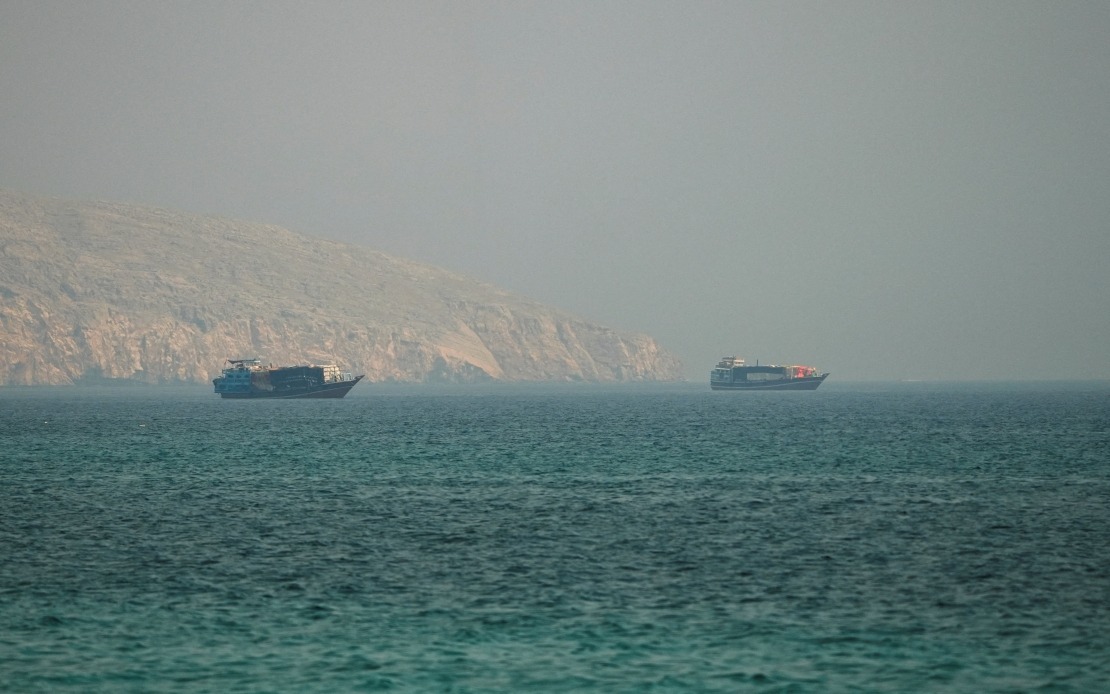
The Secretary-General's statement, conveyed by spokesperson Stephane Dujarric, specifically addressed a cascade of recent military incidents that have heightened regional instability. These include Iranian attacks on commercial vessels transiting the Strait of Hormuz, direct American military strikes targeting Iranian interests, and separate Iranian operations against military installations in neighbouring states. The cumulative effect of these tit-for-tat actions has created a dangerous cycle of retaliation and counter-retaliation, with each side viewing the other's actions as justification for further escalation rather than as a signal for dialogue.
Guterres has implored all regional and international actors to exercise what he termed "maximum restraint," recognising that the current environment leaves little room for misunderstandings or miscalculations. The plea for restraint goes beyond rhetoric; it reflects genuine concern within UN circles that the current pattern of military exchanges could spiral into a wider conflict if neither side signals willingness to step back from the brink. This concern is particularly acute given the complexity of the region's geopolitical landscape, where multiple state and non-state actors have competing interests.
Crucially, the UN chief has underscored the potential for what he characterised as "catastrophic consequences" should full-scale hostilities resume. This assessment encompasses multiple dimensions of impact. Economically, disruption to shipping through the Strait of Hormuz—one of the world's most critical energy chokepoints—would immediately drive up global oil prices and destabilise economies worldwide, with particularly severe repercussions for energy-importing nations in Southeast Asia and beyond. The resulting inflation, reduced investment flows, and supply chain disruptions would reverberate far beyond the Middle East.
Beyond economic calculations, Guterres has pointed to the humanitarian catastrophe that would inevitably accompany expanded warfare. The civilian populations in Iran, neighbouring countries, and potentially among international personnel operating in the region face the prospect of suffering as collateral damage. Such a scenario would create new refugee crises, strain humanitarian resources, and potentially draw in additional powers whose involvement would further complicate peace-making efforts.
For maritime commerce and international peace more broadly, the Secretary-General has stressed that freedom of navigation through the Strait of Hormuz must be restored and secured. This waterway carries roughly one-fifth of globally traded petroleum, making its safety a matter of genuine international concern. Recent incidents involving allegedly Iranian-backed attacks on shipping have already prompted increased naval patrols, higher insurance costs, and anxiety among commercial shipping operators, further destabilising what should be an essential artery of global trade.
The UN position reflects a broader diplomatic consensus that the current impasse between Tehran and Washington cannot be resolved through military means, despite the apparent confidence some policymakers place in coercive strategies. Guterres has specifically urged both Iran and the United States to return urgently to the negotiating framework, suggesting that direct dialogue remains the most viable pathway to addressing the underlying issues that have driven recent escalations. This call implicitly acknowledges that the issues dividing these two powers are substantive and require patient diplomatic engagement rather than battlefield resolution.
For Southeast Asian nations including Malaysia, the stakes in this dispute extend well beyond regional politics. The region's economies depend heavily on stable energy supplies and uninterrupted sea lanes for their prosperity. Any significant disruption to shipping through the Strait of Hormuz would directly impact fuel prices, manufacturing costs, and export competitiveness. Additionally, any broader regional conflict could strain existing security partnerships and force smaller nations into uncomfortable geopolitical choices.
Guterres's intervention represents the international community's attempt to prevent a dangerous situation from deteriorating further. While UN Secretary-Generals often issue similar appeals during regional crises, the urgency and specificity of this statement suggests that UN assessments of the current situation's volatility have reached concerning levels. The fact that the statement was issued through formal channels and addressed to both parties indicates a structured diplomatic effort to establish de-escalation frameworks before events move beyond the point where negotiated settlement becomes possible.
The fundamental challenge facing mediators lies in creating conditions where both Iran and the United States perceive negotiation as preferable to continued military posturing. This requires acknowledging each side's security concerns while building confidence through verifiable measures and international oversight. Without such structures, reciprocal accusations and perpetual suspicion will continue driving the cycle of escalation that now characterises the relationship.

