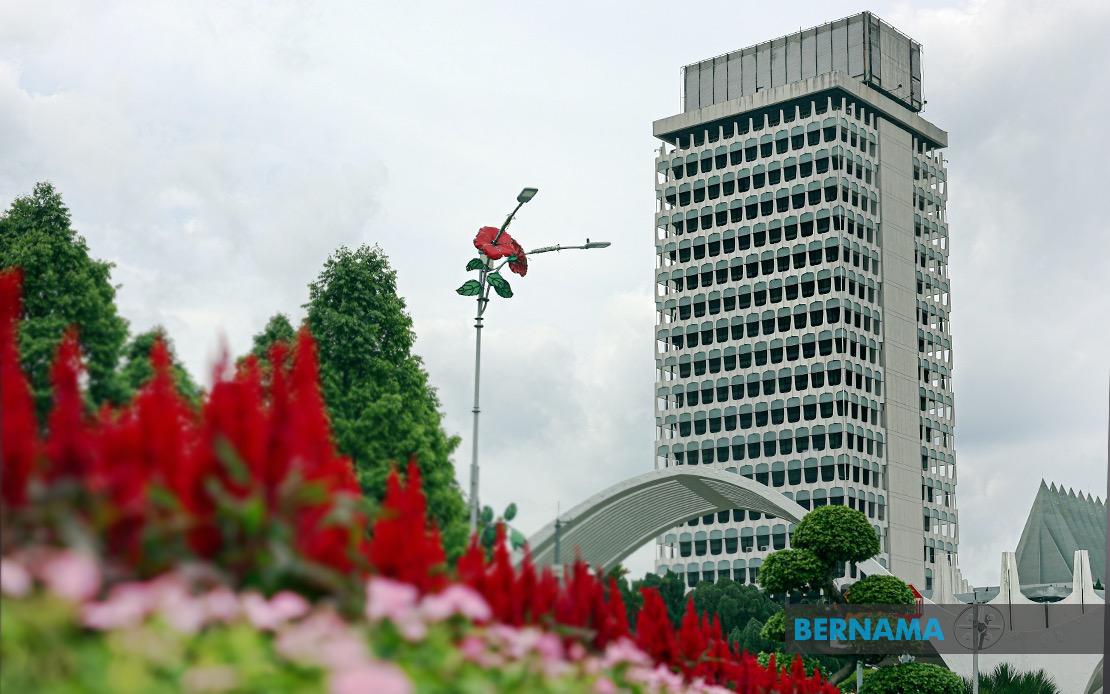
Parliament reconvenes this week with three substantive policy areas dominating the legislative agenda: fundamental questions about Malaysia's influence within a flawed global governance architecture, domestic food system resilience amid economic headwinds, and the country's strategic positioning in emerging energy sectors. The 16-day sitting, which began on July 13, reflects the government's preoccupation with both international standing and the practical vulnerabilities that could affect Malaysian citizens in the near term.
Malaysia's frustration with the United Nations Security Council's structural inequities will feature prominently when Datuk Seri Sh Mohmed Puzi Sh Ali raises the issue with the Foreign Minister. The BN parliamentarian from Pekan seeks clarity on how Malaysia plans to mobilise support for meaningful UNSC reform—specifically addressing the disproportionate power wielded by permanent members through their veto rights. This question arrives at a moment when regional conflicts and global instability have underscored the paralysis that grips the Security Council when major powers disagree. For Malaysia, a middle-income nation with substantial interests in maritime security, trade routes, and regional stability, the current structure means that Malaysian concerns can be sidelined by the calculus of distant superpowers. The government's response will reveal whether Kuala Lumpur intends to champion this cause actively within multilateral forums or merely acknowledge the problem rhetorically.
The food security inquiry from Shaharizukirnain Abd Kadir signals genuine anxiety about Malaysia's agricultural vulnerabilities. With global supply chains strained by the West Asia crisis and input costs climbing, domestic food production has become a matter of strategic importance rather than mere economic efficiency. The PN parliamentarian for Setiu will press the Agriculture and Food Security Minister on whether the government has formulated a genuinely comprehensive contingency plan or merely routine responses. The effectiveness of incentive schemes for food-producing states—particularly those with genuine potential to expand output—requires scrutiny, as does the government's honesty about how far Malaysia can realistically reduce its food import dependency given land constraints and climatic limitations. This issue resonates across Southeast Asia, where nations similarly struggle with food inflation and import vulnerability, making Malaysia's policy choices potentially influential for regional food security strategy.
Defence self-sufficiency emerges as a related but distinct vulnerability when Datuk Awang Hashim questions the Defence Minister about Malaysian Armed Forces reliance on foreign suppliers. The Pendang parliamentarian's concern touches on a dimension of national security often overlooked in public discourse: the risk that Malaysia's military capabilities could be compromised by supply disruptions, delivery delays, or contract cancellations orchestrated by foreign powers or disrupted by logistical failures. This reflects broader anxieties across the region about overdependence on distant suppliers for critical defence systems, particularly as geopolitical tensions rise. The government's answer will indicate whether Malaysia is genuinely exploring domestic defence manufacturing or merely managing imported systems—a distinction with significant implications for long-term strategic autonomy.
Sarawak's aspirations to become Southeast Asia's green hydrogen hub received a parliamentary platform when Rodiyah Sapiee raised the matter with the Science, Technology and Innovation Minister. The GPS representative from Batang Sadong framed the question around coordination between federal energy policy and Sarawak's development strategy, highlighting a perpetual tension in Malaysian federalism. Green hydrogen production requires abundant renewable energy, access to which Sarawak possesses through hydroelectric capacity and potential offshore wind development. However, translating this endowment into regional industrial leadership demands coherent national policy backing and coordinated state-federal cooperation. The government's response will signal whether it truly prioritises green hydrogen as a post-petroleum economic diversification strategy or treats it as a secondary aspiration.
The legislative programme reflects substantive work ahead beyond parliamentary questions. Seven government bills will proceed to first reading, including significant measures such as the Communications and Multimedia (Amendment) Bill 2026 and the Malaysian Communications and Multimedia Commission (Amendment) Bill 2026. These amendments may address evolving regulatory requirements in digital communications, though their specific content shapes how Malaysia manages digital economy governance. The Social Work Profession Bill 2026 signals government attention to professionalising social work—an area increasingly important as Malaysia's demographic structure shifts and social support demands intensify.
Parallel to these fresh legislative proposals, Parliament will resume deliberation on the Control of Paddy and Rice (Amendment) Bill 2026, a measure directly connected to the food security concerns raised elsewhere in the week's proceedings. The interconnection between domestic rice security, farmer support, supply chain resilience, and food price stability makes this legislation more than routine agricultural policy—it anchors Malaysia's approach to food sovereignty. The amendments under debate will reveal whether the government has adopted structural reforms to strengthen the rice sector or merely adjusted existing frameworks at the margins.
The convergence of these issues illustrates Malaysia's multifaceted challenge: navigating great power competition while securing basic necessities for its population and building sustainable economic foundations. Each question and bill, individually, addresses a specific policy domain; collectively, they sketch the government's worldview and priorities. For Malaysia, balancing UN reform advocacy with pragmatic engagement in a flawed system, championing food security while respecting market dynamics, and positioning as a green energy leader while depending on foreign defence suppliers represents the complex calculus of statecraft for a nation of Malaysia's scale and region.

